Crypto Exchange Safety: How to Avoid Scams and Protect Your Funds
When you're trading crypto, crypto exchange safety, the practice of choosing platforms that protect your assets from theft, fraud, and failure. Also known as crypto platform security, it's not optional—it's the first rule of surviving in this space. Most people think it’s about two-factor authentication or strong passwords. But those are just the basics. The real danger isn’t hackers breaking in—it’s exchanges that vanish overnight, fake platforms that look real, or services that claim to be regulated but aren’t.
regulated crypto exchange, a platform that follows official financial rules set by governments or agencies like the EU’s MiCA or U.S. state regulators. Also known as licensed crypto platform, it’s the only kind you should trust with more than pocket change. Look at BiKing or Sistemkoin—both claimed to be serious exchanges. One lost $8 million in stolen funds. The other stopped being tracked by CoinMarketCap in 2019 and still has users screaming about withdrawals that never arrive. Meanwhile, platforms like Coinbase and Kraken operate under clear legal frameworks. They don’t just say they’re safe—they prove it with audits, insurance, and compliance teams.
crypto exchange scams, fraudulent platforms designed to trick users into depositing funds that are never returned. Also known as rug pull exchanges, they often mimic real sites with fake reviews, cloned logos, and promises of high returns. You’ll see them pop up after big news—like a new airdrop or a trending coin. They’ll ask you to connect your wallet, send a small amount first to "verify," then disappear. The QBT airdrop from 2021? Real. But dozens of fake sites claiming to distribute it? Total traps. Same with Moonbase Alpha—people thought it was an exchange. It’s a testnet. No real funds. No withdrawals. Just confusion and lost money.
Security isn’t just about the platform. It’s about what you do after you sign up. Did you enable withdrawal addresses? Do you know if the exchange holds your keys—or if you do? If you’re storing more than a few hundred dollars, cold storage is your friend. Exchanges like Shadow Exchange v2 and Orion Protocol offer DeFi access, but they’re not banks. They’re software. And software breaks. Or gets hacked. Or gets shut down by regulators.
That’s why crypto exchange safety isn’t about finding the one with the lowest fees or the fanciest UI. It’s about asking: Do they have a track record? Are they transparent? Do they answer questions? Have they been audited by real firms—not just a freelance developer’s blog post? The EU’s MiCA regulation now forces exchanges to prove they’re not just another gambling site. That’s progress. But it doesn’t cover every country. And it doesn’t stop scammers from setting up shop in places with no rules.
Below, you’ll find real reviews of exchanges—some safe, some dangerous. You’ll see how a single mistake cost users thousands. You’ll learn what "regulated" actually means in practice, and why a platform that says it’s "for Indian users" might still be illegal. You’ll also see which exchanges have been flagged for withdrawal issues, fake volume, or zero customer support. This isn’t theory. These are names, dates, and losses people have already lived through. Don’t be the next one.
OKX Ordinals Crypto Exchange Review: Features, Fees, and Safety Analysis for 2026

An in-depth 2026 review of OKX exchange focusing on Bitcoin Ordinals support, trading fees, security, and global accessibility for crypto traders.
- April 1 2026
- Terri DeLange
- 11 Comments
Wavelength Crypto Exchange Review: Is It Legit or a Red Flag?
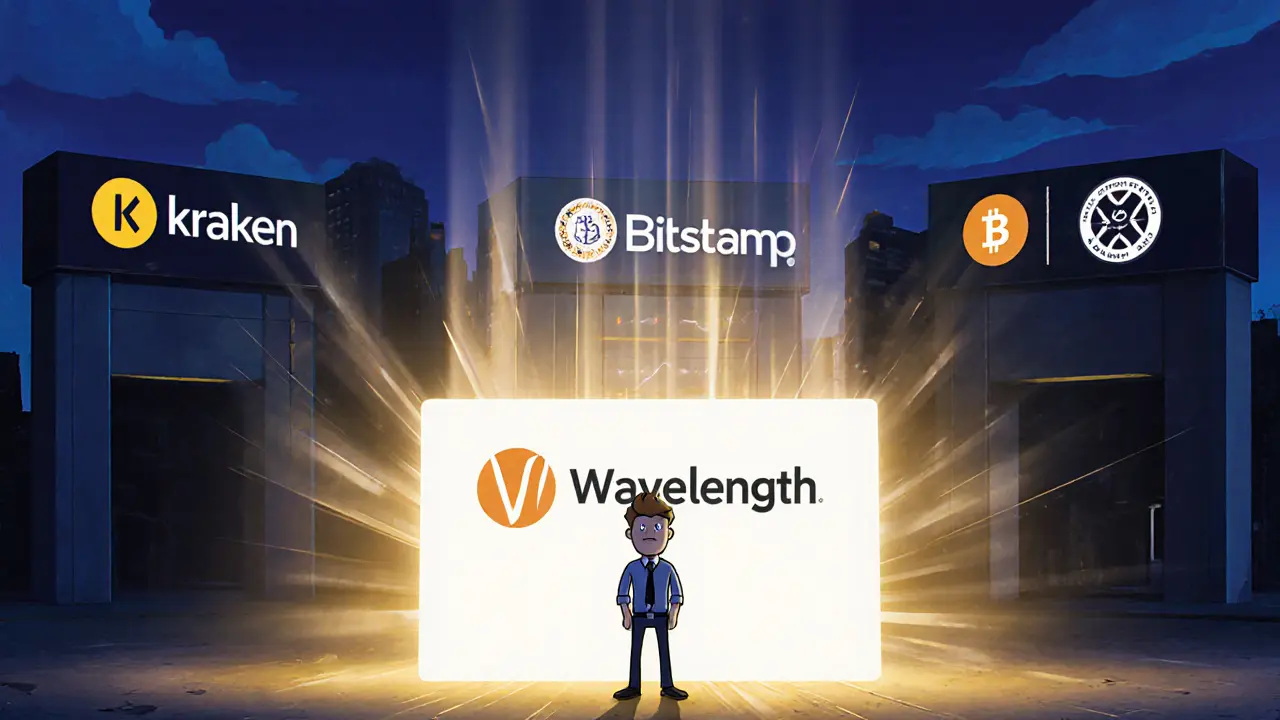
Wavelength crypto exchange is not a legitimate platform. No verified records, security audits, or user reviews exist. Learn the red flags of fake exchanges and which trusted platforms to use instead in 2025.
- December 12 2024
- Terri DeLange
- 0 Comments