
It starts with a notification. Maybe it’s a tweet from an account with a blue checkmark, or a message in a Telegram group you’ve been lurking in for weeks. The headline is simple but electrifying: "Claim your Chihua Token (CHIHUA) airdrop now." Your heart skips a beat. You remember the days of Uniswap and Yearn Finance giving away millions to early users. Could this be your moment? Before you connect your wallet and sign that transaction, stop. Take a deep breath. Because when it comes to Chihua token airdrop details, the reality is far less glamorous than the hype suggests.
In the world of cryptocurrency, especially within the volatile sector of meme coins, names are cheap. Projects rise and fall in hours. Today, we’re going to separate fact from fiction regarding the CHIHUA token. We will look at the data, examine the confusing history of similarly named projects, and most importantly, teach you how to spot the traps that have drained thousands of wallets. This isn’t just about one token; it’s about protecting your capital in a space designed to trick you.
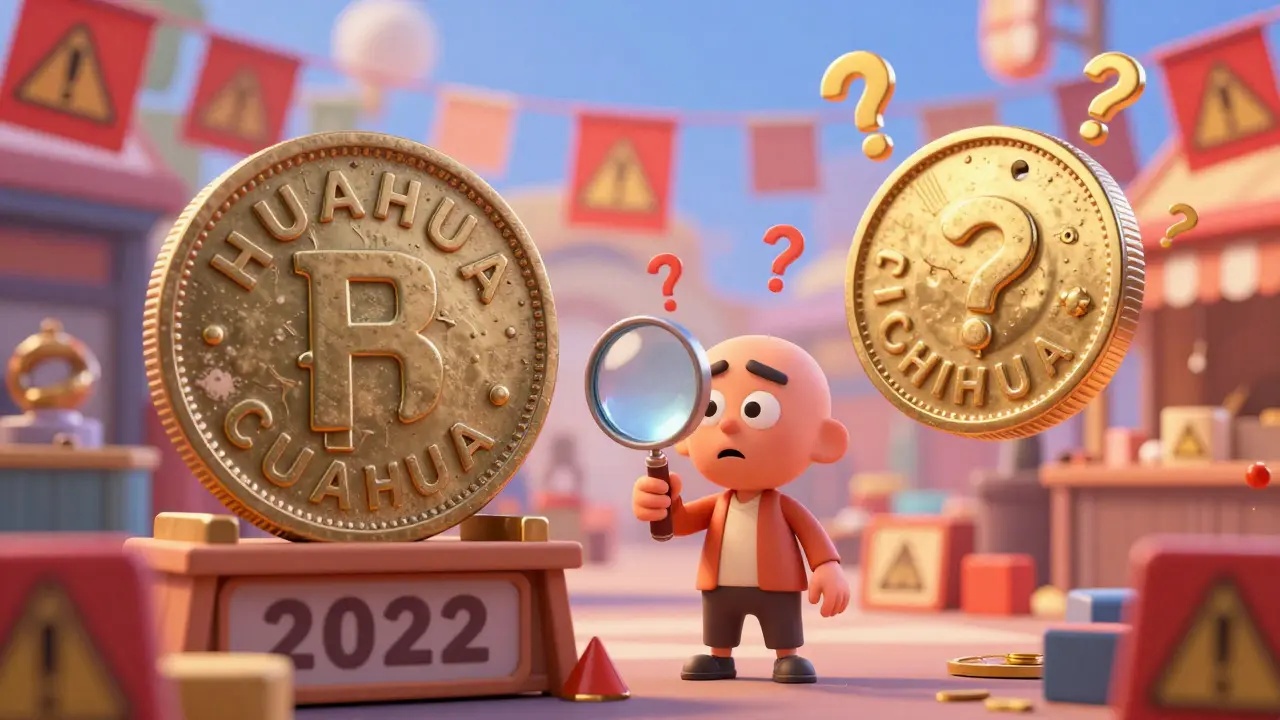
The Confusion Between CHIHUA and HUAHUA
The first hurdle in understanding the current buzz around Chihua is realizing that there are two completely different entities floating in the ether. If you search for "Chihuahua crypto," you might find old news articles about a project called Chihuahua Chain, which used the ticker HUAHUA. This was a legitimate, albeit controversial, Layer-1 blockchain project launched in 2021. In January 2022, the exchange MEXC conducted an airdrop for HUAHUA tokens. Users had to stake MX tokens to participate. That event is long over. The price has since cratered, and the project has largely faded into obscurity.
Now, look at Chihua Token (CHIHUA). This is a different beast entirely. According to data trackers like CoinMarketCap, CHIHUA is described as a community-driven answer to Dogecoin and Shiba Inu. It claims to be an Ethereum-based ERC-20 token. But here is the kicker: the data looks broken. Listings often show a maximum supply of 490 trillion tokens, yet the total supply and circulating supply frequently read as zero. When a token has no circulating supply, it cannot be traded. When it cannot be traded, an airdrop claiming to give you value is essentially handing you digital confetti.
| Feature | Chihuahua Chain (HUAHUA) | Chihua Token (CHIHUA) |
|---|---|---|
| Ticker Symbol | HUAHUA | CHIHUA |
| Blockchain | Own Layer-1 Chain | Ethereum (ERC-20) |
| Airdrop Status | Completed (Jan 2022 via MEXC) | Unverified / Likely Fake |
| Current Market Activity | Very Low / Negligible | Zero Volume / No Price |
| Project Goal | Community Governance Chain | Meme Coin / Community Fun |
Analyzing the Tokenomics: A Red Flag Parade
Let’s dig into the numbers because they tell a story that marketing emails hide. The CHIHUA token website or social media channels often claim a "fair launch." They say everyone, including founders, bought tokens on Uniswap. They boast about burning 51% of the supply and locking 48% in liquidity to prove it’s "rug pull proof." On paper, this sounds secure. In practice, it’s a common script used by low-effort meme coins.
If 99% of the supply is burned or locked, who is left to trade? Who provides the depth? The remaining 1% allocated for marketing is tiny. But the biggest issue is the contract itself. Many listings point to a contract address starting with `0x26ff...`. However, without active trading volume, liquidity can vanish instantly. Even if you receive tokens in an airdrop, if there is no buyer on the other side, those tokens are worthless. You can hold a million dollars worth of Bitcoin, but if the market closes, it’s just numbers on a screen. With CHIHUA, the market effectively never opened.
Consider the mechanics of a typical scam airdrop. Scammers create a token with a catchy name. They list it on decentralized exchanges with minimal liquidity. Then, they spam social media with links to "claim" pages. These pages ask you to approve a transaction. Once you click "Approve," you aren’t getting tokens; you are giving a malicious contract permission to drain your existing assets. The CHIHUA narrative fits this pattern perfectly: high hype, zero verifiable utility, and confusing data.
How to Verify Any Crypto Airdrop Safely
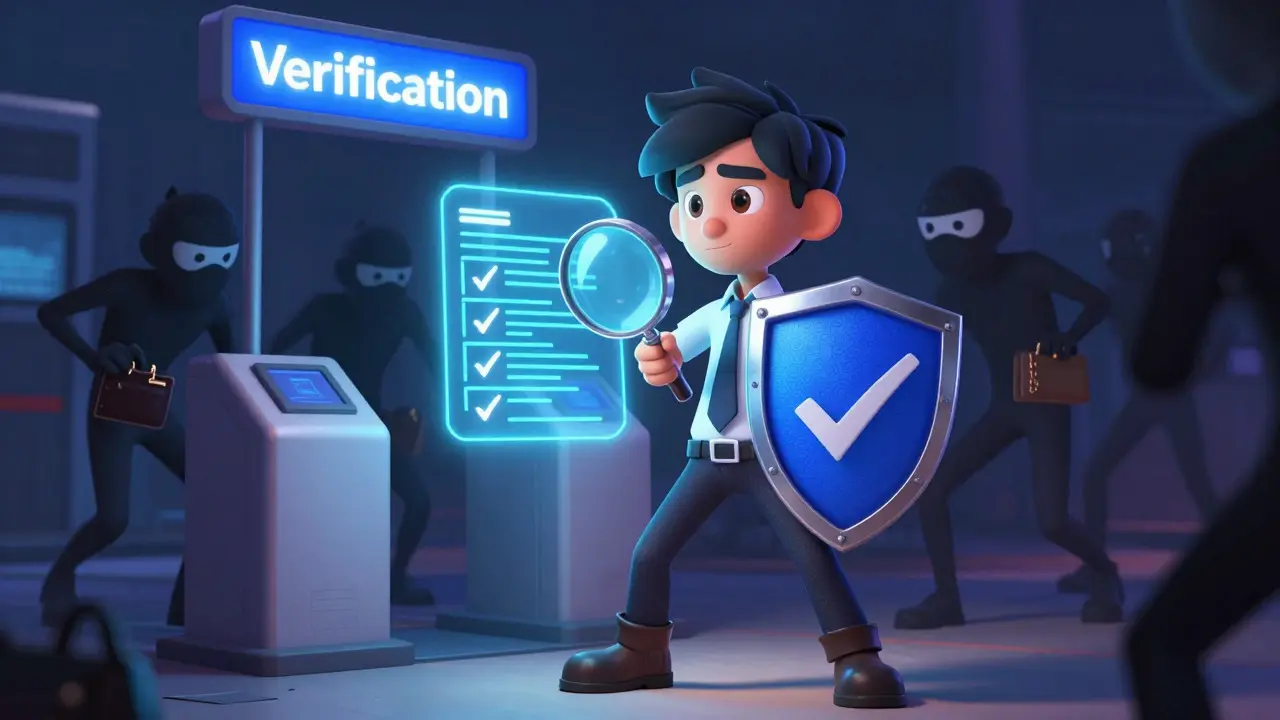
You don’t need to be a blockchain developer to spot a fake airdrop. You just need to follow a strict checklist. Every time you see a new opportunity, run it through these steps. This applies to CHIHUA, but also to any new project popping up in 2026.
- Check Official Sources Only: Do not trust Twitter DMs, Reddit comments, or Telegram messages. Go to the official website listed on reputable aggregators like CoinGecko or CoinMarketCap. Look for their verified social media handles. If the website doesn’t link directly to a verified Discord or Twitter, walk away.
- Inspect the Contract Address: Copy the token’s smart contract address. Paste it into Etherscan (for Ethereum) or BscScan (for Binance Smart Chain). Look at the "Holders" tab. Are there real people holding it, or does one wallet hold 90% of the supply? Look at the "Transactions" tab. Is there organic buying and selling, or just bot activity?
- Use Revoke.cash: Before connecting your wallet to any new site, go to revoke.cash. Connect your wallet there to see what permissions you’ve granted. If you see unknown contracts, revoke them immediately. This prevents future drains.
- Look for Liquidity Locks: Legitimate projects lock their liquidity pools for months or years. Tools like Unicrypt or Team.Finance can verify this. If the liquidity is unlocked, the developers can pull all the money out at any second, leaving you with worthless tokens.
- Verify the Team: Anonymous teams are risky. While many successful projects started anon, a complete lack of doxxing combined with aggressive marketing is a major warning sign. Check LinkedIn profiles. Do they exist? Are they consistent?
The Psychology of FOMO in Meme Coins
Why do we fall for these things? It’s not because we’re stupid. It’s because of Fear Of Missing Out (FOMO). The crypto market runs on attention. When you see others talking about gains, your brain releases dopamine. You want in. Projects like CHIHUA exploit this by using familiar imagery-cute dogs, simple names-and promising easy rewards.
Remember the Shiba Inu boom? People made life-changing money. But for every winner, there were ten thousand losers who bought the top or got scammed by fake SHIB tokens. The difference between the winners and the losers wasn’t luck; it was due diligence. Winners checked the contract. Losers clicked the first link they saw. The CHIHUA token is a classic example of a "copycat" project. It rides the coattails of bigger successes, hoping you won’t notice the missing details.
In 2026, the landscape is even more crowded. With nearly $15 billion distributed in airdrops across various sectors in recent years, the bar for legitimacy has risen. Projects now use complex point systems, require specific on-chain actions, and partner with established platforms. A simple "connect wallet and claim" offer for an unknown token is almost always a trap. The complexity of legitimate airdrops is a feature, not a bug-it filters out the lazy and protects the serious.
What to Do If You Already Claimed Tokens
If you’ve already connected your wallet to a suspicious CHIHUA site, don’t panic. Act quickly. First, disconnect your wallet from that specific website. Second, open a new browser window and navigate to Revoke.cash. Connect your wallet and look for any approvals related to the CHIHUA contract address. If you see an approval, click "Revoke." This stops the contract from moving your other tokens.
Third, transfer your valuable assets (ETH, USDC, etc.) to a fresh hardware wallet or a new software wallet address. Leave the compromised wallet with only enough gas fees to move funds out, then abandon it. Treat it as contaminated. Finally, monitor your transaction history on Etherscan for any outgoing transfers you didn’t initiate. If you lost funds, report it to the platform where the scam originated, though recovery is rare. Consider it a tuition fee for learning the importance of verification.
Conclusion: Patience Pays in Crypto
The truth about the Chihua Token airdrop is that it likely doesn’t exist in the way you hope. The data shows a dormant or non-functional token, confused with older projects, and surrounded by red flags. In the fast-paced world of crypto, patience is your greatest asset. Waiting for verification, checking sources, and ignoring the noise separates the pros from the victims. Don’t let the promise of free money blind you to the risk of losing everything. Stick to verified platforms, keep your private keys private, and always question the source.
Is the Chihua Token (CHIHUA) a scam?
While "scam" is a strong legal term, the evidence points to high risk. The token has zero trading volume, confusing supply data, and lacks a clear, active development team. Many similar projects turn out to be rug pulls or honeypots where you can buy but not sell. Exercise extreme caution.
How do I know if a crypto airdrop is real?
Real airdrops come from established projects with verified social media and websites. They rarely ask you to send ETH first. Always check the contract address on Etherscan, verify liquidity locks, and ensure the project has a transparent roadmap. If it feels too good to be true, it probably is.
What is the difference between CHIHUA and HUAHUA?
HUAHUA is the token of the Chihuahua Chain, a Layer-1 blockchain that had an airdrop in 2022. CHIHUA is a separate, likely inactive, meme token on Ethereum. They are unrelated projects, but scammers often mix up the names to confuse investors.
Can I lose money by claiming a free airdrop?
Yes. While the tokens themselves are free, the process often requires you to pay gas fees. More dangerously, fake airdrop sites may trick you into signing malicious transactions that drain your existing wallet balance. Always use a burner wallet for unverified interactions.
Where can I safely track legitimate airdrops?
Use reputable aggregators like CoinMarketCap, CoinGecko, or specialized airdrop tracking sites like Airdrop.io. Always cross-reference announcements with the project’s official Twitter and Discord channels. Never rely solely on third-party blogs or influencers.

Marcia Albert
July 28, 2026 AT 00:57honestly this whole thing feels like a digital mirage, shimmering in the heat of FOMO but vanishing when you actually try to touch it. i've seen enough rug pulls to know that silence is usually the loudest red flag there is. the fact that the supply reads as zero while they scream about billions is just plain goofy, like selling air in a jar and charging premium prices for the packaging.
it's fascinating how these projects rely on confusion, mixing up HUAHUA and CHIHUA until your brain short-circuits and you just click 'approve' out of sheer exhaustion. we are basically being tested on our patience, not our investment strategy. if you can't find the contract address without clicking three suspicious links, you're already losing. keep your keys cold and your skepticism hotter, folks.
Ed Mitchell
July 28, 2026 AT 14:16The narrative presented here is merely a superficial glance at a deeply entrenched system designed to harvest liquidity from the unwary masses. It is not simply a scam; it is a coordinated effort by shadowy entities to dilute the value of legitimate decentralized assets through noise pollution. The mention of 'community-driven' is a euphemism for 'crowdfunded trap.' One must question who benefits from the confusion between HUAHUA and CHIHUA. Is it coincidence? I think not. The timestamps, the social media spikes, the sudden appearance of influencers-all orchestrated. Do not trust the data trackers. They are compromised. The real truth lies in the off-chain whispers that mainstream crypto media ignores. Wake up before your wallet is drained into the abyss of centralized control disguised as decentralization.
Michael Mostyn
July 28, 2026 AT 14:35It is quite remarkable how the structure of these meme coins mirrors the philosophical concept of simulacra, where the copy replaces the original to such an extent that the original becomes irrelevant. In the case of CHIHUA, the token itself is perhaps less important than the social agreement that gives it perceived value, or lack thereof. When the circulating supply is effectively non-existent, we are left with a pure abstraction, a number on a screen that promises utility but delivers only speculation. This raises an interesting question about the nature of value in digital economies: is value intrinsic to the asset, or is it purely a function of collective belief? If the belief collapses, as it seems to have done here, what remains? Only the lesson learned by those who looked too closely.
Erica Johnson
July 28, 2026 AT 21:33lol everyone acting surprised that a random dog coin has no volume is hilarious because basic research takes five minutes. you don't need a PhD to see that zero liquidity means zero value. it's literally giving confetti as the article said. :D
Ken G
July 28, 2026 AT 22:59the moral decay of this industry is staggering really people should be ashamed of chasing free money instead of working hard for it. it's a sin against the principles of honest labor. these scammers prey on the lazy and the greedy. simple truth. stop falling for it.
Lorraine Surringer
July 29, 2026 AT 14:19i feel so drained just reading about all this stress around wallets and contracts. why do we make life so complicated? you just want to claim your tokens and relax but then someone says check this and check that. it's exhausting. honestly i think the best advice is to just disconnect entirely and go for a walk. let the bots fight over the scraps. your mental health is worth more than any potential airdrop. breathe. just breathe.
Alex Di Mango
July 30, 2026 AT 20:01I appreciate the detailed breakdown here. It’s easy to get swept up in the hype, but stepping back to look at the fundamentals is always the right move. Whether it’s CHIHUA or any other new project, the principle remains the same: verify before you invest. It’s not about being paranoid; it’s about being prepared. Thanks for sharing these tips on using Revoke.cash and checking Etherscan. These are practical tools that can save a lot of headaches down the line.
Amor Jordan
July 31, 2026 AT 20:49This is terrifyingly accurate. Every time I see a notification like this, my heart races, but then I remember the stories of people losing everything. It’s not just about money; it’s about trust. Trusting a link from a stranger is a huge risk. We need to protect each other by spreading awareness. Don’t let FOMO cloud your judgment. Your security comes first, always.
Nick Darring
August 2, 2026 AT 08:56You know what? I bet there’s a legitimate use case for CHIHUA that nobody is talking about because they’re too busy looking at the surface level. Maybe it’s a testnet for a future protocol. Or maybe the zero volume is intentional to filter out the whales. People are so quick to call it a scam without considering the possibility that it’s a stealth launch. I’ve made money on ‘dead’ coins before. Just saying. Don’t be the last one to figure it out. Sometimes the quietest projects are the ones that explode later. You might be missing out on the next big thing by following this fear-mongering advice. Think outside the box.
Eden Tadesse
August 4, 2026 AT 01:35thx for the info! i was gonna click that link but now im scared lol. better safe than sorry i guess. hope everyone stays safe out there.
Eric Zehr
August 4, 2026 AT 06:55Great article. It’s crucial to stay vigilant in this space. The steps outlined for verifying airdrops are spot on. Always double-check the contract address and never approve unlimited spending limits unless absolutely necessary. Stay safe out there!
Namrata Mapgaonkar
August 5, 2026 AT 03:45omg yes! this happened to my cousin in india too. she got a message on telegram and almost clicked it. luckily her brother stopped her. its so scary how these scams target everyone everywhere. we need to be careful. thanks for warning us! :)
Rita Dutta
August 6, 2026 AT 10:56the metaphysical implications of a token with no supply are profound. it exists only in the realm of potentiality, never actualizing into tradeable reality. it is a ghost in the machine. a phantom limb of the blockchain. very interesting perspective really. makes you wonder about the nature of existence in crypto.
Paul Smith
August 7, 2026 AT 20:53Nice read! 👍 It’s wild how many fake projects pop up every day. Always good to have a checklist handy. Stay safe everyone! 🚀💸
Phil Babb
August 9, 2026 AT 14:41LISTEN UP!!! You need to wake up to the reality of this situation!! The elite are watching your wallets!! Don't let them steal your future!! Check your approvals NOW!! Use a hardware wallet!! Protect your assets!! This is not a drill!! The market is rigged!! Fight back by staying informed!! Share this post!! Spread the word!! Don't be a sheep!! Stand up for your financial freedom!!! 🔥🔥🔥
Dominic Greco
August 9, 2026 AT 22:32They are watching you. The blue checkmark is a lie. The government wants you poor. CHIHUA is a psyop to track your movements. Burn your wallets. Go offline. Trust no one. 🕵️♂️👁️
Sean Rowland
August 10, 2026 AT 19:08One must interrogate the epistemological foundations of the so-called 'verification' process proposed herein. Who verifies the verifiers? The reliance on third-party aggregators such as CoinGecko introduces a layer of centralization that contradicts the ethos of decentralization. Furthermore, the notion of a 'legitimate' team is a bourgeois construct. Anonymity is not a flaw; it is a feature of true decentralization. By demanding doxxing, you invite surveillance. The chaos of the meme coin sector is not a bug; it is the natural state of a free market unshackled from regulatory tyranny. Embrace the uncertainty. Question the sources that question the sources. The matrix is deeper than you think.