
You’re scrolling through Twitter or a crypto forum, and someone drops the name CoinChief. You haven’t heard of it. No major headlines, no massive TV ads, no celebrity endorsements. Just a whisper among traders looking for something different than the usual suspects like Coinbase or Binance. So, what is this platform? Is it a hidden gem with low fees and great liquidity, or is it another obscure exchange that might vanish overnight?
Here’s the reality check: As of late 2026, CoinChief isn’t exactly a household name in the global crypto space. It doesn’t appear in the top-tier rankings from industry giants like Coin Bureau or Koinly, which track hundreds of platforms. That absence tells you something important. It suggests CoinChief operates in the shadows of the mainstream market-likely catering to a niche audience, perhaps focusing on specific regional markets or unique token listings that bigger exchanges ignore. But does "niche" mean "bad," or does it mean "opportunity"? Let’s break down what we know, what we suspect, and how you should approach this platform if you’re thinking about moving your funds there.
The Mystery of Market Position
When you search for major crypto exchanges, the same names pop up every time: Coinbase, Kraken, Bybit, MEXC. These platforms have billions in daily volume and regulatory licenses in multiple jurisdictions. CoinChief? It’s not on that list. This lack of visibility in comprehensive 2025-2026 roundups is a red flag for some and a curiosity for others. If an exchange isn’t mentioned by authoritative sources, it usually means one of two things: either it’s too small to matter globally, or it’s so new (or so regional) that it hasn’t crossed the threshold for international coverage yet.
For you as a trader, this ambiguity creates a dilemma. You want access to the latest tokens, but you don’t want to send your Bitcoin to a platform where you can’t easily find user reviews or verified withdrawal proofs. In the crypto world, opacity is often a precursor to trouble. However, smaller exchanges sometimes offer better customer service and faster listing times for emerging projects because they aren’t bogged down by bureaucratic compliance checks that take months. The key is knowing who CoinChief serves. Are they targeting retail investors in Southeast Asia? Or are they providing OTC (Over-The-Counter) services for institutional players in a specific country? Without clear data, you have to assume the role of detective before you become a customer.
Security and Trust: The Biggest Hurdle
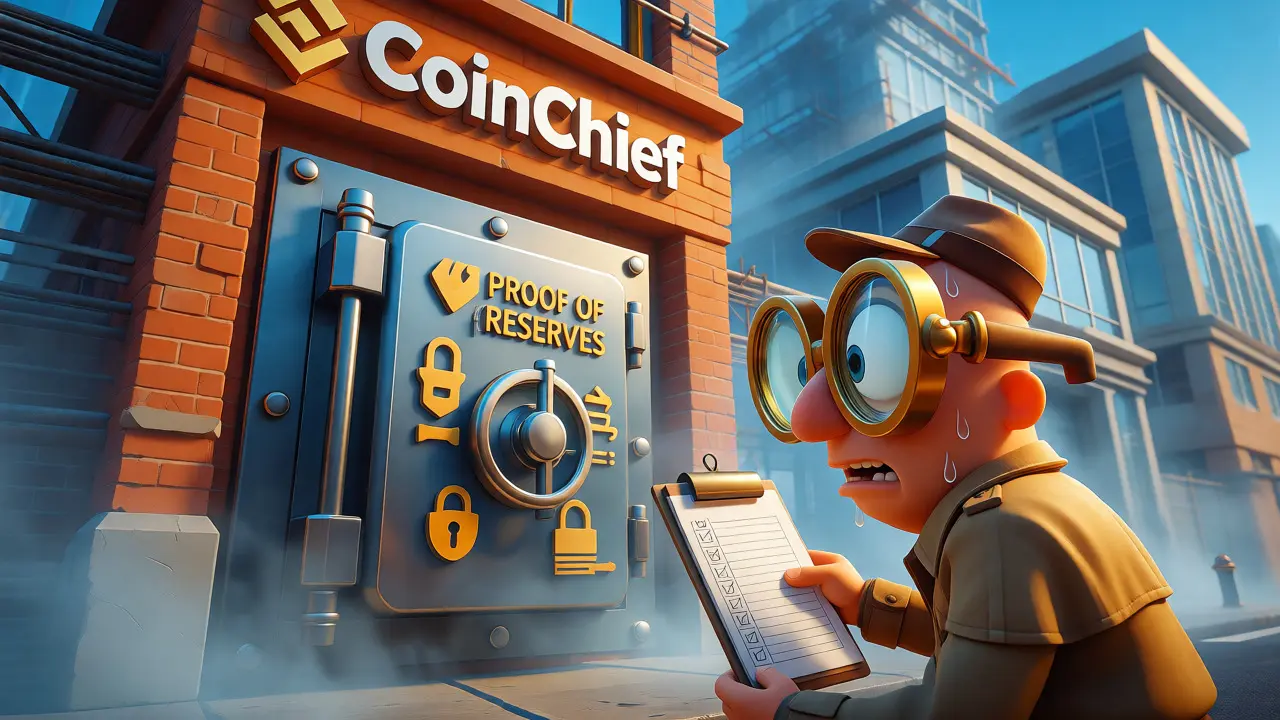
Let’s talk about the elephant in the room: trust. In crypto, code is law, but custody is risk. Major exchanges prove their safety through Proof of Reserves audits and insurance policies. Does CoinChief publish these? If you go to their website and can’t immediately find a link to a recent audit report, pause. Don’t deposit more than you’re willing to lose. A reputable exchange, regardless of size, will make its security measures transparent. Look for cold storage usage, two-factor authentication (2FA) enforcement, and bug bounty programs.
If CoinChief lacks public verification of its reserves, you’re essentially trusting a black box. Compare this to Kraken, which has survived hacks and maintained transparency for over a decade, or even newer players like Bitget that actively publish Merkle tree proofs. If CoinChief doesn’t do this, ask yourself: Why? Is it because they are too small to afford an audit, or are they hiding something? For most users, the answer lies in the fee structure and user interface simplicity, but security should never be compromised for convenience. Always start with a small test deposit and withdrawal to verify the process works smoothly before committing significant capital.
Fees and Trading Pairs: Where Value Lies
Niche exchanges survive by competing on fees and asset variety. Big exchanges have high volume, so they can keep maker/taker fees low (often around 0.1% or less). Smaller exchanges like CoinChief might try to undercut them with lower fees or zero-fee promotions to attract initial users. Alternatively, they might charge higher fees but offer exclusive access to tokens that aren’t listed anywhere else. This is the "altcoin hunter’s paradise" model.
Check the fee schedule carefully. Are there hidden costs for withdrawals? Some platforms advertise "zero trading fees" but charge hefty network fees for withdrawing USDT or BTC. Also, look at the spread-the difference between the buy and sell price. On illiquid pairs, spreads can widen significantly, meaning you lose money just by entering and exiting a trade. If CoinChief lists a token with only $5,000 in daily volume, expect slippage. You might buy at $1.00 and have to sell at $0.95 because there aren’t enough buyers. Always check the order book depth before placing large orders.
| Feature | CoinChief (Niche/Unknown) | Major Exchange (e.g., Coinbase/Kraken) |
|---|---|---|
| Visibility | Low; rarely in global top rankings | High; consistent top-tier presence |
| Asset Variety | Potentially exclusive or regional tokens | Broad selection of established assets |
| Liquidity | Lower; higher risk of slippage | Very High; tight spreads |
| Transparency | Unverified; requires manual due diligence | Regular Proof of Reserves; regulated |
| Customer Support | May be personalized but limited hours | 24/7 but often automated/bot-heavy |
User Experience and Interface
A clunky interface kills trading momentum. If CoinChief’s platform looks like it was built in 2015, that’s a sign of low investment in tech. Modern traders expect fast loading times, mobile responsiveness, and intuitive charting tools integrated with TradingView. If you’re doing technical analysis, you need accurate candles and reliable indicators. Test the demo account or view mode first. Can you place limit orders easily? Do stop-losses trigger correctly? These basic functions must work flawlessly. Bugs in execution logic can cost you real money during volatile market swings.
Also, consider the KYC (Know Your Customer) process. Some obscure exchanges allow anonymous trading for small amounts, which appeals to privacy-focused users. Others require full ID verification upfront. If CoinChief demands passport scans and selfie videos before letting you trade $50, weigh whether that friction is worth the potential benefits. Privacy is a luxury in crypto, but regulation is tightening globally. Anonymity might come with withdrawal limits or frozen accounts if compliance flags your activity later.

Who Should Use CoinChief?
So, is CoinChief right for you? It depends on your profile. If you’re a beginner looking to buy Bitcoin and hold it for ten years, stick to a major, regulated exchange. The peace of mind is worth any slight fee difference. If you’re an experienced trader hunting for micro-cap gems before they hit Binance, CoinChief might offer early access. But you must accept the risks: lower liquidity, potential delisting, and unknown counterparty risk.
Think of it as venture capital for your trading venue choice. You’re investing time and trust into a platform that hasn’t proven itself broadly. Keep your portfolio diversified across venues. Don’t put all your eggs in the CoinChief basket. Use it for speculative trades with money you can afford to lock away temporarily, while keeping your core holdings on established platforms. This strategy balances opportunity with security.
Final Verdict and Next Steps
CoinChief remains an enigma in the 2026 crypto landscape. Its absence from major review sites signals caution, not necessarily failure. It could be a regional player serving a specific community effectively. Before signing up, hunt for user testimonials on Reddit or Telegram groups dedicated to altcoins. Ask current users about withdrawal speeds and support responsiveness. If you find consistent complaints about stuck withdrawals, walk away. If you find praise for unique listings and fair fees, proceed with caution and small amounts.
Your next step is simple: Visit their site, check the legal footer for company registration details, and look for a contact email that actually gets a reply. Then, run a $10 test transaction. If everything flows smoothly, you’ve mitigated the biggest risks. If not, save your energy for platforms with a clearer track record. In crypto, staying safe is always better than being early.
Is CoinChief a legitimate crypto exchange?
Legitimacy is hard to confirm without regulatory licenses or third-party audits. Since CoinChief is not featured in major 2025-2026 industry reports, it likely operates on a smaller scale. Verify its legitimacy by checking for corporate registration details and testing small transactions before committing larger funds.
Why isn't CoinChief listed on CoinMarketCap or similar sites?
Exchanges may not be listed if they fail to meet minimum volume requirements, choose not to pay for listing, or operate in regions with limited data reporting. Lack of listing doesn't automatically mean fraud, but it reduces transparency and makes independent verification difficult.
What are the risks of using a lesser-known exchange like CoinChief?
Key risks include lower liquidity (leading to price slippage), potential insolvency without insurance, slower customer support, and regulatory uncertainty. Always use two-factor authentication and withdraw profits regularly to self-custody wallets.
Does CoinChief offer fiat currency deposits?
This varies by region and banking partnerships. Many niche exchanges rely heavily on crypto-to-crypto trading. Check their deposit methods page for bank transfers, credit cards, or P2P options. If fiat options are limited, you may need to convert crypto elsewhere first.
How do I verify CoinChief's security?
Look for SSL encryption, mandatory 2FA, cold storage claims, and any published Proof of Reserves. Search online forums for user experiences regarding hacked accounts or withdrawal issues. Absence of negative news is good, but absence of positive verification warrants caution.
