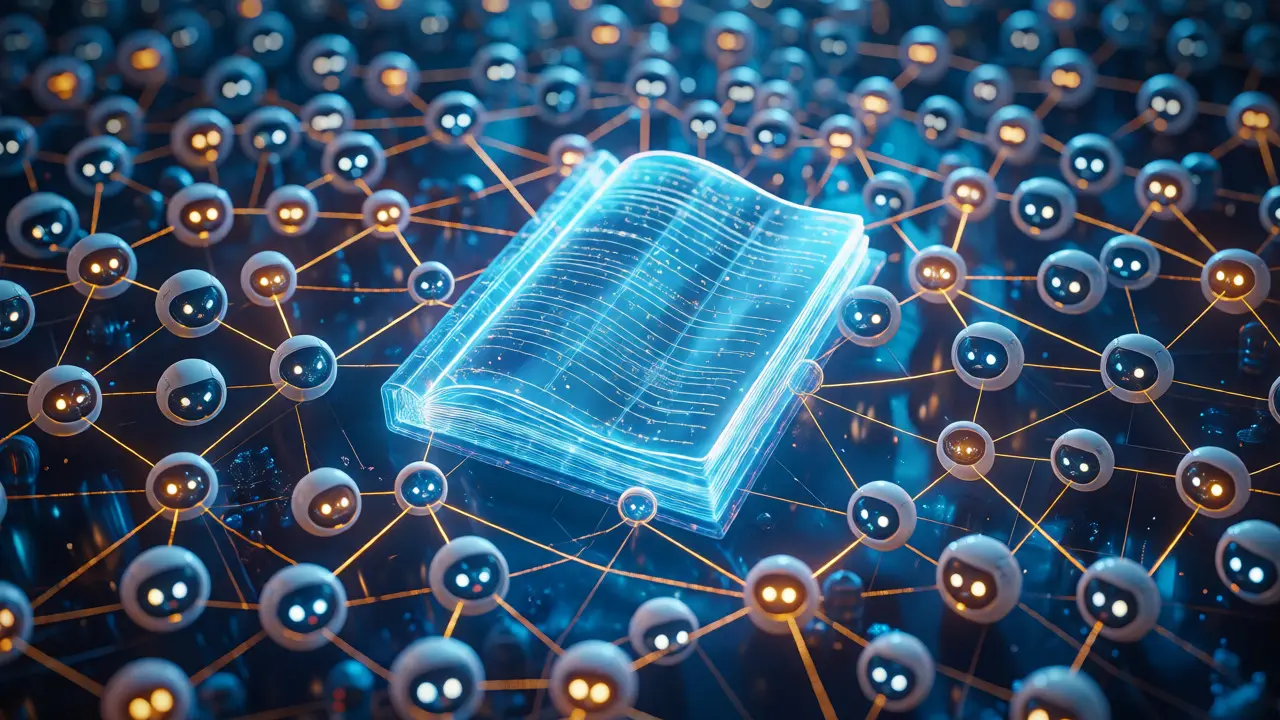
You’ve probably heard the hype: Blockchain is supposed to fix everything from voting systems to global shipping. But let’s cut through the noise. The real power of this technology isn’t just in creating new currencies; it’s in its ability to stop people from lying about what they did with your money or your goods. If you’re wondering how a digital spreadsheet can actually prevent fraud, you’re asking the right question. It comes down to one simple concept: transparency combined with immutability. When everyone can see the history, and no one can erase it, cheating becomes incredibly hard.
The Core Mechanism: Why You Can’t Cheat the Ledger
Traditional databases are like a notebook kept by a single librarian. If that librarian decides to tear out a page or rewrite an entry, nobody else knows unless they check the backup tapes-and even then, it’s messy. Blockchain flips this model on its head. It uses a distributed ledger where every transaction is recorded across thousands of computers, known as nodes. This creates a permanent audit trail. Once data is written, it’s locked in place using cryptographic hashing. Think of each block of transactions as having a unique fingerprint (hash) that includes the fingerprint of the previous block. If someone tries to alter a past transaction, that fingerprint changes, breaking the link to all subsequent blocks. To succeed, a fraudster would need to hack more than half the network simultaneously-a feat that is computationally expensive and practically impossible for major networks like Bitcoin or Ethereum.
This structural integrity means that fraud isn’t just detected after the fact; it’s prevented at the point of entry. You can’t double-spend the same dollar because the network consensus rejects any transaction that doesn’t match the current state of the ledger. This eliminates the classic "double-entry" discrepancies that plague traditional accounting, where manual errors or intentional manipulations slip through the cracks between different departments’ records.
Real Estate and Title Management: Ending Ownership Disputes
One of the most painful areas for fraud is real estate. Imagine buying a house, only to discover later that the seller forged documents or sold the same property to three different people. In many jurisdictions, title management is still fragmented, relying on physical deeds and inconsistent local registries. This fragmentation creates gaps where bad actors thrive. They can falsify documents, impersonate owners, or exploit data inconsistencies across borders.
Blockchain solves this by creating a tamper-proof digital ledger for property titles. Every transfer of ownership is recorded with a timestamp and verified identity. Because the record is public and accessible to authorized parties, verifying clear ownership takes seconds instead of weeks. There’s no middleman who can quietly change a name on a deed without leaving a trace. For example, if a fraudster tries to sell a home they don’t own, the blockchain shows the true owner immediately. This reduces the risk of title fraud significantly, lowering costs for insurance and legal verification. It turns a process fraught with paperwork and potential human error into a streamlined, transparent exchange.
Supply Chain Integrity: From Origin to Your Doorstep
You might not think of your morning coffee or your new sneakers as candidates for high-tech fraud protection, but supply chains are riddled with it. Counterfeit goods, mislabeled organic products, and stolen inventory cost businesses billions annually. The problem? Traditional tracking is opaque. A product moves from a factory to a shipper to a distributor to a retailer, and each handoff is a black box. Who touched it? Did it stay cold during transport? Is it actually made where the label says?
| Feature | Traditional System | Blockchain Solution |
|---|---|---|
| Data Visibility | Siloed, limited to specific partners | End-to-end visibility for all participants |
| Data Integrity | Vulnerable to alteration or loss | Immutable, cryptographically secured |
| Verification Speed | Days or weeks via manual audits | Seconds via automated consensus |
| Fraud Risk | High due to information asymmetry | Low due to shared truth source |
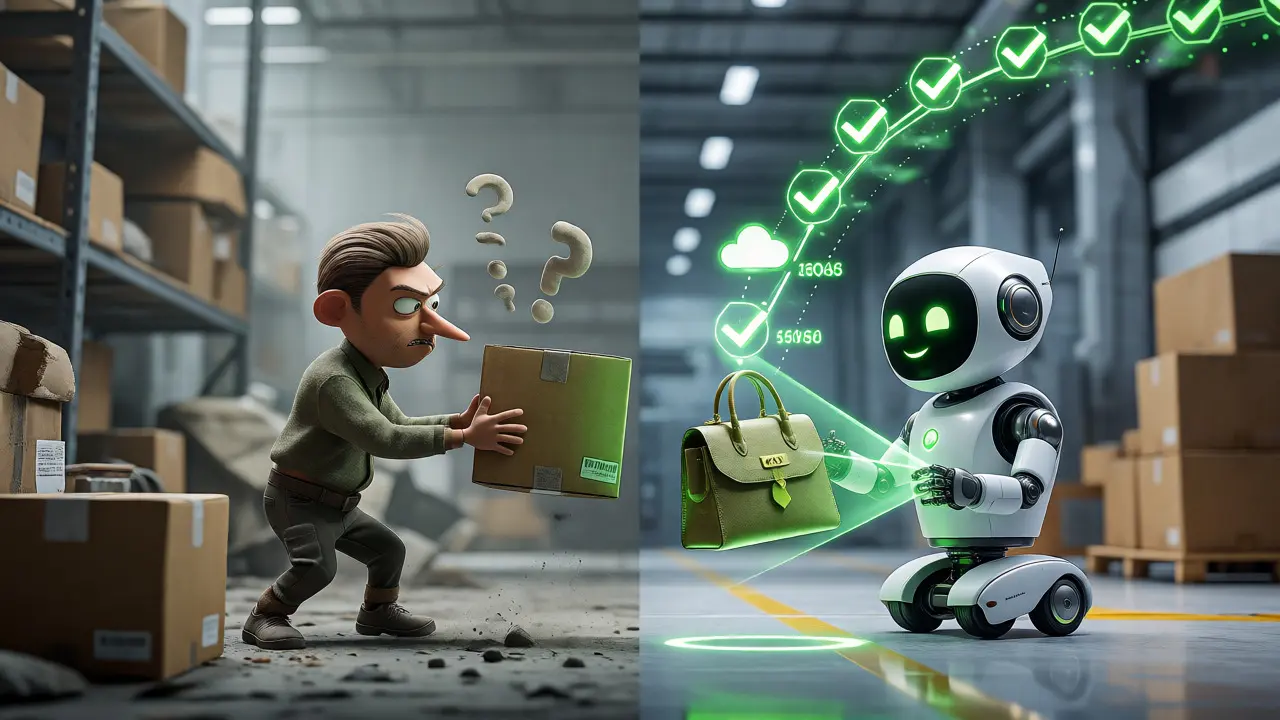
Blockchain introduces an unbreakable chain of custody. Each time a product changes hands, the transaction is logged with participant identities and timestamps. This end-to-end visibility makes it nearly impossible to introduce counterfeit goods without detection. If a luxury handbag claims to be from a specific Italian workshop, the blockchain can verify its journey from raw leather to finished product. Consumers can scan a QR code and see the entire history, providing verifiable proof of authenticity. This transparency doesn’t just stop fake goods; it also ensures ethical sourcing, proving that minerals weren’t mined in conflict zones or that food wasn’t adulterated.
Financial Services and Smart Contracts: Automating Trust
In finance, fraud often hides in complexity. Complex financial instruments, cross-border payments, and internal controls create layers where anomalies can go unnoticed until it’s too late. Smart Contracts-self-executing contracts with the terms directly written into code-offer a powerful solution here. These contracts automatically execute actions when predetermined conditions are met, removing the need for intermediaries and reducing human manipulation.
Consider a loan agreement. In a traditional setup, funds are released based on manual checks that can be delayed or influenced by bias. With a smart contract, the release of funds is triggered automatically once creditworthiness criteria are verified on-chain. This automation reduces operational risk and prevents unauthorized access through multi-signature requirements, which demand multiple private keys to approve a transaction. Furthermore, blockchain integrates seamlessly with cloud-based fraud detection systems. By providing immutable transaction records, these systems can monitor patterns in real-time. Anomalous behavior, such as a sudden spike in transfers from a dormant account, is flagged instantly. This proactive monitoring helps institutions catch issues before they escalate into massive losses, enhancing internal controls within sales and purchasing cycles.
Regulatory Compliance and Anti-Money Laundering
Critics often argue that cryptocurrency enables anonymity, making it a haven for money launderers. However, regulatory frameworks are catching up, turning blockchain’s transparency into a compliance asset rather than a liability. The European Union’s Fifth Anti-Money Laundering Directive (5AMLD), implemented in January 2020, treats crypto exchanges and wallet providers with the same rigor as banks. This includes mandatory Know Your Customer (KYC) checks and reporting suspicious activities.
Because blockchain transactions are pseudonymous but publicly visible, law enforcement agencies can trace the flow of funds with precision. Financial Intelligence Units now have the authority to obtain owner identities from Virtual Asset Service Providers (VASPs). This linkage between on-chain activity and off-chain identity allows regulators to detect illegal funds effectively. Organizations like the Financial Action Task Force (FATF) develop supervision procedures to ensure global standards are met. While some jurisdictions still allow anonymous transactions, the trend is toward greater accountability. As KYC regulations tighten, the hope is that cryptocurrencies will shed their reputation as tools for crime financing, becoming compliant instruments for legitimate commerce.

The "Garbage In, Garbage Out" Limitation
It’s crucial to understand that blockchain guarantees the integrity of data after it enters the system, not the accuracy of the data itself. This is known as the oracle problem. If a fraudulent actor inputs false information onto the blockchain-say, claiming a diamond is ethically sourced when it isn’t-the blockchain will faithfully record that lie forever. The technology cannot physically inspect the diamond; it relies on trusted input sources.
This limitation means that successful implementation requires robust ecosystem adoption and trusted entities. Network effects play a huge role here; the more participants who validate data, the harder it is for a single bad actor to corrupt the source. For instance, in land registry projects, the initial digitization of paper titles must be done accurately. If the original scan is wrong, the blockchain record is wrong. Therefore, while the ledger is secure, the human element of data entry remains a critical vulnerability. We must combine technological immutability with rigorous verification processes at the point of origin.
Future Outlook: Expanding Beyond Finance
We are seeing rapid adoption beyond speculative trading. Real estate firms are piloting title management systems to reduce closing times. Supply chain giants are integrating blockchain to combat counterfeiting in pharmaceuticals and luxury goods. Financial institutions are embedding blockchain into existing infrastructure to enhance security without discarding legacy systems entirely.
The future lies in interoperability. Different blockchains need to talk to each other and to traditional banking systems. International collaboration on standards is essential, given the global nature of these networks. The OECD is already working to raise awareness among tax auditors regarding cryptocurrency-related tax evasion. As regulatory clarity improves and technical hurdles around scalability and energy consumption are addressed, blockchain’s role in fraud prevention will likely expand into healthcare records, voting systems, and intellectual property rights. The key takeaway? Technology alone doesn’t solve fraud; it provides the tools. Success depends on how well we integrate these tools into our existing trust frameworks.
Does blockchain make all transactions completely anonymous?
No, most public blockchains are pseudonymous, not anonymous. Transactions are linked to digital addresses rather than names, but the history of those addresses is public. With proper analysis and KYC regulations, authorities can often link addresses to real-world identities, making it difficult to hide illicit activities permanently.
Can hackers change historical data on a blockchain?
Changing historical data is extremely difficult and resource-intensive. To alter a past block, a hacker would need to re-mine that block and all subsequent blocks, while simultaneously outpacing the rest of the network. On large networks like Bitcoin, this requires immense computational power, making retroactive fraud economically impractical.
How does blockchain help in supply chain fraud prevention specifically?
It creates an immutable record of a product's journey from origin to consumer. Each step is timestamped and verified by participants. This prevents counterfeiting because a fake product cannot replicate the entire verified history of a genuine item. Consumers can scan codes to view this history, ensuring authenticity and ethical sourcing.
What is the biggest weakness of blockchain in preventing fraud?
The "garbage in, garbage out" problem. Blockchain secures data once it is on the ledger, but it cannot verify if the initial input was truthful. If a user enters false information, the blockchain records that falsehood immutably. Trusted oracles and verification processes at the data entry stage are essential to mitigate this risk.
Are smart contracts legally binding?
This varies by jurisdiction. Many regions are updating laws to recognize smart contracts as valid legal agreements. However, they are best used for automating execution of terms that are already agreed upon in a traditional legal framework. They reduce administrative friction but do not replace the need for clear legal intent.

DESI B KI VINES
October 31, 2026 AT 10:43Bro, this is solid stuff. The part about the librarian tearing out pages? That's exactly how my local bank messed up my savings last year. They just changed the numbers and said 'system error.' With blockchain, they couldn't have pulled that stunt without everyone seeing it instantly. Keep spreading the word on tech that actually helps regular folks.
Lauren Taylor
November 1, 2026 AT 08:40Oh, what a beautifully articulated exploration of digital integrity! It truly warms my heart to see such clarity regarding immutable ledgers. The potential for trust restoration in our fractured society is simply luminous here. I feel so inspired by the prospect of transparent ownership records ending those dreadful title disputes. It’s like watching a sunrise after a long, dark night of bureaucratic confusion. We must champion these innovations with vigor and hope. The future looks remarkably bright indeed.
Michelle Franscella
November 1, 2026 AT 14:08I appreciate the balanced view here. While transparency is great, we need to respect privacy boundaries too. Not everyone wants their entire financial history public. A good middle ground is needed.
John Corr
November 2, 2026 AT 06:26Cool story. Now explain why gas fees aren't fraud themselves.
Lance Gideon
November 4, 2026 AT 04:55man this whole thing is just overhyped garbage. you cant trust computers either. hackers get into everything. its all a scam anyway. waste of time reading this fluff.
Robert Koomans
November 4, 2026 AT 10:31How quaint. Another simplistic take on distributed ledger technology that ignores the sheer inelegance of consensus mechanisms. One assumes the author has never attempted to reconcile a smart contract bug at 3 AM. The romanticization of 'transparency' often masks the profound inefficiency inherent in public chains. Do try to grasp the nuance before peddling these platitudes to the masses.
Erick Lanza
November 4, 2026 AT 21:58The weight of this information feels heavy. It reminds me of the burden we carry when trust is broken. Transparency is a double-edged sword, isn't it? We expose ourselves to scrutiny while seeking safety. It is a poignant realization that technology cannot fix human greed, only record it faithfully. The sadness of inevitable failure lingers in every block.
Brittney Cortez
November 5, 2026 AT 11:41yall really think this solves everything?? lol no way. people still lie about where things come from. if i buy organic avocados and the farmer lies, blockchain just records the lie. useless for real world honesty. but hey, cool tech for nerds i guess.
Sarah Boudreau
November 5, 2026 AT 18:31This gives me so much hope! Imagine a world where you don't have to worry about being ripped off. It's going to be amazing once everyone gets used to it. We are getting there, one block at a time!
Jason White
November 7, 2026 AT 14:37American innovation leads the way in blockchain adoption. Other nations lag behind due to excessive regulation and lack of entrepreneurial spirit. We must maintain our dominance in this sector to ensure national security and economic superiority. Foreign competitors are merely imitators without true vision.
April MacLean
November 7, 2026 AT 16:25Useful overview. The supply chain section was particularly relevant given recent counterfeit issues. Good read.
ZACK FX
November 7, 2026 AT 18:49Look... look... the cryptographic hashing algorithm ensures... ensures... data integrity via Merkle trees... right? But wait... if the oracle provides false input... then the immutability preserves the falsehood... forever... forever... do you understand the gravity of that? It is terrifying... truly terrifying...
Wilson Andres Lopez Martinez
November 8, 2026 AT 03:11Truth is a fragile flower. Blockchain builds a glass case around it. But who polishes the glass? If the hand that plants the seed is dirty, the fruit remains tainted. We seek certainty in code, yet life thrives in ambiguity. Perhaps the ledger is not a shield, but a mirror reflecting our own inability to trust one another.
Anna Smith
November 10, 2026 AT 01:10While interesting, this analysis lacks depth regarding Layer 2 scaling solutions. Most readers likely misunderstand the distinction between L1 and L2 transaction finality. A more sophisticated audience would expect discussion on rollups and zero-knowledge proofs rather than basic analogy comparisons.
Gaurav Sharma
November 11, 2026 AT 21:43It is adequate. The explanation of the double-spend problem is standard fare found in any introductory whitepaper. Nothing novel here. One might argue the examples provided are somewhat dated given current market volatility. Nevertheless, the core thesis holds water, albeit slowly.
VAGHELA SUMIT
November 12, 2026 AT 15:47I am thinking about how this applies to rural areas in India where land records are notoriously messy and prone to corruption by local officials. If we could implement a decentralized registry that is accessible via mobile phones, it would empower farmers significantly. However, the challenge lies in the initial digitization phase which requires massive infrastructure investment and training. It is not just about the tech stack but also about community adoption and trust building. We need to consider the social dynamics as well as the technical ones to make this work effectively in developing economies.
Kadon Douglas
November 14, 2026 AT 05:12Stop ignoring the energy consumption argument. Proof of Work is wasteful. Proof of Stake is centralized. You can't have decentralization, security, and scalability simultaneously without trade-offs. This article glosses over the environmental impact completely. It's misleading to call it purely beneficial without addressing the carbon footprint of mining operations. People need to know the cost of this 'transparency.'
Amanda Savluchinske
November 15, 2026 AT 06:40You've got this! Embracing new tech can feel overwhelming, but breaking it down like this makes it manageable. Remember, every expert started as a beginner. Your understanding of these concepts will grow with each interaction. Stay curious and keep asking questions. You are building a strong foundation for your knowledge base right now.
Elisa Gray
November 15, 2026 AT 08:04it's wild how much we rely on institutions to tell us the truth. blockchain shifts that power back to the individual in a weird way. but yeah, the 'garbage in' part is key. tech doesn't fix bad actors, it just exposes them faster. maybe that's enough?