
Have you ever heard of an airdrop where the price is literally zero? That’s the current reality for KAKA NFT World, a project that promised big things in the metaverse but currently sits at $0.00 on major trackers. If you’re here because you saw "free tokens" and clicked, you need to know what you’re actually getting into before you connect your wallet. The KAKA NFT World airdrop program isn’t just about handing out coins; it’s tied to a complex ecosystem involving mystery boxes, NFTs, and conflicting technical specs.
What Is KAKA NFT World?
Before we talk about free money, let’s look at the source. KAKA NFT World is a competitive gaming ecosystem that tries to blend Non-Fungible Tokens (NFTs) with Decentralized Finance (DeFi). Think of it as a digital playground where you can trade art, play games, and bet on e-sports outcomes. The project claims to use a cross-chain bridge, meaning it wants to work across different blockchains like Ethereum, Binance Smart Chain, or Solana. However, sources are split on which chain it actually runs on right now, which is your first red flag.
The core idea revolves around two main sectors. First, they handle the R&D, sales, and trading of game and art NFTs. Second, they focus on prediction markets specifically for e-sports. This means users could theoretically stake tokens on who wins a match, adding a layer of gambling-like excitement to the platform. The governance structure is supposed to be a Decentralized Autonomous Organization (DAO), giving token holders a say in how the project moves forward. But remember, a DAO only works if people actually care enough to vote, and with current activity levels, that’s a big "if."
Tokenomics and Supply Confusion
Here is where things get messy. Depending on where you look, the total supply of KAKA tokens changes drastically. CoinMarketCap lists a total supply of 100 million tokens. Other sources claim it’s 1 billion. Why does this matter? Because if you think you’re getting 1% of the pie but it’s actually 0.1%, your expectations are way off.
Let’s break down the distribution based on the larger 1 billion figure often cited in community channels:
| Allocation Category | Percentage | Token Amount | Purpose |
|---|---|---|---|
| Mining & Airdrops | 59% | 590 Million | Community engagement and user acquisition |
| Investment Institutions | 25% | 250 Million | Venture capital and strategic partners |
| Team | 15% | 150 Million | Developer salaries and future incentives |
| Initial DEX Offering (IDO) | 1% | 10 Million | Public sale participation |
Notice that nearly 60% of the supply is earmarked for mining and airdrops. This suggests the team knows they need to buy attention. They aren’t relying on organic growth alone; they’re paying users in tokens to join. The remaining 41% is locked up by insiders and investors, which usually creates selling pressure when those tokens unlock.
How the Airdrop Mechanism Works
You don’t just sign up and wait. The KAKA airdrop system relies on active participation. Users earn free tokens by completing challenges and promotions listed on the official website. These aren’t always simple "retweet this" tasks. Some involve interacting with the platform’s features, though given the low activity, many of these interactions might feel like shouting into the void.
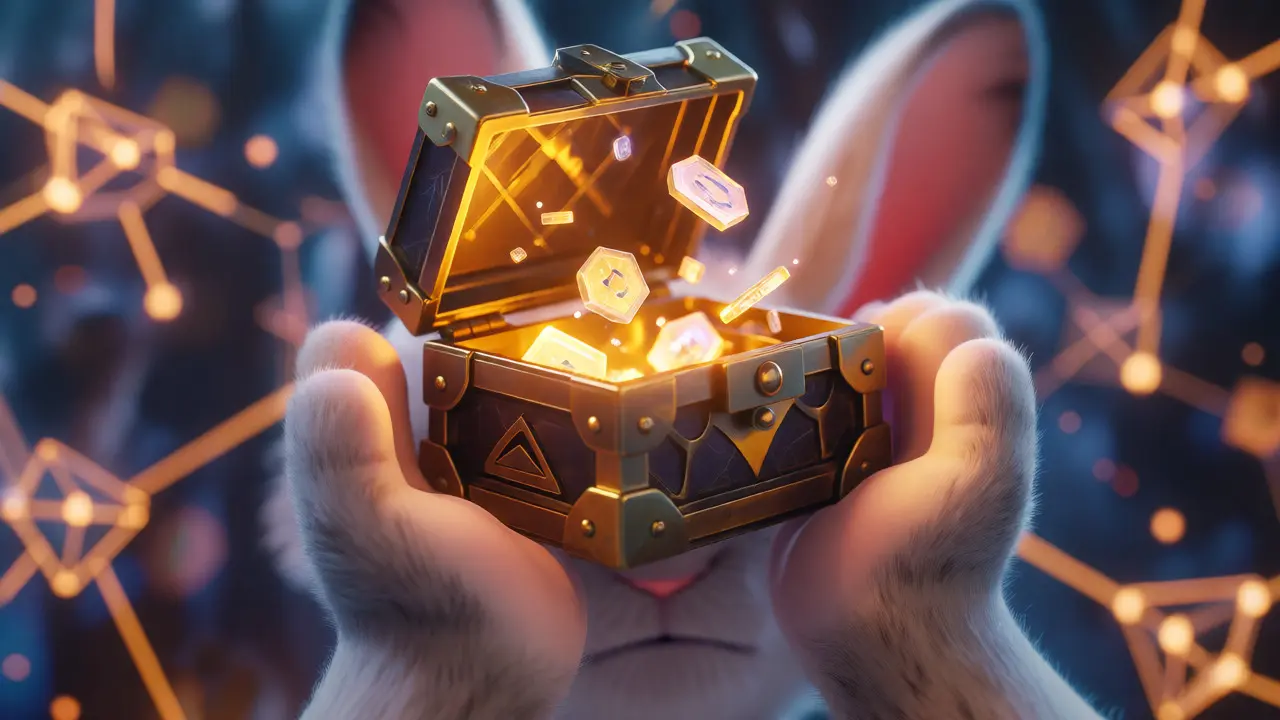
A unique feature here is the Mystery Box distribution. Periodically, users receive these boxes from the official site. The value proposition is tricky: the company claims that depending on the value inside, you might recover your initial investment (if you bought anything) within three to four boxes. But since the token price is currently flatlined at zero, "recovering investment" is a theoretical concept rather than a financial reality. You’re accumulating potential future value, not current cash.
Mining rewards are also distributed through the website, sometimes containing other popular cryptocurrency tokens. This diversification is nice, but again, check the liquidity. Earning a token that no one wants to buy is like winning a prize ticket for a store that closed down.
The NFT Angle: More Than Just JPEGs
The heart of the project is the KAKA-rabbit NFT collection. Unlike many projects that use algorithmic generation to create thousands of avatars, these are hand-drawn. There are exactly 10,000 pieces, each designed by famous CG artists and game designers. This manual craftsmanship gives them a distinct artistic flair compared to the typical pixel-art PFPs you see everywhere.
Holding a KAKA-rabbit isn’t just for bragging rights on Twitter. It serves as a key to the ecosystem. Holders get priority access to card games and enhanced user rights. In upcoming battles, these rights could translate to competitive advantages. There was even a collaboration with Binance, resulting in 20 exclusive pieces sold on their marketplace, which adds a layer of prestige to the collection. If the gaming aspect takes off, these NFTs could become valuable utility assets, not just speculative art.

Current Market Reality Check
Let’s look at the hard numbers. As of late 2026, platforms like Bitget and CoinMarketCap report the live price of KAKA at $0.00 USD. The 24-hour trading volume is also $0.00. This isn’t a minor dip; it’s a complete lack of market activity. Price prediction algorithms from services like CoinCodex can’t even generate forecasts because there isn’t enough historical data to analyze.
This situation points to a few possibilities. Either the project is in a deep development phase and hasn’t launched its main trading pairs yet, or it has suffered from severe liquidity issues. The fact that the liquidity pool is burned and the contract is renounced (meaning developers can’t change the code anymore) shows commitment to decentralization, but it also means they can’t easily fix broken liquidity pools themselves. If the market doesn’t provide buyers, the token stays worthless regardless of the tech behind it.
Risks and Red Flags
If you’re considering diving into this, keep these risks in mind:
- Conflicting Technical Data: Is it BNB Chain or Solana? Until this is clarified, bridging assets carries risk.
- Zero Liquidity: You might earn tokens, but selling them will be difficult or impossible until volume returns.
- Unclear Roadmap: With minimal public updates and expert analysis, tracking progress is hard.
- Community Sentiment vs. Activity: A 4.4/5 rating on CoinMarketCap looks good, but it’s based on only 100 ratings. That’s a small sample size in a global market.
Despite these issues, the community remains engaged. People are still collecting rabbits and participating in prediction markets. For some, the fun of the game outweighs the immediate financial return. For others, this is a lottery ticket waiting for a jackpot event.
Is KAKA NFT World a scam?
Not necessarily. The contract is renounced and liquidity is burned, which are positive signs against rug pulls. However, the lack of trading volume and price data makes it a high-risk, unproven asset rather than a verified success.
How do I claim my KAKA airdrop?
You typically need to visit the official KAKA NFT World website, connect your compatible wallet, and complete specific challenges or open Mystery Boxes provided through their portal. Always verify the URL to avoid phishing sites.
What blockchain does KAKA use?
Sources conflict, with some citing BNB Chain and others mentioning Solana. It is crucial to check the official documentation or smart contract explorer for the most current deployment address before sending funds.
Can I sell KAKA tokens immediately?
Currently, trading volume is reported as zero on major exchanges. While you can list tokens, finding a buyer may be difficult without significant marketing efforts or waiting for the project to relaunch trading pairs.
What are Mystery Boxes in KAKA?
Mystery Boxes are periodic reward distributions on the KAKA website that contain various cryptocurrency tokens or NFT-related items. Their value fluctuates based on the random contents and the current market price of those assets.
