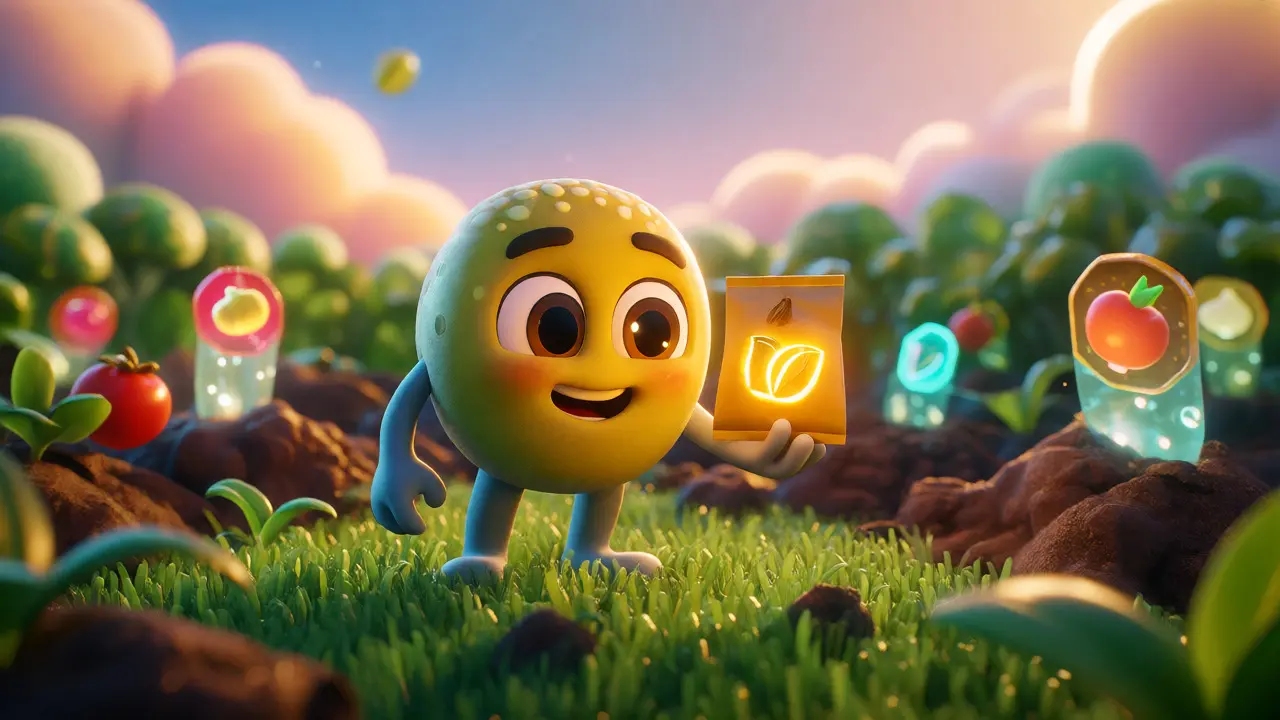
Most people think getting free crypto means signing up for a newsletter and waiting months for a snapshot. OneRare throws that idea out the window. It’s not just another food-themed Play-to-Earn game on the Polygon blockchain; it’s an active economy where you earn assets by doing work, not just by showing up. If you’re looking for details on the "airdrop" of ingredient NFTs, you need to understand that OneRare doesn’t typically do traditional, one-time giveaways. Instead, it uses a continuous farming model. You stake tokens, you get ingredients, and you build dishes. This article breaks down exactly how this works, what the risks are, and how to actually get those NFTs into your wallet.
The Big Misconception About OneRare Airdrops
When you see "airdrop" in the title of a crypto project, you might expect a static list of recipients who did nothing but hold a token. That’s rarely the case with OneRare. The platform is built around a dynamic supply chain. There isn’t a single, massive event where everyone gets a bag of onions and tomatoes at once. Instead, the distribution is ongoing.
Think of it less like a lottery ticket and more like a job. You have to stake ORARE tokens in specific pools to yield results. These results come in the form of Ingredient NFTs. Because the system is designed to mimic real-world agriculture, the supply of these ingredients fluctuates based on in-game environmental events. So, when people talk about the "airdrop," they are usually referring to this passive income stream from staking, or occasional promotional drops tied to partnerships with chefs and restaurants.
How the Farming Mechanic Actually Works
To get your hands on ingredient NFTs, you start in the Farm area of the OneRare Gaming Zone. Here is the step-by-step reality of how you acquire them:
- Stake ORARE Tokens: You lock your ORARE tokens into one of six themed farming pools. Each pool corresponds to different types of cuisines or ingredient categories.
- Wait for Emissions: Ingredients are emitted at a fixed rate per hour. This isn’t instant gratification; it’s a slow drip feed of digital assets.
- Randomized Rewards: You don’t pick your crops. Each pool contains a randomized list of ingredients. One hour you might get a potato NFT, the next a lettuce NFT. This randomness creates scarcity for certain items.
This mechanic prevents inflation. If everyone could farm exactly what they wanted, the market would be flooded with common items. By randomizing the output, OneRare keeps the value of rare ingredients high. For example, if a drought hits the in-game world, wheat production might stop, making existing Wheat NFTs suddenly much more valuable on the Farmer's Market.
Navigating the Four Zones of the Foodverse
Understanding where you can use these ingredients is key to maximizing their value. The OneRare ecosystem is divided into four distinct areas, each serving a different purpose for your asset management.
| Zone | Primary Function | Key Activity |
|---|---|---|
| Farm | Asset Generation | Staking ORARE to yield Ingredient NFTs. |
| Farmer's Market | Liquidity & Trading | Selling raw ingredients or buying special non-farmable items. |
| Kitchen | Asset Creation | Burning ingredients to mint Dish NFTs. |
| Playground | Engagement & Bonuses | Mini-games using NFTs to win rewards. |
The Kitchen is where the magic happens for collectors. When you combine ingredients-say, oil, salt, and potato NFTs-you burn them to create a French Fries Dish NFT. Note that burning is permanent. Once you make the dish, you can’t get those ingredients back. This deflationary pressure helps maintain the floor price of both ingredients and dishes.

Environmental Risks and Supply Shocks
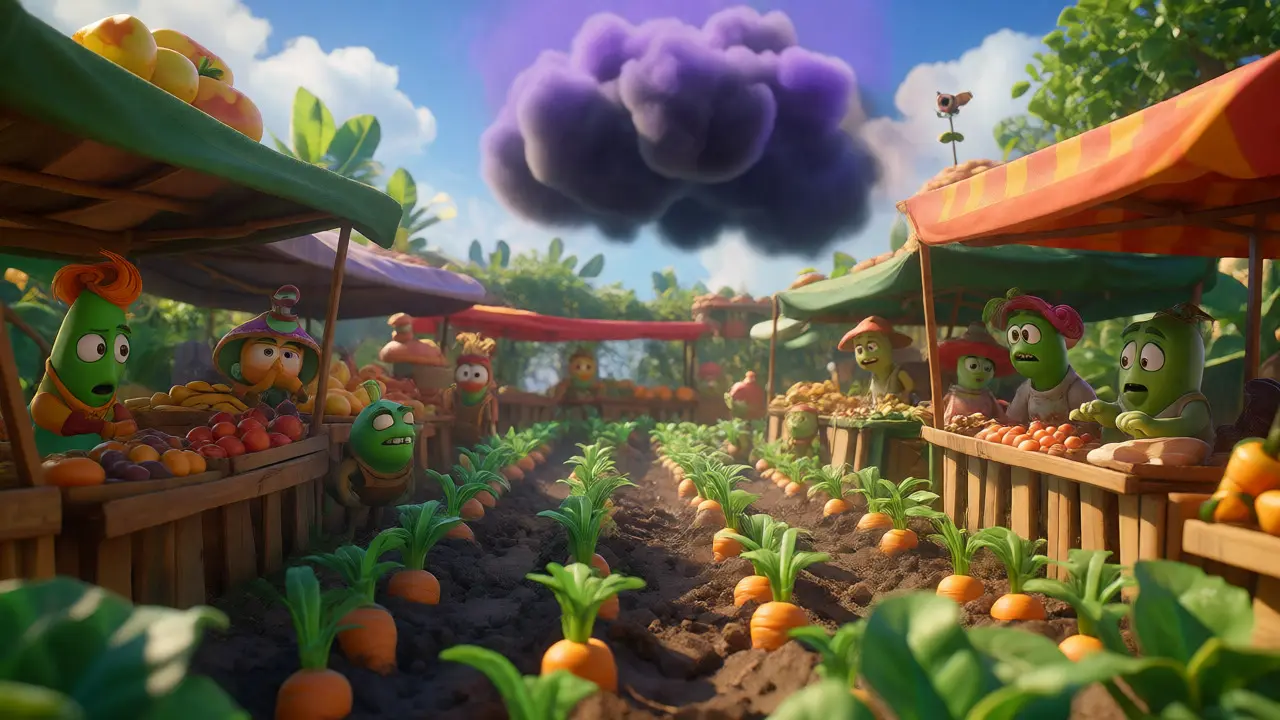
Here is where things get interesting for traders. OneRare incorporates real-world agricultural challenges into its code. The developers programmed events like droughts, tornadoes, pest attacks, and excessive rains into the game logic. These aren’t just cosmetic; they directly impact your earnings.
If a "Pest Attack" occurs on the Carrot crop, the emission rate for Carrot NFTs drops to zero for a set duration. During this time, anyone holding Carrot NFTs sees their scarcity increase. Prices on the Farmer's Market often spike because players who need carrots to complete a specific Dish recipe must buy them from other users rather than farming them. If you are playing the long game, keeping an eye on these environmental cycles can help you time your buys and sells better than someone who just farms blindly.
Partnerships and Premium Ingredient Drops
While the core farming loop provides the bulk of ingredient distribution, OneRare does engage in targeted drops through partnerships. They have collaborated with celebrity chefs like Saransh Goila, Zorawar Kalra, and Michelin-starred chef Anthony Sarpong. These collaborations often result in limited-edition ingredient or dish NFTs that cannot be farmed in the standard pools.
These premium assets are closer to what traditional gamers might call an "airdrop" or exclusive release. They are often distributed to early adopters, loyal community members, or through specific social media campaigns. If you are looking for these rarer assets, follow OneRare’s official channels closely. Missing a partnership drop means missing out on assets that may never enter the general circulation again.
Technical Setup and Gas Fees
OneRare runs on the Polygon network. This is a crucial detail for your wallet balance. Unlike Ethereum mainnet, where every transaction costs several dollars, Polygon transactions cost fractions of a cent. This makes the micro-transactions required for farming and trading viable.
To participate, you need a Web3 wallet like MetaMask configured for the Polygon Mainnet. You will also need some MATIC (now POL) for gas fees, though many actions within the game might be subsidized or batched. Don’t forget that interacting with smart contracts carries slight risks. Always verify contract addresses before approving large stakes, especially if you are new to DeFi protocols.
Strategic Tips for New Players
If you are jumping into OneRare now, here is how to approach it without wasting money:
- Start Small: Don’t dump your entire portfolio into staking immediately. Test the interface and understand the emission rates first.
- Diversify Pools: Since ingredients are randomized, spreading your stake across multiple pools increases the chance of getting complementary ingredients needed for popular dishes.
- Monitor the Market: Check the Farmer's Market daily. Sometimes it’s cheaper to buy a missing ingredient than to wait weeks for it to appear in your farm yield.
- Watch for Events: Keep an eye on announcements regarding environmental disasters. If a flood is predicted for rice fields, stock up on Rice NFTs beforehand.
Is there a traditional airdrop for OneRare?
Not in the traditional sense. OneRare primarily distributes Ingredient NFTs through a staking and farming mechanism where users stake ORARE tokens to earn randomized rewards over time. Occasional promotional drops occur via partnerships, but the core distribution is earned gameplay.
What blockchain does OneRare use?
OneRare operates on the Polygon blockchain. This choice allows for lower transaction fees and faster processing speeds compared to the Ethereum mainnet, which is essential for a game involving frequent micro-transactions.
Can I choose which ingredient I farm?
No, you cannot select specific ingredients directly. Each farming pool emits a randomized list of ingredients associated with that pool’s theme. This randomness adds a layer of strategy and scarcity to the game economy.
What happens to ingredients after I cook a dish?
The ingredient NFTs are burned. This means they are permanently removed from your inventory and the total supply. You cannot reclaim them once the Dish NFT is minted, which helps control inflation within the game.
Do environmental events affect all ingredients?
No, environmental events like droughts or pests usually target specific crops or ingredient categories. This creates localized scarcity, causing prices for affected ingredients to rise while others remain stable.
