Have you stumbled upon an ad for OpenSwap promising insane returns and zero fees? You are not alone. In the fast-moving world of cryptocurrency, new platforms pop up daily, often with catchy names that sound familiar to established giants like Uniswap or Binance. But here is the hard truth: as of mid-2026, there is virtually no credible data supporting "OpenSwap" as a major, legitimate centralized or decentralized exchange.
If you are looking to trade crypto on this specific platform, you need to pause. The absence of information is itself a red flag. Unlike market leaders that have thousands of reviews, clear regulatory filings, and transparent team profiles, OpenSwap appears to be either a very new, unverified project or potentially a clone site designed to mimic reputable brands. Before you connect your wallet or deposit a single dollar, let’s break down what we know-and more importantly, what you should do instead to keep your assets safe.
The Mystery of OpenSwap: What Do We Know?
When reviewing a crypto exchange, the first step is due diligence. For established players, this means checking their Total Value Locked (TVL), user base, and security audits. For OpenSwap, these metrics are largely invisible. Research from late 2025 and early 2026 shows no significant presence for an entity named "OpenSwap" in major rankings by CoinMarketCap, CoinGecko, or DeFi Llama.
There is a slight chance you might be confusing it with similar-sounding projects. For instance, OpenXSwap is a lesser-known token project that has shown high volatility and low liquidity. Data from October 2025 indicated OpenXSwap (OPENX) trading around $0.04 with a "Fear" sentiment index, suggesting it is a speculative asset rather than a robust exchange infrastructure. If you are looking at a platform called OpenSwap that claims to offer trading pairs for OPENX or other obscure tokens, proceed with extreme caution.
In the crypto space, obscurity is dangerous. Legitimate exchanges compete for visibility. They sponsor conferences, publish monthly transparency reports, and maintain active social media channels with real community engagement. If OpenSwap lacks these footprints, it likely lacks the liquidity and security required to handle your funds safely.
Red Flags: How to Spot a Fake Exchange
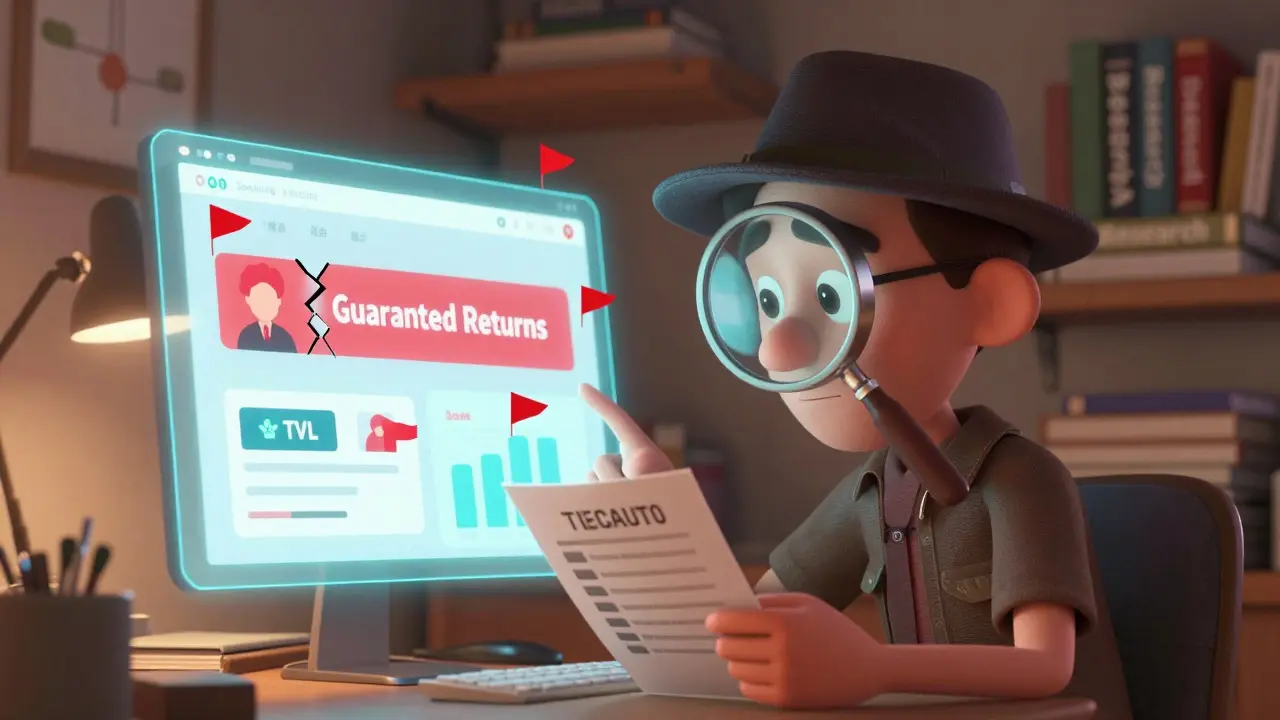
Without concrete data on OpenSwap, we can apply general safety heuristics used by security experts to evaluate unknown platforms. If the site you are visiting matches any of the following descriptions, it is highly probable that it is a scam or a poorly managed venture.
- Anonymous Teams: Does the website list a CEO, CTO, or founding team with verifiable LinkedIn profiles? Most scams hide behind generic avatars or stock photos.
- Guaranteed Returns: No legitimate exchange guarantees profit. If they promise fixed daily yields (e.g., "1% daily return"), it is likely a Ponzi scheme.
- Pressure Tactics: Are you being urged to deposit immediately via Telegram or WhatsApp by a "support agent"? Real exchanges use official ticketing systems within their apps.
- Poor Website Quality: Check for spelling errors, broken links, and HTTPS certificates. While scammers are getting better, many still slip up with basic web design flaws.
- Lack of Smart Contract Audits: If it is a decentralized exchange (DEX), where are the audit reports from firms like CertiK or Hacken? Without these, your code is vulnerable to hacks.
If OpenSwap fails these checks, the risk of losing your principal investment is extremely high. Remember, once crypto is sent to a scam address, it is rarely recoverable.
The Safe Alternatives: Where You Should Trade Instead
Since OpenSwap lacks the track record necessary for trust, why take the risk? The crypto market in 2026 is mature, offering dozens of secure, regulated, and liquid alternatives. Whether you prefer the ease of a centralized exchange (CEX) or the self-custody of a decentralized exchange (DEX), there are proven options that prioritize your security.
Best Centralized Exchanges (CEX)
Centralized exchanges act as intermediaries. They hold your keys, provide customer support, and offer easy fiat on-ramps. These are ideal for beginners who want simplicity and insurance.
| Exchange | Key Feature | Fees | Security Rating |
|---|---|---|---|
| Uphold | Cross-asset trading (Crypto & Metals) | 0.2% - 2.95% | High (Radical Transparency) |
| Gemini | Regulatory compliance & ease of use | 0.03% - 3.49% | Very High (NerdWallet 4.3/5) |
| Coinbase | Largest US-listed exchange | Variable (Spread-based) | High (Publicly traded) |
Uphold is a diversified exchange allowing swaps between crypto, stocks, and precious metals with real-time reserve updates. Their commitment to showing liabilities every 30 seconds builds immense trust. Similarly, Gemini is a highly regulated US-based exchange known for strict compliance and strong customer protection measures. Both platforms are far safer bets than an unknown entity like OpenSwap.
Best Decentralized Exchanges (DEX)
If you want control over your private keys, DEXs are the way to go. You connect your wallet (like MetaMask) and trade directly on-chain. There is no middleman, but you must ensure the protocol is battle-tested.
- Uniswap: The king of Ethereum trading. With over $4 billion in TVL, it offers deep liquidity and minimal slippage for major pairs. It is open-source and fully audited.
- PancakeSwap: The top choice for BNB Smart Chain users. With over $2 billion in TVL, it offers lower gas fees than Ethereum while maintaining high security standards.
- Curve Finance: Specializes in stablecoin swaps. If you are moving between USDT, USDC, and DAI, Curve provides the best rates with minimal price impact.
- dYdX: Ideal for derivatives trading. With over $350 million in TVL, it allows you to trade perpetuals without handing over custody to a central server.
These platforms have survived multiple market cycles. Their smart contracts have been tested by millions of users and hundreds of auditors. OpenSwap, by contrast, has no such history.
How to Verify Any New Crypto Platform
Let’s say you find another new platform next month. How do you vet it before trusting it with your money? Use this checklist.
- Check Domain Age: Use tools like WHOIS to see when the website was registered. If it was created last month, it is too new to be trusted with large sums.
- Search for Independent Reviews: Don’t just read the blog on their site. Look for discussions on Reddit, Twitter (X), and Trustpilot. Be wary of bot-generated positive reviews.
- Verify Social Media Presence: Click through to their Discord or Telegram. Are there real people asking questions? Or is it just bots posting "To the moon!" messages?
- Look for Audit Reports: For DEXs, find the link to their smart contract audit. Read the executive summary. Were there critical vulnerabilities? Were they fixed?
- Test with Small Amounts: Never invest your life savings on day one. Start with $10. Try to withdraw it. If withdrawal is delayed or blocked, you have found your answer.
Conclusion: Play It Safe
The allure of a new, shiny exchange is understandable. Maybe OpenSwap promises lower fees or exclusive tokens. But in crypto, security comes first. Profitability means nothing if your funds are locked out or stolen by hackers. Given the lack of data, regulatory standing, and community trust surrounding OpenSwap, the rational move is to avoid it.
Stick to the giants. Use Uphold for diversified assets, Gemini for regulated US trading, or Uniswap for decentralized freedom. These platforms have earned their place through years of reliability. Don’t gamble your portfolio on a ghost. Your future self will thank you for choosing safety over speculation.
Is OpenSwap a scam?
While not definitively proven as a scam, OpenSwap exhibits many characteristics of high-risk or fraudulent platforms, including a lack of verifiable data, anonymous team members, and absence from major crypto rankings. Until it establishes a transparent track record, it should be treated with extreme suspicion.
What is the difference between OpenSwap and OpenXSwap?
OpenXSwap (OPENX) is a specific token project with limited liquidity and high volatility, whereas OpenSwap is often cited as a potential exchange name. They are likely unrelated, but both lack the credibility of major market players. Confusing the two can lead to investing in illiquid assets.
Which crypto exchange is safest for beginners in 2026?
For beginners, centralized exchanges like Gemini, Coinbase, or Uphold are the safest options. They offer user-friendly interfaces, customer support, and regulatory compliance. Uphold is particularly noted for its transparency regarding reserves.
Can I trust decentralized exchanges (DEXs)?
Yes, but only established ones like Uniswap, PancakeSwap, and Curve. These platforms have billions in Total Value Locked (TVL) and undergo regular smart contract audits. Always verify the URL to avoid phishing sites.
How do I check if a crypto exchange is legitimate?
Check for domain age, independent user reviews on Reddit and Trustpilot, public team profiles, and smart contract audit reports. If an exchange promises guaranteed high returns or pressures you to deposit quickly, it is likely a scam.
What is TVL and why does it matter?
Total Value Locked (TVL) represents the total amount of assets deposited in a protocol. A higher TVL generally indicates greater liquidity, stability, and user trust. Platforms with low or zero TVL, like many unknown exchanges, pose a higher risk of insolvency or failure.
Are there any hidden fees on OpenSwap?
Since OpenSwap lacks transparent fee structures and public documentation, hidden fees are a significant possibility. Many shady platforms charge excessive withdrawal fees or manipulate spreads to profit from users. Established exchanges clearly display their fee schedules.

Andrew Schneider
July 25, 2026 AT 22:54Oh please, another article telling us to stick to the 'safe' giants like Coinbase who have rug-pulled more users than any scam site in history. 🙄 The whole point of crypto is taking risks for massive rewards, not hiding under the bed with Gemini. OpenSwap might be a ghost, but so was Bitcoin in 2010 and look where we are now. You guys are just scared of missing out on the next big thing because you can't spell 'decentralization'. 🚀💎
Anuj Kashyap
July 26, 2026 AT 11:22It is fascinating how humans cling to established structures even when those structures are inherently flawed. The fear of the unknown drives us back to centralized exchanges, yet we ignore the systemic risks they pose. Perhaps the real scam is the illusion of safety provided by regulated entities that still freeze accounts at will. 😌
Korn Arrieta
July 27, 2026 AT 09:44The data is clear and your emotional attachment to obscure tokens is pathetic. If it's not on CoinGecko, it doesn't exist. Stop trying to convince yourself that obscurity equals opportunity. It equals fraud. Read the section on anonymous teams again. It applies to every single one of you degens.
Jackie D
July 28, 2026 AT 17:09i mean yeah, but what if open swap is just really private?? like, maybe they dont want to show their faces bc they are hackers or something cool? i feel like the article is too harsh. we should give them a chance to prove themselves instead of just calling names. also uphold fees are kinda high tbh.
Ruth Williams
July 30, 2026 AT 08:40One must possess a certain level of intellectual discipline to avoid such pedestrian traps. The masses flock to these unverified platforms because they lack the education to understand basic security protocols. Stick to the audited contracts. It is the only rational choice for a sophisticated investor.
Sophie Nakasako
July 31, 2026 AT 16:06I totally get why people are drawn to new platforms! The excitement of discovering something early is addictive. But let's keep our heads straight and protect our hard-earned money. Uniswap has been my go-to for years because I know exactly where my funds are. Has anyone here tried Curve Finance lately? I think the stablecoin swaps are incredibly efficient right now!
Kristy Morrow
August 2, 2026 AT 14:14you say safe but safe is boring. safe is losing value to inflation. open swap sounds like freedom. who needs audits when you have vibes? vibes are all that matter in this market. trust the process or get left behind. simple as that.
John Harman
August 4, 2026 AT 00:51Look, I've been trading since 2013. I've seen thousands of these 'new' exchanges pop up. They all follow the same pattern: hype, deposit, disappear. OpenSwap fits the profile perfectly. No TVL, no audits, no team. It's not even worth the gas fee to check the contract. Just use Binance or Kraken and stop looking for shortcuts.
Antony Lopez
August 5, 2026 AT 14:47Typical foreign scam operation trying to drain American wallets. We need stricter regulations here in the US to ban these offshore entities immediately. Why do we allow these digital casinos to operate without oversight? It's an insult to our financial sovereignty. Stick to US-based exchanges like Coinbase or Gemini.
Kat Barr
August 7, 2026 AT 12:48Wow!! This article is so helpful!!! I was actually thinking about trying OpenSwap because an influencer told me it was gonna moon!! But reading this makes me feel so much better about sticking to the big guys!!! Thank you for saving my portfolio!!! 🙏✨🚀
Logan Edmison
August 7, 2026 AT 18:46its funny how ppl talk about scams like its a bad thing. the whole system is a scam. banks steal ur money through interest rates. exchanges steal it through fees. open swap just does it faster. maybe thats progress? idk just throwing ideas out there.
Michelle Walker
August 9, 2026 AT 05:22Stop whining. Check the domain age. If it's less than six months, delete your browser history. It's that simple. Most of you are too lazy to do basic due diligence. Don't come crying to Reddit when your keys are gone.
Shay Thomson
August 10, 2026 AT 12:54Let's try to find common ground here! We all want to make money, right? Instead of attacking each other, let's share tips on how to verify new platforms. Maybe we can create a community checklist for vetting exchanges. Peace and profit to all! 🕊️💰
DJ Maleko
August 12, 2026 AT 07:14I saw a tweet from someone claiming they made 500% on OpenSwap last week. Obviously fake, but it shows the psychological manipulation at play. They target your greed directly. I always check Etherscan first. If the contract isn't verified, run. Always run. 🏃♂️💨
Erika Pozzetto
August 12, 2026 AT 08:35It is imperative that we consider the broader implications of decentralization versus centralization. While the allure of autonomy is strong, the lack of recourse in decentralized systems poses significant challenges for the average user. Therefore, until regulatory frameworks are established, prudence dictates the use of established centralized entities.
Russ Fincham
August 12, 2026 AT 18:37The technical analysis here is sound. However, the social engineering aspect is often overlooked. Scammers don't just hack code; they hack people. They use urgency and exclusivity. OpenSwap likely uses these tactics. Be skeptical of anything that feels 'too good to be true' because it almost always is.