DeFi Protocols: How Decentralized Finance Works and What You Can Do With Them
When you hear DeFi protocols, software systems on blockchains that let you lend, borrow, trade, and earn interest without banks. Also known as decentralized finance, they’re the backbone of crypto finance today. Unlike banks, these systems run on code—no middlemen, no approvals, no hidden fees. You interact directly with smart contracts using your wallet. That’s the whole point: control, transparency, and access for anyone with an internet connection.
But not all DeFi protocols are the same. Some, like Aave, a lending platform that adjusts interest rates based on how much crypto is being used, focus on borrowing and lending. Others, like Compound, a protocol that rewards users for supplying crypto to liquidity pools, are built for earning passive income. Then there are protocols designed for trading—like decentralized exchanges (DEXs)—that let you swap tokens without a central authority. These aren’t just tools; they’re financial infrastructure built on public blockchains, and they’re changing how money moves.
DeFi protocols rely on three core things: liquidity, incentives, and security. Without enough people putting crypto into the system, you can’t borrow or earn. That’s why protocols offer rewards—called yield farming—to attract users. But high rewards often mean high risk. If the code has a bug, or if the token behind it has no real demand, your money can vanish. That’s why knowing how a protocol works matters more than chasing the highest APY. Look at how long it’s been live, who audits its code, and whether the tokens it uses are actually used in real applications—not just speculation.
You’ll find posts here that cut through the noise. Some explain how DeFi protocols calculate interest rates in real time, like Aave and MakerDAO do. Others break down why some yield farming opportunities collapse overnight. There are reviews of exchanges built for DeFi traders, like Shadow Exchange v2, and deep dives into scaling solutions like ZK-rollups that make DeFi cheaper and faster. You’ll also see warnings about dead tokens and fake airdrops that pretend to be part of DeFi ecosystems but are just traps.
What you won’t find here are hype-driven guides promising 10x returns. What you will find are clear, no-fluff explanations of how these systems actually work, who they serve, and what you need to know before you interact with them. Whether you’re trying to earn interest on your stablecoins, trade tokens without a middleman, or just understand why DeFi keeps popping up in crypto news—this collection gives you the facts, not the fairy tales.
Top DeFi Protocols by Total Value Locked in 2025
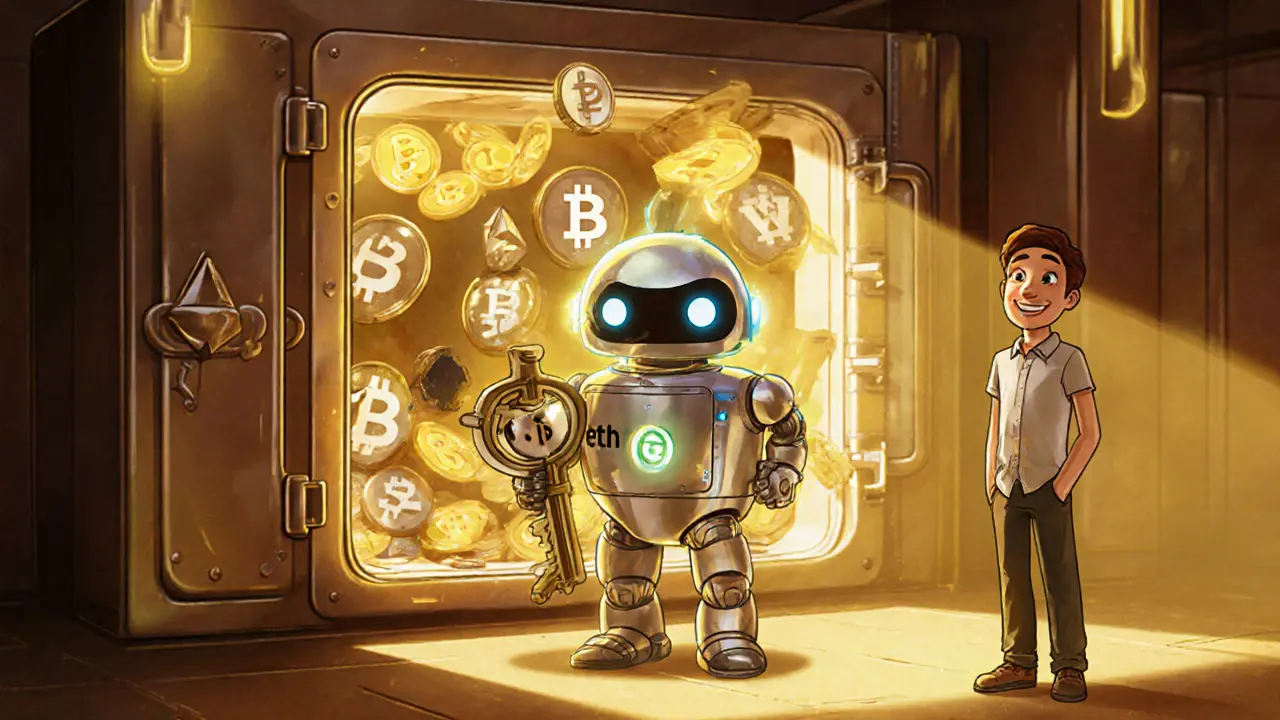
Discover the top DeFi protocols by Total Value Locked (TVL) in 2025, including Lido, Aave, MakerDAO, Uniswap, and Curve. Learn what TVL really means, how it's calculated, and why it's not the whole story behind DeFi's health.
- January 23 2025
- Terri DeLange
- 10 Comments