FarmHero NFT Gaming
When you hear FarmHero NFT gaming, a blockchain-based game where players grow crops, raise animals, and earn tradable NFTs through play. Also known as play-to-earn farming games, it turns everyday virtual chores into real digital assets you can sell or trade. Unlike regular mobile games where your progress dies when you uninstall, FarmHero NFT gaming gives you actual ownership—your crops, tools, and land exist as NFTs on a blockchain, not just in a server file.
This isn’t just about collecting cute pixel animals. It’s built on NFT tokenomics, the economic rules that determine how digital items gain, lose, or keep value within a game. If the game’s token supply grows too fast, your harvested wheat NFT might drop in price overnight. If too few people play, the marketplace dries up and your rare tractor NFT becomes a digital paperweight. That’s why most FarmHero-style games fail—they focus on flashy graphics but ignore the real engine: sustainable incentives. The ones that last, like the early versions of Axie Infinity or Thetan Arena, tied rewards to real demand, limited token inflation, and gave players actual governance rights.
What makes FarmHero NFT gaming different from other NFT games? It’s the rhythm. While most NFT games demand daily logins and grinding, FarmHero leans into real-world pacing. You plant seeds, wait hours or days for them to grow, then harvest. That delay isn’t a bug—it’s a feature. It stops players from burning out, reduces bot spam, and makes the rewards feel earned. It also means you can’t just buy your way to the top. If you don’t have time to wait for your corn to mature, you can’t just pay someone to do it for you—unless the game lets you rent out your land as an NFT, which some do.
Behind every FarmHero-style game is a blockchain gaming, a category of digital games that use decentralized ledgers to verify ownership, trades, and rewards. Most run on Ethereum, BSC, or Solana because they’re fast and cheap enough for frequent small transactions. But even then, gas fees can kill the experience. That’s why some FarmHero clones moved to custom chains or sidechains—just to keep the cost of planting a single seed under a penny. And that’s where things get tricky. If the game’s blockchain is too niche, you can’t easily cash out. If it’s too popular, fees spike again. It’s a tightrope walk.
What you’ll find in the posts below aren’t just reviews of FarmHero clones. You’ll see real case studies: which NFT farming games actually paid out, which ones vanished after the airdrop, and how players turned idle time into income—or lost everything chasing hype. Some posts dig into the tech behind the scenes. Others expose scams hiding behind cute farm animals. One even shows how a group of players in the Philippines used FarmHero NFT gaming to replace their daily wages during a lockdown. This isn’t fantasy. It’s a growing, messy, real-world experiment in ownership, time, and value.
HERO Airdrop by FarmHero: What’s Real, What’s Dead, and What to Watch For
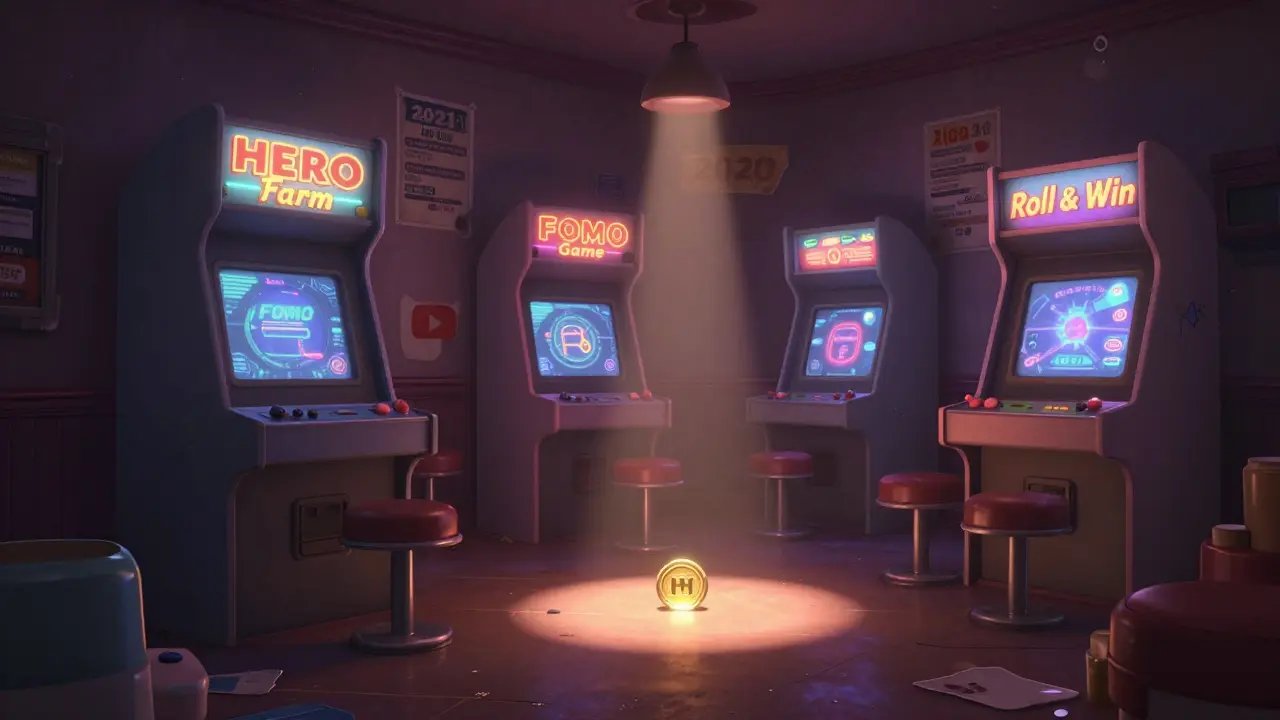
No active HERO airdrop exists from FarmHero as of 2025. The project has been inactive since 2021 with zero trading volume. Learn why it failed, how to spot scams, and what real airdrops look like today.
- December 4 2025
- Terri DeLange
- 16 Comments