Generative NFT: What They Are, How They Work, and Why They Matter
When you hear generative NFT, a digital asset created by code that produces unique, randomized artwork each time it’s minted. Also known as algorithmic art, it’s not drawn by an artist—it’s born from rules written in code. This isn’t just a trend. It’s a new way to create art at scale, where every piece is different, owned on the blockchain, and often tied to a community or utility. Unlike static NFTs that show the same image forever, generative NFTs use randomness to build collections where no two are alike. Think of it like a digital slot machine that spits out a one-of-a-kind avatar, background, accessory set—all decided by code, not a designer’s brush.
These NFTs rely on three core things: layers, traits, and rarity. Layers are the building blocks—like hats, eyes, shirts. Traits are the variations within each layer—maybe 10 types of eyes, 5 types of hats. And rarity? That’s how often each trait shows up. A glowing alien eye might appear in only 1% of the collection. That’s what makes one NFT worth more than another. Projects like CryptoPunks, the original generative NFT collection on Ethereum, created in 2017 with 10,000 unique pixel art characters and Bored Ape Yacht Club, a later hit that added utility like membership access and royalties proved this model could work. But not all do. Most generative NFT projects die within months. The ones that last? They didn’t just make art—they built identity, community, and sometimes real-world perks.
Generative NFTs also need the right tech stack. They’re built using tools like HashLips, Art Blocks, or custom scripts on Ethereum, Solana, or Polygon. The code runs once to generate all 10,000 pieces, then stores metadata on IPFS. The actual images? Usually not stored on-chain. That’s why some look blurry or load slow. But the ownership? Always on the blockchain. And that’s what matters. You’re not buying a JPEG—you’re buying a verifiable, unique claim to something digital that no one else can copy.
What you’ll find below isn’t just a list of NFT projects. It’s a real-world look at what worked, what didn’t, and how people actually made money—or lost it—using generative NFTs. Some posts show you how to spot scams hiding behind flashy art. Others explain how to earn tokens just by holding a generative NFT. A few even break down the code behind the magic. This isn’t theory. It’s what happened on the ground, with real wallets, real trades, and real consequences.
TAUR Generative NFT Collection by Marnotaur: Airdrop Details and How to Qualify
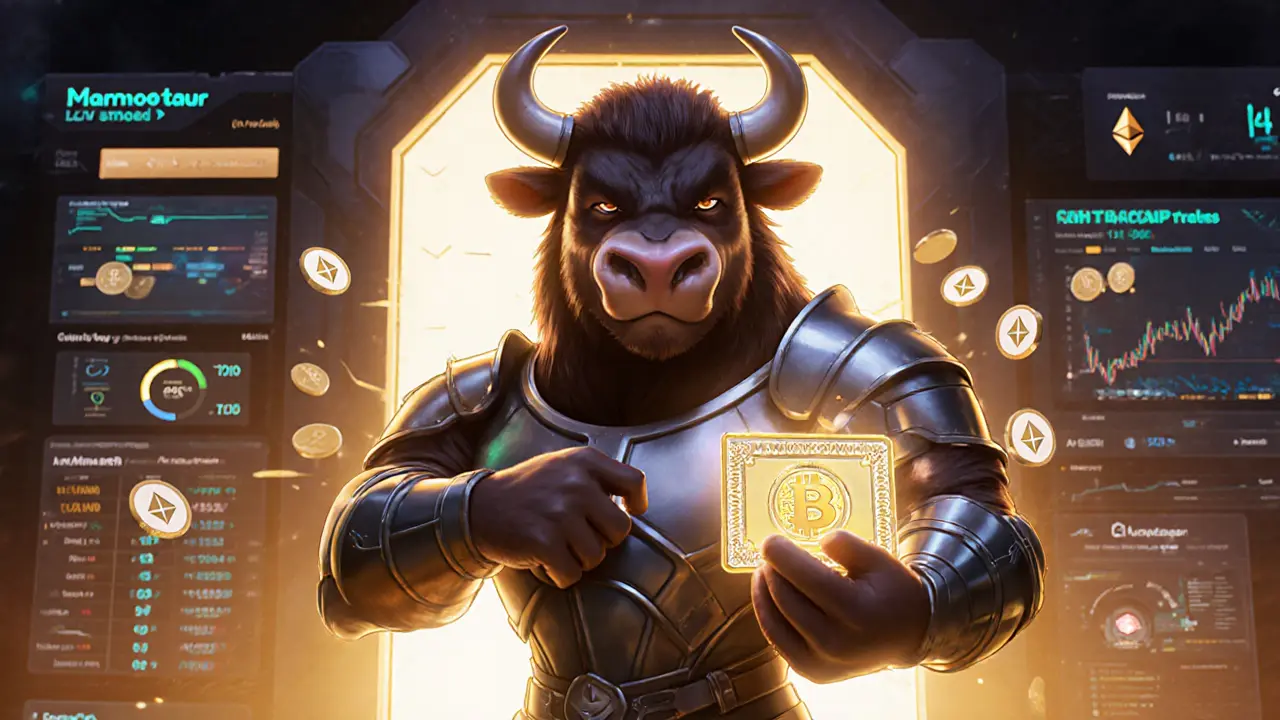
The TAUR NFT collection by Marnotaur offers weekly profit-sharing rewards for holders who own both an NFT and $500 in TAUR tokens. Learn how it works, where to buy, and what risks to watch.
- March 20 2025
- Terri DeLange
- 12 Comments