MakerDAO: The Decentralized Finance System Behind DAI Stablecoin
When you hear MakerDAO, a decentralized autonomous organization that manages the DAI stablecoin through smart contracts on Ethereum. Also known as the engine behind DAI, it lets people borrow stablecoins without a bank—just by locking up crypto as collateral. Unlike centralized stablecoins like USDT or USDC, DAI isn’t backed by a company holding cash in a vault. It’s backed by crypto, governed by code, and controlled by thousands of token holders voting on changes. This makes MakerDAO one of the oldest and most trusted systems in DeFi.
At its core, MakerDAO runs on collateralized debt positions, a system where users lock up assets like ETH or BTC in smart contracts to generate DAI loans. If you deposit $200 worth of ETH, you can borrow up to $100 in DAI (depending on the collateral ratio). If ETH drops too far, your position gets liquidated to protect the system. This isn’t speculation—it’s a mechanical, rules-based lending platform that’s been running since 2017. The MKR token, the governance token that lets holders vote on risk settings, fees, and system upgrades. doesn’t pay dividends. It’s a voting tool. People who care about the health of DAI use MKR to steer the system—like shareholders in a company, but without CEOs or boards.
MakerDAO isn’t about getting rich quick. It’s about building financial tools that work without permission. That’s why it shows up in posts about crypto lending, stablecoin stability, and DeFi security. You’ll find guides here on how to safely generate DAI, what happens during market crashes, and why some users treat it like a savings account instead of a trading tool. You’ll also see warnings about risky collateral choices and how to avoid liquidation traps. This isn’t a hype-driven space—it’s a working system that’s survived bear markets, black swan events, and hacker attempts. If you want to understand how decentralized finance actually functions in practice, MakerDAO is where you start.
How Interest Rate Models Work in DeFi Lending Protocols
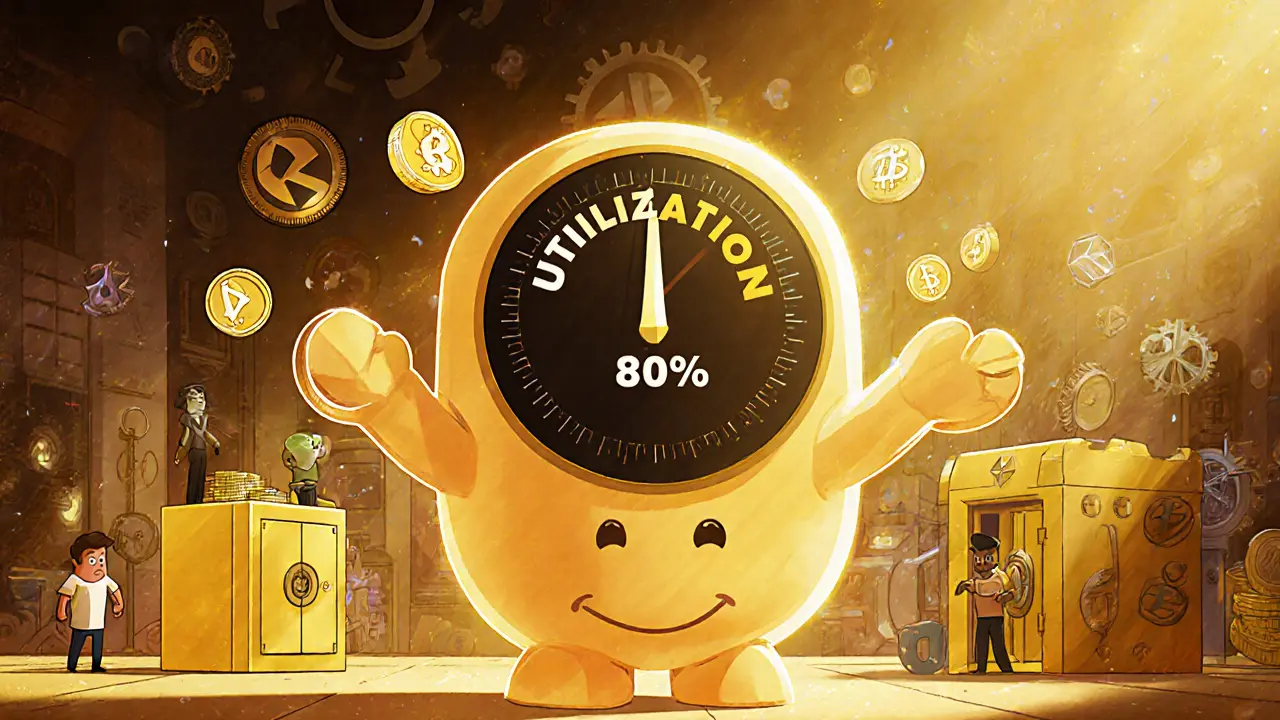
DeFi lending uses algorithmic interest rate models based on utilization rates to balance supply and demand. Learn how Aave, Compound, and MakerDAO calculate rates, why they spike, and how to use them safely.
- August 27 2025
- Terri DeLange
- 11 Comments
Top DeFi Protocols by Total Value Locked in 2025

Discover the top DeFi protocols by Total Value Locked (TVL) in 2025, including Lido, Aave, MakerDAO, Uniswap, and Curve. Learn what TVL really means, how it's calculated, and why it's not the whole story behind DeFi's health.
- January 23 2025
- Terri DeLange
- 10 Comments