Solana DeFi: Top Protocols, Rewards, and How to Use Them in 2025
When you hear Solana DeFi, a collection of decentralized finance applications built on the Solana blockchain that enable fast, low-cost trading, lending, and earning of crypto assets. Also known as Solana ecosystem DeFi, it’s one of the few places where you can swap tokens, stake your crypto, or earn yield without paying $50 in gas fees. Unlike Ethereum, where transactions often stall and cost more than the trade itself, Solana DeFi moves at internet speed—sub-second trades, fees under a penny, and no waiting around for confirmations.
This isn’t just about speed. Solana blockchain, a high-performance public blockchain designed for scalability without sacrificing decentralization or security. Also known as Solana network, it uses a unique proof-of-history consensus that timestamps transactions before they’re processed lets DeFi apps run like native software, not afterthoughts. That’s why platforms like Serum, Raydium, and Phantom Wallet built their entire business on it. And it’s not just traders—yield farmers, liquidity providers, and even NFT collectors use Solana DeFi because it actually works when you need it to.
DeFi protocols, decentralized platforms that offer financial services like lending, borrowing, and trading without banks or middlemen. Also known as blockchain-based financial apps, they’re the engines behind Solana DeFi. You’ll find lending pools where you can earn 5-10% APY on stablecoins, automated market makers that swap tokens instantly, and staking systems that reward you just for holding. But not all are equal. Some are backed by real usage and audits; others are just hype with a new token name. The ones that last? They solve real problems—like making cross-chain swaps cheap, or letting you earn without locking your funds for months.
And then there’s the money side. Solana tokens, native cryptocurrencies like SOL, SRM, and RAY that power transactions, governance, and rewards within the Solana DeFi ecosystem. Also known as Solana ecosystem tokens, they’re not just speculative assets—they’re the fuel that keeps the system running. You need them to pay fees, vote on upgrades, or unlock bonus rewards. But don’t chase the next meme token—focus on tokens tied to actual usage. If a protocol doesn’t have daily active users, it doesn’t matter how big its token supply is.
What you’ll find in these posts isn’t theory. It’s real-world breakdowns of what works and what doesn’t. You’ll see how people actually earn rewards on Solana DeFi—not through airdrops that vanish, but by providing liquidity, staking, or using apps that pay in real value. You’ll learn which platforms have real security, which ones are just pretending, and how to avoid losing money to scams that look like opportunities. This isn’t about chasing hype. It’s about understanding what’s built to last.
What is Sunny Side Up (SSU) crypto coin? Price, history, and why it’s nearly dead
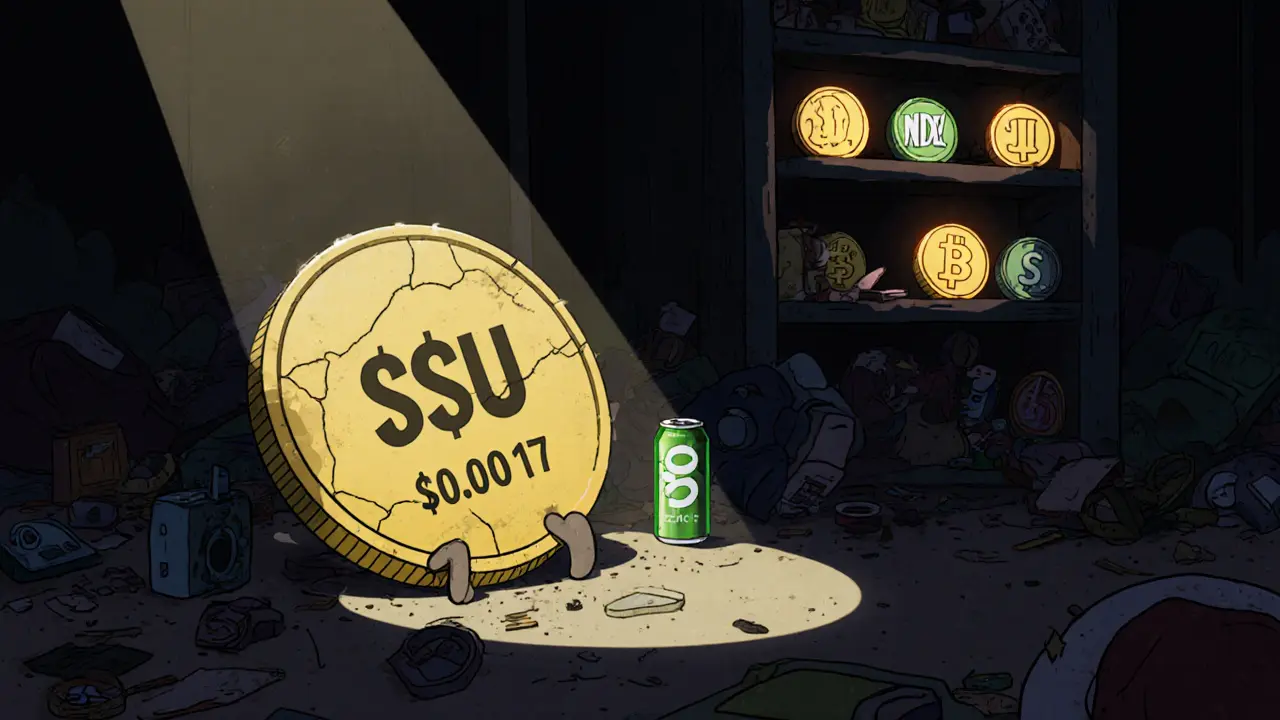
Sunny Side Up (SSU) is a nearly dead Solana-based DeFi token that crashed over 99.9% from its peak. With no liquidity, no exchange support, and zero development, it's not an investment-it's a warning.
- July 29 2025
- Terri DeLange
- 20 Comments