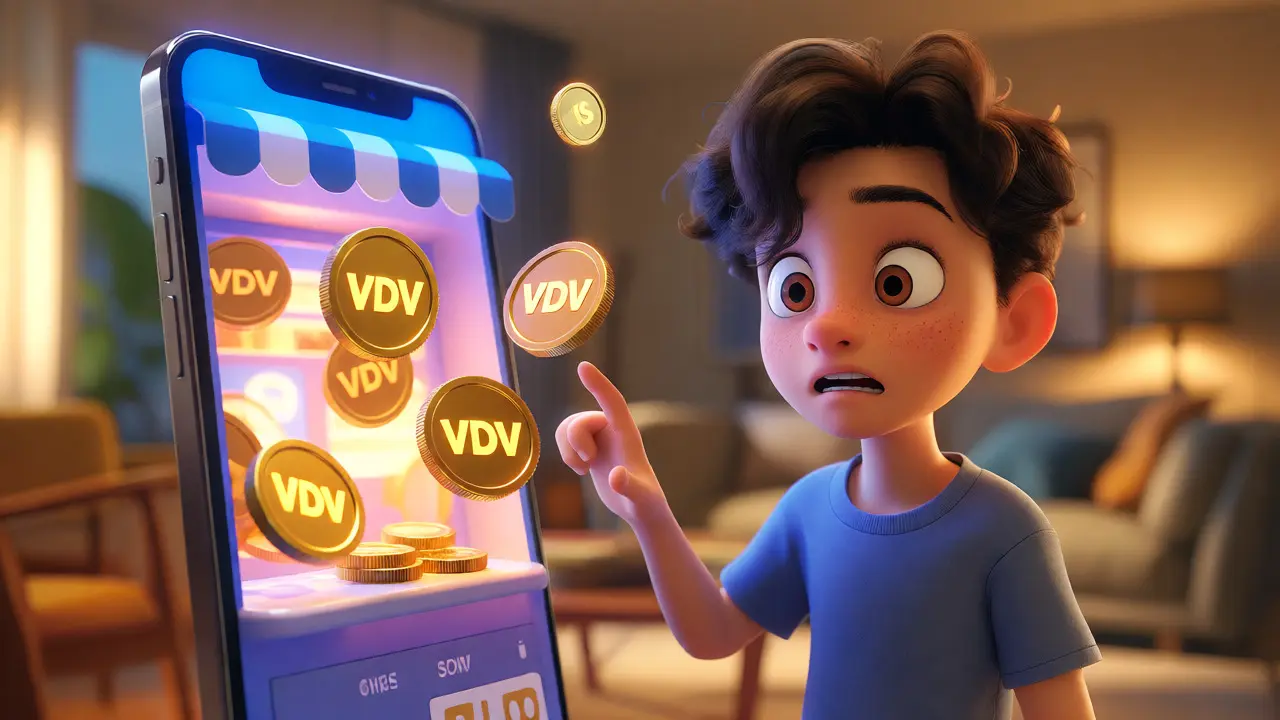
You see a notification: VIRVIA is offering free VDV tokens just for browsing their online shopping platform. It sounds too easy. You click the link, connect your wallet, and boom-your balance looks inflated with shiny new tokens. But here is the kicker: as of October 2026, there is zero credible evidence that this project exists outside of a well-orchestrated phishing campaign.
If you are hunting for the next big crypto win, you need to know why VIRVIA ONLINE SHOPPING is flagged by security firms as a high-risk scam, not a legitimate opportunity. This isn't just about missing out on gains; it's about protecting your seed phrase from being drained while you think you're farming rewards.
The Reality Check: No Blockchain Footprint
Let’s look at the data. In crypto, if a project claims to have launched a token or an airdrop, it leaves a trail on the blockchain. We checked Etherscan and Solscan-the two biggest ledgers for Ethereum and Solana transactions. As of late 2025 and into 2026, there are no verified contract deployments for a "VDV" token linked to a reputable entity named VIRVIA.
Legitimate projects like Monad or Hyperliquid publish their contract addresses, audit reports, and GitHub repositories months before an airdrop. VIRVIA? Nothing. Nansen, a leading blockchain analytics firm, confirmed in their Q4 2025 report that they found no developer activity, no funding rounds, and no community growth metrics for any project using the VIRVIA name. If the code doesn't exist, the token doesn't exist. And if the token doesn't exist, the airdrop is a mirage.
Why "Shopping" Airdrops Are the New Bait
Scammers are smart. They know that complex DeFi protocols scare off casual users. So, they pivot to things people understand: shopping. According to Chainalysis' 2025 Crypto Crime Report, fake e-commerce airdrops made up 31% of all airdrop-related fraud. The average victim lost $785 trying to claim these "free" rewards.
The pattern is predictable. You visit a site that looks like a standard Shopify store. It sells generic goods-electronics, fashion, home decor. Then, a pop-up tells you that your purchase qualifies you for exclusive VDV tokens. Or better yet, it says you already have them waiting in your wallet. When you try to "claim" them, the site asks you to sign a transaction. That signature isn't claiming a token; it's often approving unlimited access to your funds. Once signed, bots drain your USDC or ETH instantly.
Red Flags You Can Spot Yourself
You don't need a PhD in computer science to spot these traps. Here is a quick checklist based on real cases reported on Reddit’s r/CryptoAirdrops:
- No Official Twitter/X Verification: Check the handle. Does it have a blue checkmark? Did the team announce the partnership with major exchanges like Binance or Coinbase? VIRVIA did neither.
- Domain Age Mismatch: Use a WHOIS lookup tool. The domain virvia.online was registered in September 2025. A serious project preparing for a 2026 airdrop would have been building its brand since 2024 or earlier.
- Generic Design: Look closely at the website. Immunefi’s Web3 Security Report noted that many of these sites use cloned templates with modified JavaScript specifically designed to harvest wallet credentials. If the logo looks pixelated or the links lead to broken pages, walk away.
- Seed Phrase Requests: This is the golden rule. No legitimate airdrop ever asks for your private key or seed phrase. If a site asks you to enter your 12 or 24 words to "verify" your wallet, it is stealing your identity.

What Experts and Authorities Say
It’s not just Reddit users sounding the alarm. Regulatory bodies and security firms have taken notice. The Federal Trade Commission issued Consumer Alert #2025-17, explicitly warning about "shopping platform token airdrops" and listing operations similar to VIRVIA as high-risk targets for consumers.
Marc Kenneth, CEO of Halborn, a top-tier blockchain security firm, stated in an interview that VIRVIA exhibited all 12 red flags his team uses to identify scams. He pointed out the promise of guaranteed tokens for minimal effort-a classic psychological trigger used to bypass critical thinking. Meanwhile, Consensys Diligence analyzed the code behind the phishing site and labeled it a "confirmed scam operation."
| Feature | Legitimate Project (e.g., Monad) | Fake Project (e.g., VIRVIA) |
|---|---|---|
| Blockchain Activity | Active testnet, verifiable contracts | No contract deployment found |
| Team Transparency | Public LinkedIn profiles, known backers | Anonymous team, privacy-shielded domains |
| Community Size | Growing organic Discord/Twitter presence | Bought followers, bot-like engagement |
| Claim Mechanism | Simple signature, no fund movement | Requests approvals or seed phrases |
The Financial Fallout
So, what actually happened to the money? Blockchain forensics firm Elliptic tracked wallets associated with VIRVIA-linked addresses. They discovered that approximately 18.7 ETH (valued at over $62,000 at the time) had been laundered through Tornado Cash, a privacy mixer that makes tracing funds difficult. Before the primary collection address was frozen by major exchanges, victims had already lost significant capital.
Reddit user u/CryptoSafeGuard documented a specific case where a victim lost $850 after connecting their wallet to the fraudulent site. These aren't hypothetical losses. Real people are losing real money because they assume "if it's on the internet, it must be legit." In crypto, skepticism is your best friend.
How to Farm Airdrops Safely in 2026
If you want to farm airdrops without getting burned, stick to established protocols. Projects like LayerZero, Arbitrum, and Optimism have proven track records. Here is how to approach them safely:
- Use a Burner Wallet: Never interact with new dApps using your main storage wallet. Create a fresh wallet with only enough funds for gas fees.
- Verify via Official Sources: Always go to the project’s official Twitter or Discord. Do not trust links sent via DMs or ads on social media.
- Revoke Approvals Regularly: Use tools like Revoke.cash to check which contracts have permission to spend your tokens. If you don't recognize the contract, revoke the approval immediately.
- Ignore "Guaranteed" Returns: If an airdrop promises a fixed dollar value for doing almost nothing, it’s likely a scam. Real airdrops reward consistent, meaningful interaction with a protocol.
Frequently Asked Questions
Is VIRVIA a legitimate cryptocurrency project?
No. As of October 2026, VIRVIA lacks verifiable blockchain contracts, developer activity, or credible funding history. Major security firms and regulatory bodies classify it as a high-risk scam operation targeting users with fake shopping-based airdrops.
Can I still claim my VDV tokens?
You should avoid attempting to claim VDV tokens unless you have verified the contract address on a block explorer like Etherscan. Most "claim" buttons on VIRVIA sites are phishing traps designed to steal your wallet funds rather than distribute actual tokens.
Why did VIRVIA change its domain name?
The operators migrated from virvia.shop to virvia.online following takedown requests from platforms like Shopify and increased scrutiny from security teams. Frequent domain changes are a common tactic used by scam operations to evade blacklists and continue harvesting user data.
What should I do if I connected my wallet to VIRVIA?
Immediately move any remaining funds to a new, secure wallet. Use a tool like Revoke.cash to cancel all active approvals granted to the VIRVIA contract. Monitor your wallet for any unauthorized outgoing transactions in the coming days.
Are all shopping platform airdrops scams?
Not necessarily, but they are currently a high-risk category. While some legitimate Web3 commerce projects exist, the majority of unsolicited "shopping airdrop" notifications are phishing attempts. Always verify the project’s existence on aggregators like CoinGecko or airdrops.io before interacting.
