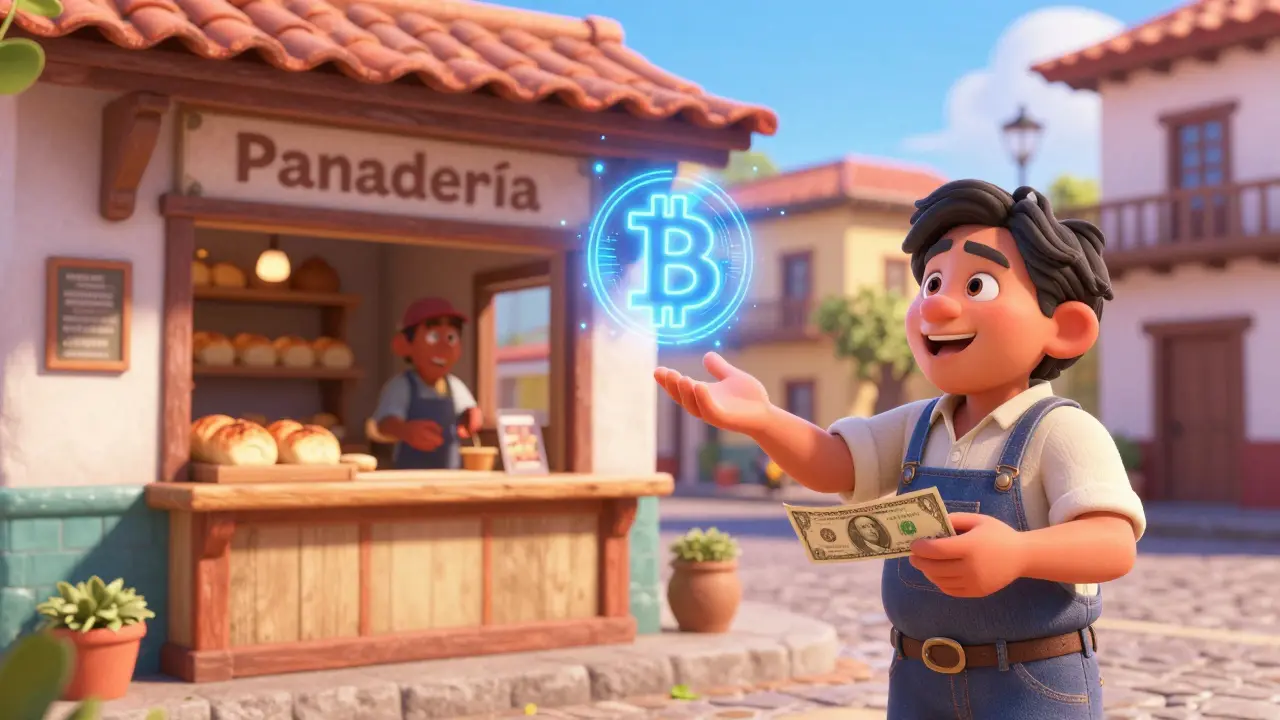
You might hear whispers about a shadowy "underground" crypto scene in Ecuador, but the reality is a bit more boring-and a lot more legal. For a while, the government played a game of cat and mouse with digital assets, even attempting to ban anything that wasn't a state-issued coin. But let's be real: you can't really ban math and the internet. Today, the underground crypto market in Ecuador isn't so much a hidden network of rebels as it is a collection of people using P2P tools to bypass traditional banking friction.
The Legal Gray Zone That Wasn't
To understand why people look for "underground" options, you have to look at where Ecuador has been. A few years back, the government tried to shut down non-state cryptocurrencies. They had this grand plan to launch their own national digital currency, but that project vanished into thin air. After that failure, the mood shifted. The government eventually clarified that buying and selling Bitcoin is a decentralized digital currency without a central authority and other tokens isn't illegal.
Here is the catch: while trading is legal, crypto is not "legal tender." You can't walk into a local panadería and pay for your bread with Satoshi. Because you can't use it for daily shopping, the market naturally splits. On one side, you have the formal exchanges, and on the other, you have the informal, P2P-driven ecosystem that feels "underground" but is mostly just people trading directly with each other.
How the "Informal" Market Actually Works
When people talk about the underground market here, they are usually referring to Peer-to-Peer (P2P) trading. Instead of using a centralized company that asks for a mountain of paperwork, users find each other through platforms like Binance P2P is a peer-to-peer marketplace that allows users to trade cryptocurrencies directly with each other using local payment methods.
In these circles, USDT (Tether) is king. Because Ecuador uses the US Dollar as its official currency, Tether is the perfect bridge. A user might pay around $50.80 to get 50 USDT, with a small commission covering the middleman. This isn't necessarily "black market" activity, but it is the primary way people move money without triggering every single alert at their local bank.
To avoid the "triangulation fraud" that plagues many P2P markets, seasoned traders only accept transfers from accounts that match the registered name on the platform. If the name on the bank transfer doesn't match the name on the app, the deal is dead. This basic security rule is what keeps the informal market from becoming a total wild west.

The Formal Side: Legal Gateways
If you aren't looking for the thrill of P2P, there are plenty of legal ways to get into the game. Many Ecuadorians use international platforms that comply with AML is Anti-Money Laundering laws designed to prevent the disguise of illegally obtained funds and KYC is Know Your Customer protocols requiring businesses to verify the identity of their clients regulations.
| Exchange | Best For | Key Feature |
|---|---|---|
| CEX.IO | All-in-one use | Comprehensive trading and earning tools |
| Gemini | Fiat Diversity | Supports USD, EUR, GBP and others |
| Bit2Me | Easy Access | Buy via credit/debit cards and bank transfers |
| LocalCoinSwap | P2P Flexibility | Over 300 different payment methods |
The Risks of Going "Off-Grid"
Why would anyone choose an underground or informal route over a licensed exchange? Usually, it's about speed, privacy, or avoiding the strictness of traditional banks. But going off-grid comes with a price. When you move away from platforms with ISO 27001 is an international standard for managing information security certifications, you're essentially trusting a stranger with your money.
The biggest danger in the informal Ecuadorian market is the scam. Since there is no central authority to appeal to when a trade goes wrong, you are reliant on the escrow service of the P2P platform. If you move the conversation off the platform to WhatsApp or Telegram, you've basically handed your keys to a thief. Professional traders always keep the transaction inside the platform's secure environment.
The Role of Education and Future Outlook
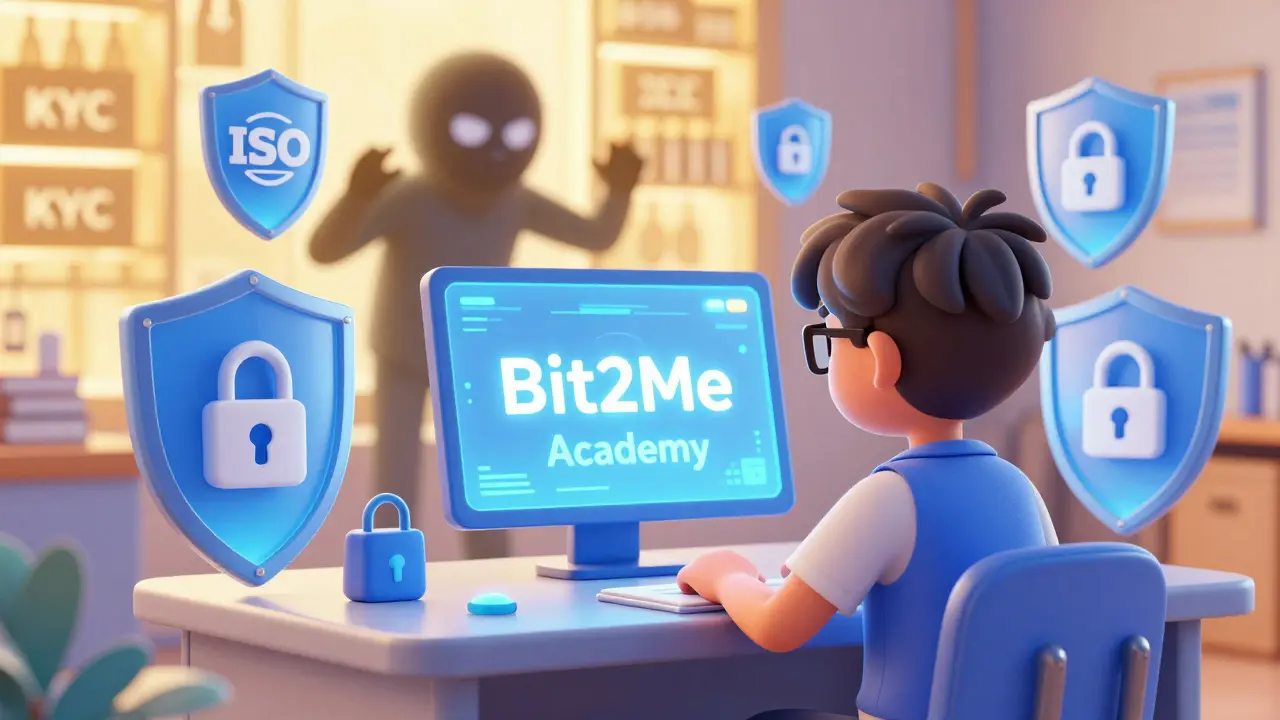
The shift from a banned market to a regulated one has led to a surge in curiosity. Instead of learning from sketchy forums, more people are turning to structured resources like the Bit2Me Academy. This is helping the market move from "underground" to "informed."
Ecuador is in a weird spot. It's not a crypto haven like El Salvador, but it's not a forbidden zone either. The most likely future isn't a total ban or a total embrace, but a steady glide toward more integration. As long as the government keeps the "not illegal to trade" stance, the P2P market will continue to thrive as a convenient alternative to the slower, more rigid banking systems.
Is it illegal to own Bitcoin in Ecuador?
No, it is not illegal. The Ecuadorian government has clarified that buying, selling, and owning cryptocurrencies is permitted. However, they are not recognized as legal tender, meaning you cannot legally use them to pay for goods or services in a store.
What is the most common way to buy crypto informally in Ecuador?
Most informal trading happens via Peer-to-Peer (P2P) platforms like Binance. Users trade local currency (USD) directly with other individuals, often using Tether (USDT) as a stable intermediary before swapping for other coins.
Are there risks to using P2P markets?
Yes. The primary risks include triangulation fraud and direct scams. To mitigate this, traders should only use the platform's internal escrow service and verify that the bank account holder's name matches the platform account.
Which exchanges are best for Ecuadorians?
CEX.IO is often cited as a top all-in-one choice. Gemini is great for those needing multiple fiat currencies, and Bit2Me is a strong option for those who want to use credit or debit cards for quick purchases.
Does the government have its own cryptocurrency?
The previous government attempted to create a state-issued digital currency and briefly banned others to make room for it, but that project never materialized and is not currently in effect.
Wrapping Up: How to Navigate the Market
If you're looking to get started, your path depends on your risk tolerance. For a smooth, secure experience, stick to the legal exchanges and be prepared to provide your ID for KYC. If you prefer the P2P route, treat every transaction like a business deal: verify the identity of the other party, never leave the platform's escrow, and always double-check the wallet address. Whether you go formal or informal, the key in the Ecuadorian market is staying informed and avoiding the "too good to be true" offers that inevitably populate the underground scene.

Erica Mahmood
April 7, 2026 AT 06:22p2p flows in dollarized economies are basically the gold standard for liquidity when banks are being mid
using usdt as a synthetic dollar is just efficient
Emma Pease-Byron
April 8, 2026 AT 22:09How quaint that some still view peer-to-peer trading as "underground." It is merely the logical result of institutional incompetence.
Arlen Medina
April 10, 2026 AT 02:23USA does it better anyway! Our markets actually have real volume and not just people swapping Tether in a basement! Who needs an "informal market" when you have the best financial system on the planet!
Sharhonda Walker
April 11, 2026 AT 19:36I’ve seen people get scammed on those P2P platforms because they dont check the bank names properly. Always double check the identity or you lose your funds fast!
Matthew Wright
April 12, 2026 AT 02:11The use of USDT as a bridge in a dollarized economy is a fascinating case study!!! It really highlights the friction between legacy banking and DeFi!!!
Evan Borisoff
April 13, 2026 AT 19:55The sheer inefficiency of these South American regulatory frameworks is a testament to why the American model of capital markets, underpinned by the unmatched stability of the US Treasury and a robust legal infrastructure for asset recovery, remains the global benchmark, especially when you consider that the reliance on USDT is essentially just a proxy for the US Dollar anyway, meaning these people are just trying to mimic the strength of the American economy while pretending to be decentralized in a way that would be laughed at by any serious Wall Street analyst who understands how liquidity actually aggregates in a high-trust environment.
Sonya Bowen
April 14, 2026 AT 13:59Decentralization is a tool for freedom.
Arwyn Keast
April 15, 2026 AT 07:01Absolute shambles. Relying on Tether-a centralized liability-to achieve "decentralization" is a joke. The lack of proper regulatory oversight is precisely why these markets remain stunted and primitive compared to the City of London.
Krystal Moore
April 15, 2026 AT 09:00Omg, the fact that the government tried to ban crypto and then just... stopped? That is such a mess. I can't even imagine the chaos of trying to use a state-issued coin that doesn't even exist!
Susan Wright
April 17, 2026 AT 02:53If you're new to this, just stick to the big exchanges like CEX.IO for a while. It's way less stressful than worrying about a stranger on WhatsApp stealing your money.
Carol Prates
April 17, 2026 AT 16:27Wait, the triangulation fraud part is actually terrifying! Imagine thinking you're doing a legit trade and then your bank account gets flagged for something you didn't even do. That's just a nightmare scenario!
Taylor Meadows
April 19, 2026 AT 06:21Most of you are just ignoring the spiritual void that leads you to chase digital numbers. You think a P2P trade solves your problems, but you're just trading one master for another.
Adriana Gurau
April 19, 2026 AT 20:28P2P is for people who can't handle a simple KYC process 🙄 it's honestly so tedious that some people think it's "rebellious" when it's just lazy. 💅
June Coleman
April 20, 2026 AT 19:01Oh sure, because trusting a random person on the internet with your life savings is a "great business deal." I'm sure it works out perfectly for everyone!
Carmelita Gonzales
April 22, 2026 AT 18:44it is interesting to see how different cultures adapt to these tools to make life easier for the community
Nicholas Whooley
April 23, 2026 AT 13:01It is truly encouraging to see people seeking education through academies to better understand these complex systems. I believe this path toward knowledge will benefit everyone involved.
alex rodea
April 24, 2026 AT 03:33Just be safe guys. Use the escrow and don't trust anyone too much. You got this!