Remember when Fantom was the place to be for high yields? Back in 2021 and early 2022, the chain was buzzing with billions of dollars in Total Value Locked (TVL). Today, the landscape looks very different. If you are looking at Curve (Fantom), a decentralized exchange deployment on the Fantom Opera network, you might be wondering if it still holds up. The short answer is yes, but only for specific tasks. It is no longer the volume giant it once was. Instead, it serves as a specialized tool for efficient stablecoin swaps and low-cost yield farming for users already active on the Fantom ecosystem.
What Is Curve (Fantom)?
To understand Curve on Fantom, you first need to know what Curve Finance is. Founded by Michael Egorov and launched on Ethereum in January 2020, Curve Finance is a decentralized automated market maker (AMM) designed specifically for swapping assets that have similar values, like stablecoins or wrapped tokens. Unlike generic AMMs that use a constant product formula (which causes high slippage when swapping similar assets), Curve uses a unique StableSwap invariant. This math keeps the price curve flat near the peg, meaning you can swap $10,000 of USDC for DAI with almost zero price impact.
The "Curve (Fantom)" instance is not a separate company or a new protocol. It is the exact same open-source smart contracts deployed on the Fantom Opera mainnet, a Layer-1 blockchain known for its Lachesis consensus algorithm and Directed Acyclic Graph (DAG) structure. This deployment happened in 2021. Because Fantom is EVM-compatible (meaning it understands Solidity code just like Ethereum), Curve could port its contracts easily. The goal was simple: give Fantom users the deep, low-slippage liquidity of Curve without paying Ethereum’s often prohibitive gas fees.
Current State: Volume, Pairs, and Liquidity
If you check the stats today, the numbers tell a story of contraction from the peak years. According to recent market data aggregators, Curve (Fantom) lists about 10-12 coins and offers roughly 19-20 trading pairs. That sounds small compared to Ethereum, where Curve hosts hundreds of pools. However, remember that many assets appear in multiple pools (for example, FUSDT might be in a 3-pool and a 2-pool separately).
Here is the reality of the current volume:
- 24-Hour Trading Volume: Approximately $2,570 USD.
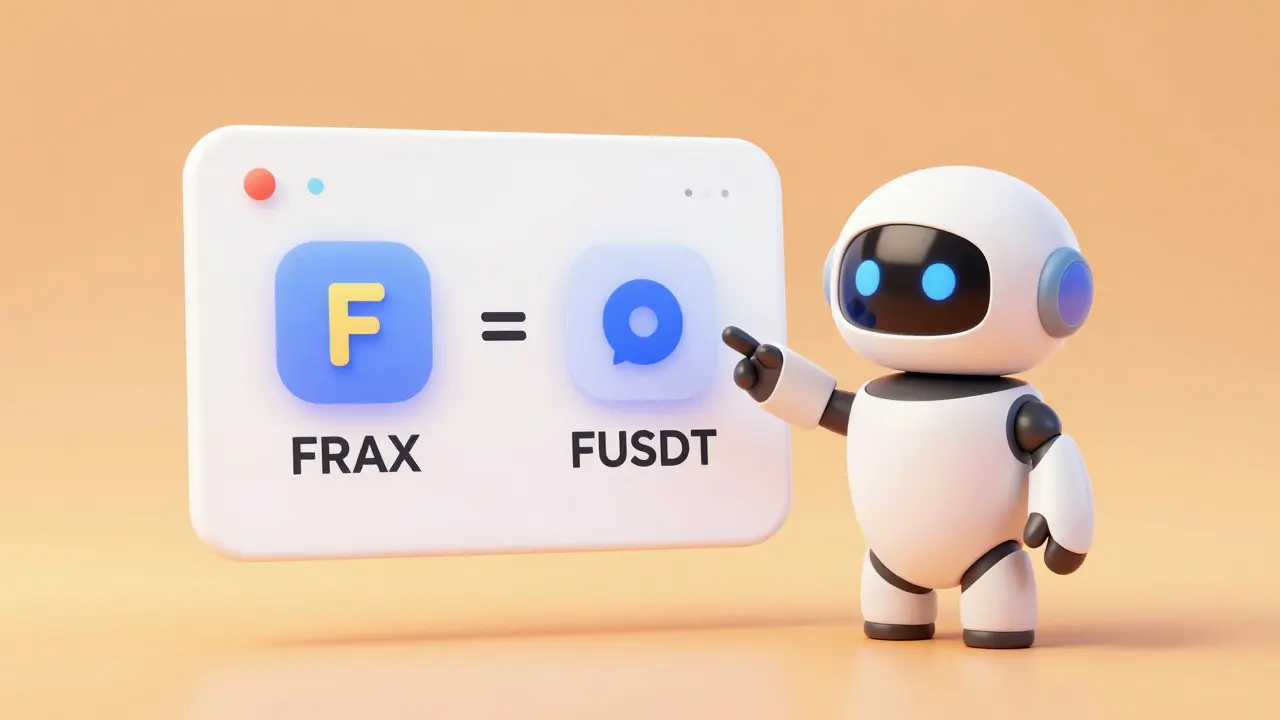
- Most Active Pair: FRAX/FUSDT, accounting for about $1,065 USD of that daily volume.
- Total Value Locked (TVL): While it peaked in the hundreds of millions during the 2021-2022 bull run, TVL has since normalized. As of late 2023 and into 2024, it dropped significantly, reflecting the broader decline in Fantom’s overall DeFi activity.
This means Curve (Fantom) is no longer a primary destination for massive institutional capital flows. It is now a niche venue. If you are trying to move $5 million in stablecoins, you will likely face higher slippage here than on Ethereum or Arbitrum. But if you are moving $500 or even $5,000 between bridged stablecoins on Fantom, it remains one of the most efficient options available.
| Feature | Curve (Fantom) | SpookySwap / SpiritSwap |
|---|---|---|
| Best For | Stablecoin swaps, low slippage | New token launches, meme coins, wide variety |
| Slippage | Extremely low (<0.02% for moderate trades) | Higher due to standard AMM math |
| Token Variety | Limited (10-12 major assets) | Thousands of tokens |
| User Interface | Minimalist, text-heavy, technical | More graphical, trader-friendly |
| Gas Costs | Negligible (<$0.01) | Negligible (<$0.01) |
How Swaps Work: Fees and Speed
One of the biggest reasons people still use Curve on Fantom is cost efficiency. Let’s break down what you actually pay when you make a trade.
Trading Fees: Most stablecoin pools on Curve charge a fee of 0.04% (4 basis points). Some more volatile "crypto" pools (like those mixing wBTC and wETH) charge 0.3%. These fees are split: 50% goes to Liquidity Providers (LPs) and 50% to veCRV holders (governance participants who lock their CRV tokens).
Gas Fees: This is where Fantom shines. Thanks to its DAG-based architecture and asynchronous Byzantine Fault Tolerant (aBFT) consensus, transactions finalize in 1-3 seconds. The cost? Often less than 0.01 FTM. When FTM is trading below $1, your gas fee is effectively zero-certainly well under $0.02. Compare this to Ethereum, where a single swap can cost $5 to $50 depending on network congestion.
Speed: You don’t wait around. Block times on Fantom are approximately 1 second. Your swap confirms almost instantly. This makes Curve (Fantom) ideal for arbitrage bots and traders who need to react quickly to price discrepancies between Fantom and other chains.
Yield Farming: What Are the Returns?
Providing liquidity on Curve isn’t just about facilitating swaps; it’s also a way to earn yield. You deposit two or three assets into a pool (e.g., FRAX and FUSDT) and receive LP tokens in return. You earn money from two sources:
- Trading Fees: A share of the 0.04% fee paid by every swapper.
- Incentives: Rewards paid in CRV tokens (from the Curve DAO) and sometimes additional tokens from partner protocols or the Fantom Foundation.
In the "liquidity wars" of 2021-2022, APRs on Fantom pools were astronomical, often hitting 20-30% or even higher. Those days are over. Today, yields have normalized. Expect base APYs from trading fees alone to be in the low single digits (2-5%). With CRV incentives, some pools might push slightly higher, but don’t expect double-digit returns unless there is a specific promotional campaign running. Always check the current APY on the Curve interface before depositing, as these numbers change daily based on volume and emissions.
Security Risks: Bridges and Smart Contracts
Security is the elephant in the room for any cross-chain DeFi protocol. Curve’s core smart contracts are battle-tested. They have been audited by top firms like Trail of Bits and Quantstamp. However, the July 2023 exploit on Ethereum (where a re-entrancy bug drained over $60 million) showed that even mature protocols aren’t immune. Fortunately, there have been no major contract-level exploits specific to the Curve (Fantom) deployment.
The real risk on Fantom comes from bridges. To get assets onto Fantom, you usually bridge them from Ethereum or BSC. In mid-2023, the Multichain (formerly Anyswap) bridge suffered a severe compromise, resulting in over $100 million in losses across ecosystems. This shook confidence in bridged assets like fUSDC and fUSDT. If the bridge holding your underlying asset is compromised, the value in your Curve pool could theoretically drop.
As a user, you must distinguish between the safety of the Curve contract (high) and the safety of the assets inside it (variable). Stick to well-established bridges and consider using native minted stablecoins (like USDC directly on Fantom via Circle’s official bridge) rather than wrapped versions from third-party bridges when possible.
Who Should Use Curve (Fantom)?
Not everyone needs Curve on Fantom. Here is how to decide if it fits your strategy:
Use it if:
- You already hold assets on the Fantom network and need to swap between stablecoins (USDC, DAI, FRAX, FUSDT) with minimal slippage.
- You are an arbitrageur or bot developer looking for fast, cheap execution on EVM-compatible chains.
- You want to provide liquidity to a reputable protocol and are comfortable with the lower yields of a post-bear market environment.
Avoid it if:
- You are new to DeFi and find minimalist, text-heavy interfaces confusing. SpookySwap or Beethoven X offer more hand-holding.
- You are trying to trade obscure meme coins or newly launched tokens. Curve does not list these; stick to general DEXs.
- You require deep liquidity for multi-million dollar trades. Ethereum or Arbitrum deployments of Curve will serve you better.
How to Get Started
Setting up Curve (Fantom) takes about 15-30 minutes if you are doing it for the first time. Here is the practical path:
- Configure Your Wallet: Open MetaMask, Rabby, or another EVM-compatible wallet. Add the Fantom Opera network manually if it isn’t there. You’ll need the Chain ID (250) and the RPC URL (available on the official Fantom docs).
- Get Gas Tokens: Buy or transfer some FTM to your wallet. You only need a tiny amount (1-5 FTM is plenty for dozens of transactions) to pay for gas.
- Bridge Assets: Move your stablecoins from Ethereum or another chain to Fantom. Use a trusted bridge. Note that this step introduces counterparty risk, so do your research on the bridge provider.
- Connect to Curve: Go to the Curve app, ensure your wallet is connected to Fantom, and select the pool you want (e.g., FRAX/FUSDT).
- Test Small: Before dumping large sums, execute a small test transaction ($10-$50) to verify everything works correctly.
Future Outlook: Sonic and Beyond
Fantom is not standing still. The development team has been working on "Sonic," a major upgrade aimed at increasing throughput and reducing latency even further. If successful, this could attract new developers and liquidity back to the chain. Additionally, efforts to position Fantom as an execution layer for Ethereum could bring renewed interest. For Curve (Fantom), this means potential growth in volume and yields. However, until these upgrades gain widespread adoption, treat Curve (Fantom) as a stable, low-cost utility rather than a high-growth investment vehicle.
Is Curve (Fantom) safe to use?
The Curve smart contracts themselves are highly secure and have undergone extensive audits. However, the security of your funds also depends on the stability of the assets you deposit. Since many assets on Fantom are bridged from other chains, you are exposed to bridge risks. Always use reputable bridges and monitor the health of the underlying assets.
What is the minimum amount to swap on Curve (Fantom)?
There is no strict minimum set by the protocol. However, because gas fees are negligible (often less than $0.01), you can swap small amounts efficiently. Just ensure you have enough FTM in your wallet to cover the gas cost of the transaction.
Why is the volume on Curve (Fantom) so low compared to Ethereum?
Fantom’s total ecosystem TVL dropped significantly after the 2022 bear market and subsequent bridge issues. Most large-scale DeFi activity has shifted to Ethereum Layer 2s like Arbitrum and Optimism. Curve (Fantom) remains active but serves a smaller, niche user base focused on low-cost operations rather than massive capital flows.
Can I earn high yields on Curve (Fantom) today?
Not typically. The era of 20-30%+ APYs driven by aggressive incentive programs has passed. Current yields are mostly derived from trading fees, resulting in low single-digit APYs (2-5%). Occasional boosts may occur, but do not rely on high returns as a baseline expectation.
Do I need CRV tokens to use Curve (Fantom)?
No, you do not need CRV to swap or provide liquidity. However, holding and locking CRV (becoming a veCRV holder) allows you to vote on which pools receive emissions and gives you a share of the trading fees. This is primarily for advanced users and governance participants.

Kenneth Riley
June 14, 2026 AT 02:12the whole fantom ecosystem is a ghost town now and pretending otherwise is delusional
you think stablecoin swaps are worth it when the tvl is bleeding out daily
its just a graveyard of dead protocols hoping for a miracle that wont happen
Annemarie Fitzgerald
June 15, 2026 AT 03:42i feel like we are all just dancing on the edge of a volcano here
the math doesnt lie but the hearts do
why do we keep coming back to these chains that abandoned us?
Abby Sivertsen
June 15, 2026 AT 09:30look i get the hate but if you are already on fantom its still cheaper than eth mainnet for small swaps
not saying its great but its not useless either
Grace Newman
June 16, 2026 AT 09:53one must consider the deeper implications of this centralized narrative being pushed by the elite
they want you to believe in decentralization while quietly draining liquidity from these obscure networks
it is a calculated move to fragment attention and control capital flows through seemingly benign interfaces
the curve invariant is merely a mathematical facade for a much larger surveillance apparatus
do not be fooled by the low fees as they are the bait in a very sophisticated trap
history has shown us time and again that what appears to be free is actually paid for with your sovereignty
i urge everyone to remain vigilant against these subtle manipulations of the financial landscape
the truth is hidden in plain sight within the smart contract code itself
we must question why certain chains are promoted while others are allowed to wither
this is not about technology it is about power and control over individual wealth
stay awake and do not let them lull you into a false sense of security
the system is rigged and every transaction is monitored and recorded for future leverage
trust no one who tells you to just use the tool without understanding the master behind it
your data is more valuable than the tokens you trade and they know it well
protection comes from isolation and skepticism of all mainstream narratives presented here
Benjamin Eisen
June 16, 2026 AT 18:12hey grace maybe you are overthinking it a bit
i just use it for quick swaps and it works fine for me
no need to worry about the big picture too much
ravi mahla
June 17, 2026 AT 18:15oh wow look at you folks acting like experts
its just a dex bro chill out
if you have money to lose then sure panic otherwise enjoy the low gas fees
stop making everything so dramatic
Mark Brunschwiler
June 19, 2026 AT 12:04i dont care about the stats i just want my yield to go up
but nobody helps anymore its so sad
why is everyone so mean online nowadays
Sonya O'Brien
June 20, 2026 AT 22:19i really appreciate the detailed breakdown here because it helps clarify things for those of us who might not be following the daily fluctuations closely enough to notice the gradual decline in overall activity levels across the network which can sometimes be quite disheartening to witness firsthand especially when you have invested time learning how to navigate the interface properly and understand the nuances of slippage tolerance settings that vary depending on the specific pool composition and liquidity depth available at any given moment during trading hours which can change rapidly based on market sentiment shifts that occur globally due to macroeconomic factors influencing crypto markets broadly speaking so it is important to maintain a balanced perspective while acknowledging both the strengths and weaknesses of each platform option available to users today in this ever evolving digital asset space where innovation continues to drive progress forward despite occasional setbacks or periods of stagnation that may seem prolonged from an outsider viewpoint but are actually normal cycles within industry development patterns observed over many years since inception of blockchain technology concepts initially proposed decades ago before becoming mainstream topics discussed widely among tech enthusiasts investors developers regulators policymakers academics researchers students teachers parents children pets plants trees rocks stars planets galaxies universes multiverses omniverses beyond comprehension limits of human language expression capabilities constrained by biological neural structures designed primarily for survival reproduction social cohesion cultural transmission knowledge accumulation skill acquisition problem solving decision making risk assessment reward anticipation punishment avoidance fear anger joy sadness love hate indifference apathy curiosity wonder awe gratitude forgiveness acceptance surrender enlightenment transcendence liberation freedom equality justice peace harmony balance unity diversity inclusion collaboration cooperation competition conflict resolution negotiation mediation arbitration litigation adjudication enforcement compliance regulation governance administration management leadership followership teamwork partnership alliance coalition federation confederation union association organization corporation enterprise business firm company agency bureau department division section unit cell node cluster network mesh grid lattice framework structure architecture design engineering construction manufacturing production distribution logistics supply chain inventory stockpile reserve buffer cushion margin safety net insurance protection security defense offense attack strike blow hit punch kick slap scratch bite tear chew swallow digest absorb metabolize excrete eliminate waste trash garbage junk clutter mess chaos disorder entropy decay death rebirth life cycle circle spiral helix wave particle string membrane brane bulk dimension space time energy matter force interaction field potential gradient flux flow stream current river ocean sea lake pond puddle drop rain snow hail sleet fog mist cloud sky atmosphere biosphere hydrosphere lithosphere geosphere cosmos universe reality existence being nothingness void emptiness silence noise sound music art culture history past present future memory imagination dream vision prophecy oracle god devil angel demon spirit soul mind body heart blood bone muscle skin hair nail tooth eye ear nose mouth tongue lip cheek chin jaw neck shoulder arm elbow wrist hand finger thumb palm knuckle joint tendon ligament cartilage bone marrow nerve vein artery capillary cell nucleus dna rna protein enzyme hormone neurotransmitter receptor ion channel pump transporter vesicle mitochondria ribosome golgi endoplasmic reticulum cytoskeleton membrane organelle lysosome peroxisome vacuole chloroplast thylakoid grana stroma matrix cristae inner outer envelope sheath coat shell husk pod fruit seed root stem leaf flower petal sepal pistil stamen pollen ovary ovule embryo zygote gamete sperm egg cell tissue organ system organism population community ecosystem biome biosphere planet star galaxy cluster supercluster filament void wall sheet bubble foam sponge filter sieve screen mesh net web grid lattice crystal lattice amorphous glass liquid solid gas plasma quark gluon boson fermion lepton hadron baryon meson nucleon proton neutron electron neutrino muon tau photon gluon graviton higgs w z particles forces interactions symmetries breaking conservation laws principles theories models hypotheses experiments observations data analysis interpretation conclusion prediction verification falsification replication peer review publication citation impact factor journal magazine newspaper blog tweet post comment reply quote share like dislike bookmark save delete archive restore backup recovery migration upgrade patch fix bug error exception crash hang freeze lock deadlock race condition concurrency parallelism distribution scalability availability reliability consistency partition tolerance cap theorem base model eventual strong sequential linearizable snapshot isolation serializable repeatable read committed uncommitted phantom dirty nonrepeatable lost update anomaly integrity constraint foreign key primary key unique check default null not null auto increment sequence trigger procedure function view index hash tree graph database sql nosql document key value column wide graph vector search recommendation personalization optimization machine learning deep learning reinforcement supervised unsupervised semi supervised self supervised contrastive generative discriminative classification regression clustering dimensionality reduction feature extraction selection engineering preprocessing normalization standardization scaling encoding imputation outlier detection handling missing values bias variance tradeoff overfitting underfitting regularization dropout batch norm layer norm weight decay early stopping cross validation holdout test train split k fold stratified leave one out jackknife bootstrap resampling permutation importance shap values lime eli5 explainability interpretability transparency fairness accountability responsibility ethics privacy security safety robustness adversarial attacks poisoning evasion membership inference model inversion reconstruction inference leakage side channel timing power electromagnetic acoustic visual tactile olfactory gustatory auditory vestibular proprioceptive interoceptive exteroceptive sensory perception cognition emotion behavior action reaction response stimulus environment context situation scenario case study example instance sample population parameter statistic estimate confidence interval hypothesis test p value significance level alpha beta type i ii error power sensitivity specificity precision recall f1 score auc roc pr curve lift gain chart confusion matrix contingency table crosstab pivot table dashboard report visualization chart plot graph diagram figure image picture photo video audio text speech voice tone pitch volume duration rhythm tempo melody harmony counterpoint form structure style genre mode key scale chord progression voicing inversion extension alteration substitution modulation transposition variation theme development motif leitmotif programmatic absolute tonal atonal serial twelve tone dodecaphony aleatoric indeterminacy chance improvisation composition performance recording production mixing mastering distribution consumption appreciation criticism theory analysis history philosophy aesthetics ontology epistemology metaphysics logic mathematics physics chemistry biology psychology sociology anthropology linguistics literature arts humanities social sciences natural sciences formal sciences applied sciences interdisciplinary multidisciplinary transdisciplinary holistic integrative systems thinking complexity emergence self organization adaptation evolution selection mutation recombination drift flow diffusion reaction transport convection radiation emission absorption scattering reflection refraction diffraction interference polarization coherence entanglement superposition measurement observation collapse decoherence correction coding communication information entropy negentropy synergetics cybernetics bionics biomimicry nanotechnology microtechnology macrotechnology mechatronics robotics automation industrial revolution digital revolution information age knowledge economy creative class gig economy sharing economy collaborative consumption open source commons public domain copyright patent trademark intellectual property rights ownership possession possession tenure lease rent mortgage loan credit debt equity stock bond derivative futures options swap forward contract spot cash market exchange clearing settlement custody safekeeping audit accounting finance economics politics law government policy regulation legislation statute ordinance decree edict mandate command order directive instruction protocol standard specification guideline recommendation best practice convention tradition custom ritual ceremony rite festival celebration holiday vacation break rest sleep dream wake consciousness awareness mindfulness meditation contemplation prayer worship devotion faith belief trust hope charity love kindness compassion empathy sympathy pity sorrow grief mourning lament dirge elegy ode hymn psalm canticle song ballad lyric verse stanza line word syllable letter character glyph symbol icon sign signal mark trace imprint impression footprint shadow silhouette profile outline contour shape form figure body mass weight density volume capacity storage memory data information knowledge wisdom insight intuition instinct reflex habit routine pattern cycle rhythm pulse beat heart rate breath breathing oxygen carbon dioxide nitrogen hydrogen helium lithium beryllium boron carbon nitrogen oxygen fluorine neon sodium magnesium aluminum silicon phosphorus sulfur chlorine argon potassium calcium scandium titanium vanadium chromium manganese iron cobalt nickel copper zinc gallium germanium arsenic selenium bromine krypton rubidium strontium yttrium zirconium niobium molybdenum technetium ruthenium rhodium palladium silver cadmium indium tin antimony tellurium iodine xenon cesium barium lanthanum cerium praseodymium neodymium promethium samarium europium gadolinium terbium dysprosium holmium erbium thulium ytterbium lutetium hafnium tantalum tungsten rhenium osmium iridium platinum gold mercury thallium lead bismuth polonium astatine radon francium radium actinium thorium protactinium uranium neptunium plutonium americium curium berkelium californium einsteinium fermium mendelevium nobelium lawrencium rutherfordium dubnium seaborgium bohrium hassium meitnerium darmstadtium roentgenium copernicium nihonium flerovium moscovium livermorium tennessine oganesson elements periodic table chemistry science education learning teaching school university college academy institute center lab research development innovation invention discovery exploration adventure journey voyage trip travel tour excursion outing expedition mission quest search hunt chase pursuit goal aim objective target purpose reason cause effect consequence result outcome impact influence effect change transformation transition shift movement motion action activity process procedure method technique approach strategy tactic plan scheme design blueprint map chart graph diagram illustration drawing painting sculpture statue monument memorial shrine temple church mosque synagogue cathedral basilica abbey monastery convent priory hermitage retreat sanctuary haven refuge shelter home house dwelling residence apartment flat condo coop townhouse villa mansion palace castle fortress citadel stronghold bunker silo vault bank vault treasury mint refinery factory plant mill workshop studio atelier gallery museum library archive repository store shop market mall plaza square park garden yard lawn field meadow pasture range desert forest jungle rainforest tundra taiga steppe savanna prairie plains plateau mountain hill valley canyon gorge ravine cliff peak summit ridge slope incline descent ascent climb hike trek walk run jog sprint dash race marathon ultramarathon triathlon duathlon pentathlon heptathlon decathlon olympics world cup championship tournament league division conference group team squad crew band orchestra choir ensemble cast actors directors producers writers editors publishers printers binders booksellers librarians archivists historians scholars researchers scientists engineers technicians artisans craftsmen workers laborers employees managers executives ceo cfo coo cto cio ciso cpo cmio chro cjco clco crco csco ctco cvco cwco cxco cyco czco da db dc dd de df dg dh di dj dk dl dm dn do dp dq dr ds dt du dv dw dx dy dz ea eb ec ed ee ef eg eh ei ej ek el em en eo ep eq er es et eu ev ew ex ey ez fa fb fc fd fe ff fg fh fi fj fk fl fm fn fo fp fq fr fs ft fu fv fw fx fy fz ga gb gc gd ge gf gg gh gi gj gk gl gm gn go gp gq gr gs gt gu gv gw gx gy gz ha hb hc hd he hf hg hh hi hj hk hl hm hn ho hp hq hr hs ht hu hv hw hx hy hz ia ib ic id ie if ig ih ii ij ik il im in io ip iq ir is it iu iv iw ix iy iz ja jb jc jd je jf jg jh ji jj jk jl jm jn jo jp jq jr js jt ju jv jw jx jy jz ka kb kc kd ke kf kg kh ki kj kk kl km kn ko kp kq kr ks kt ku kv kw kx ky kz la lb lc ld le lf lg lh li lj lk ll lm ln lo lp lq lr ls lt lu lv lw lx ly lz ma mb mc md me mf mg mh mi mj mk ml mm mn mo mp mq mr ms mt mu mv mw mx my mz na nb nc nd ne nf ng nh ni nj nk nl nm nn no np nq nr ns nt nu nv nw nx ny nz oa ob oc od oe of og oh oi oj ok ol om on oo op oq or os ot ou ov ow ox oy oz pa pb pc pd pe pf pg ph pi pj pk pl pm pn po pp pq pr ps pt pu pv pw px py pz qa qb qc qd qe qf qg qh qi qj qk ql qm qn qo qp qq qr qs qt qu qv qw qx qy qz ra rb rc rd re rf rg rh ri rj rk rl rm rn ro rp rq rr rs rt ru rv rw rx ry rz sa sb sc sd se sf sg sh si sj sk sl sm sn so sp sq sr ss st su sv sw sx sy sz ta tb tc td te tf tg th ti tj tk tl tm tn to tp tq tr ts tt tu tv tw tx ty tz ua ub uc ud ue uf ug uh ui uj uk ul um un uo up uq ur us ut uu uv uw ux uy uz va vb vc vd ve vf vg vh vi vj vk vl vm vn vo vp vq vr vs vt vu vv vw vx vy vz wa wb wc wd we wf wg wh wi wj wk wl wm wn wo wp wq wr ws wt wu wv ww wx wy wz xa xb xc xd xe xf xg xh xi xj xk xl xm xn xo xp xq xr xs xt xu xv xw xx xy xz ya yb yc yd ye yf yg yh yi yj yk yl ym yn yo yp yq yr ys yt yu yv yw yx yy yz za zb zc zd ze zf zg zh zi zj zk zl zm zn zo zp zq zr zs zt zu zv zw zx zy zz
Mekz Wheoki
June 22, 2026 AT 15:09typical american ignorance
you people treat defi like a casino instead of a financial tool
shameful
Skm Shubham
June 24, 2026 AT 13:19the metrics speak for themselves and anyone ignoring them is either incompetent or malicious
fantom is dead and curve is just a zombie protocol
stop wasting your time here
Rob Aronson
June 25, 2026 AT 05:20actually if you look at the impermanent loss calculations for stable pairs it is negligible compared to volatile assets
so for pure hedging strategies it remains viable 📉📈
just dont expect moon gains here
Kwon Bill
June 25, 2026 AT 22:37the cross-chain interoperability features via wormhole make it still relevant for bridging assets efficiently
liquidity fragmentation is the real issue not the protocol itself
understand the underlying infrastructure before criticizing
Akeem Whittaker
June 26, 2026 AT 14:07we need to support smaller ecosystems to prevent centralization of liquidity on eth
curve fantom does its job perfectly for what it is designed to do
let us focus on utility rather than hype
John Doe
June 28, 2026 AT 11:03i honestly feel bad for the devs who put their hearts into this
seeing the volume drop is heartbreaking
but hey thats crypto for you