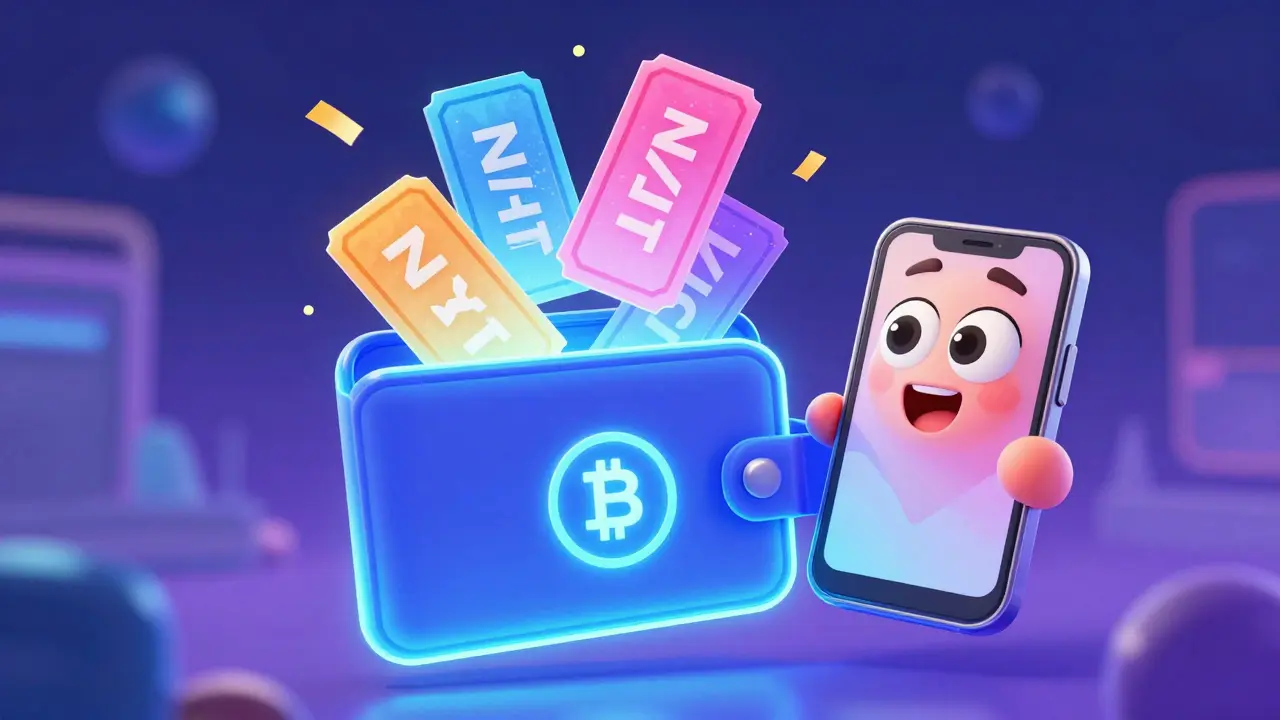
Remember the days when an email notification from CoinMarketCap could mean free money in your wallet?
If you were active in the crypto space around late 2021, you likely saw the buzz surrounding the FEAR NFT Games airdrop. It wasn't just another token drop; it was one of the first major attempts to merge Play-to-Earn (P2E) gaming mechanics with non-fungible ticketing systems on a massive scale.
The campaign distributed thousands of NFT tickets, each acting as a voucher for $FEAR tokens. For many users, it was a gateway into the world of blockchain gaming. But here is the hard truth: that specific window has closed. The airdrop ended in September 2021. If you are looking to claim those tickets today, you will find a message saying, "It looks like you are too late!"
So, why does this matter now? Because understanding what happened with the FEAR airdrop gives us a blueprint for how these campaigns work, where they fail, and what to watch out for in the current market. Let's break down exactly what happened, who won, and what we can learn from it.
What Was the FEAR Play2Earn NFT Airdrop?
To understand the hype, we need to look at the structure. FEAR NFT Games is a blockchain-based gaming platform that aims to let players earn cryptocurrency through gameplay. In 2021, they partnered with CoinMarketCap, one of the largest data aggregators in the crypto industry, to distribute their native token, $FEAR.
The core mechanism was simple but clever. Instead of just sending tokens to wallets, they issued NFT tickets. Think of these tickets like digital raffle entries or gift cards. You didn't get the cash immediately; you got a non-fungible token that represented a claim on value.
Here is how the initial phase worked:
- Total Tickets Distributed: 2,000 unique NFT tickets.
- Value Per Ticket: Each ticket was redeemable for 25 $FEAR tokens.
- Partnership: Co-hosted with CoinMarketCap to reach a wider audience beyond existing crypto holders.
This model was designed to reward two groups: loyal holders of the FEAR ecosystem and new users who were curious about trying the games for free. By using NFTs as the distribution vehicle, the project also forced users to interact with a wallet, setting them up for future engagement with the platform.
The Bigger Picture: The 20,000 Token Campaign
The initial 2,000-ticket drop was described by the team as a "huge success." But they didn't stop there. Following that momentum, FEAR NFT Games launched a second, larger distribution campaign still under the umbrella of the FEAR x CoinMarketCap partnership.
This follow-up campaign had different stakes:
- Total Prize Pool: 20,000 $FEAR tokens.
- USD Value at Time: Approximately $30,000 USD.
- Winners: Over 500 participants shared the pool.
- Deadline: The campaign concluded on September 24, 2021, at 2 PM EST.
This shift from individual high-value tickets to a broader prize pool suggests a change in strategy. Initially, they wanted to create scarcity with the 2,000 tickets. Later, they prioritized community growth and wider distribution among hundreds of winners. This is a common tactic in initial coin offerings (ICOs) and initial DEX offerings (IDOs): start small to test the waters, then go big to build hype.
Who Was Behind FEAR NFT Games?
Airdrops are only as good as the project behind them. At the time of the airdrop, FEAR NFT Games had completed four funding rounds. They raised a total of $1.24 million through various methods, including token launches and IDOs. This indicated that the project had some institutional backing and wasn't just a random anonymous launch.
However, looking at the financials provides a sobering perspective. Despite the funding and the marketing push via CoinMarketCap, the project's market capitalization hovered around $117,470 at the time of available data records. This gap between fundraising ($1.24M) and market cap (~$117K) often signals high risk or low liquidity for retail investors.
The team positioned themselves within the Play-to-Airdrop trend, a subset of the broader GameFi sector. The goal was to use free incentives to drive user acquisition for their gaming platform. In theory, if the games were fun, users would stay. In practice, retention in P2E games is notoriously difficult.
Is the Airdrop Still Active?
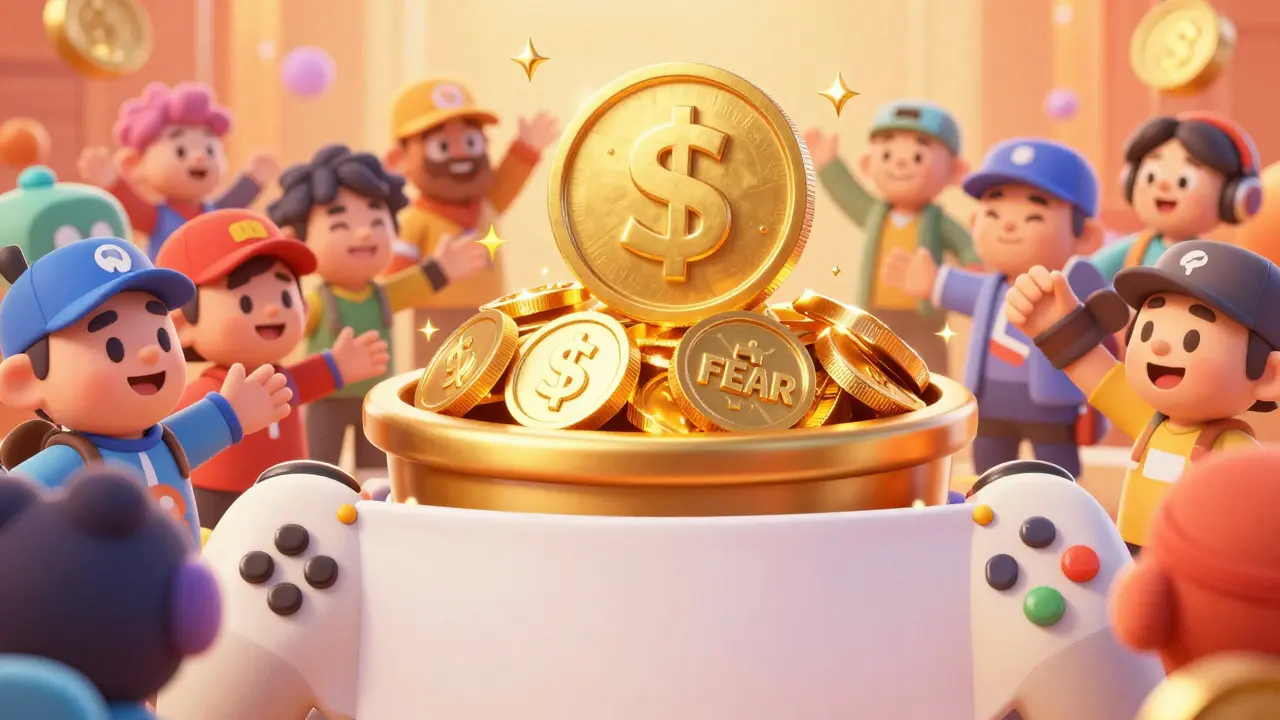
Let's be direct: No. The official channels for the FEAR x CoinMarketCap airdrop display a clear message: "The airdrop is closed."
This closure date-September 2021-is critical. We are now in May 2026. Five years have passed. In the fast-moving world of crypto, five years is an eternity. Projects that were hot in 2021 have either evolved significantly, pivoted, or faded away.
If you encounter websites or social media accounts claiming you can still enter the original FEAR NFT ticket airdrop, treat them with extreme caution. These are likely scams attempting to phish your wallet credentials or trick you into connecting to a malicious contract. Always verify deadlines and official announcements from primary sources, not third-party forums.
Lessons Learned from the FEAR Airdrop
Even though you can't participate anymore, the FEAR campaign offers valuable lessons for anyone interested in crypto airdrops and blockchain gaming today.
| Aspect | Detail | Lesson for Users |
|---|---|---|
| Distribution Method | NFT Tickets valued at 25 $FEAR | NFTs act as vouchers. Check redemption terms before celebrating. |
| Partnership Power | CoinMarketCap collaboration | Big partnerships increase visibility but don't guarantee long-term value. |
| Time Sensitivity | Ended Sept 2021 | Airdrops have strict deadlines. Missing the window means missing out entirely. |
| Token Utility | In-game currency/rewards | Ask yourself: Is the token useful outside of just being traded? |
| Risk Profile | High volatility, low market cap | Funding rounds do not equal sustainable business models. |
One major insight is the difference between participation and profit. Many users participated in the FEAR airdrop because it was free. However, the value of the $FEAR token fluctuated wildly. Receiving 25 tokens might have seemed great, but if the token price dropped shortly after, the real-world value diminished. This is a classic trap in P2E ecosystems: the reward is nominal, but the effort to convert it to stablecoins or fiat can be costly due to gas fees and slippage.
Another lesson is the importance of technical verification. The use of NFT tickets required users to have a compatible wallet (like MetaMask or Trust Wallet) and sufficient ETH or BNB for gas fees to claim the rewards. Some users found themselves unable to claim their winnings because they couldn't afford the transaction costs, a phenomenon known as "gas fee lockout."
The Current State of Play-to-Earn Gaming
Since the FEAR airdrop, the landscape has shifted dramatically. The "gold rush" era of 2021, where any new game could raise millions and distribute tokens freely, has matured. Today, investors and players are more skeptical.
Modern Web3 gaming platforms focus more on sustainability than pure speculation. While airdrops still happen, they are often gated behind actual gameplay achievements rather than simple sign-ups. This ensures that recipients are genuinely interested in the product, reducing the influx of bots and sybil attackers who farm airdrops without intending to use the platform.
For those interested in similar opportunities today, the strategy has changed. Instead of hunting for dead airdrops like FEAR, successful participants now engage with active beta tests, provide liquidity to established protocols, and hold governance tokens in reputable DAOs. The "free money" mindset has been replaced by a "value creation" mindset.
How to Spot Legitimate Opportunities Now
If you are looking for the next big thing in crypto gaming, keep these criteria in mind:
- Verify the Team: Anonymous teams are risky. Look for doxxed founders with a track record in both gaming and blockchain.
- Check the Treasury: Does the project have enough funds to sustain operations for 12-18 months? FEAR raised $1.24M, which is decent, but burn rates in gaming are high.
- Assess the Community: Is the Discord active with real discussion, or is it just spam bots announcing prices? Genuine communities discuss features and bugs.
- Understand the Tokenomics: How many tokens are allocated to the team vs. the public? If insiders hold 50%+ of the supply, be wary of dumps.
- Look for Utility: Can the token be used for anything other than trading? Governance rights, staking rewards, or in-game purchases add real value.
The FEAR airdrop was a snapshot of a specific moment in crypto history-a time of optimism, rapid experimentation, and sometimes, over-promising. While the tickets are gone, the knowledge gained from analyzing its structure, execution, and aftermath remains relevant. Use it to navigate the current market with sharper eyes and a safer wallet.
Can I still claim the FEAR NFT airdrop tickets?
No, the FEAR NFT airdrop campaign officially ended on September 24, 2021. Any website claiming you can still claim these tickets is likely a scam. Always check official project channels for current status updates.
What was the value of the FEAR NFT tickets?
Each of the initial 2,000 NFT tickets was valued at 25 $FEAR tokens. The subsequent larger campaign distributed 20,000 $FEAR tokens worth approximately $30,000 USD at the time among over 500 winners.
Who partnered with FEAR NFT Games for the airdrop?
FEAR NFT Games partnered with CoinMarketCap, a leading cryptocurrency data aggregator, to distribute the airdrop tickets and tokens to a wide audience of crypto enthusiasts and gamers.
How much funding did FEAR NFT Games raise?
The project completed four funding rounds, raising a total of $1.24 million through token launches, Initial DEX Offerings (IDOs), and additional financing rounds prior to the airdrop campaigns.
Is FEAR NFT Games still active in 2026?
There is limited public information regarding the active status of FEAR NFT Games in 2026. The last major documented activity was the 2021 airdrop. Users should exercise caution and verify current operational status through official blockchain explorers and verified social media channels before engaging.
What is the difference between an NFT ticket and a standard token airdrop?
A standard token airdrop sends fungible tokens directly to your wallet. An NFT ticket airdrop sends a unique non-fungible token that acts as a voucher. You must usually "redeem" or "burn" the NFT ticket to receive the underlying value (tokens or prizes), adding an extra step to the process.

Crystal Davis
May 30, 2026 AT 18:54Look, I've been in this space since the ICO days and let me tell you something about FEAR. The math never worked out for retail. You had a $1.24M raise but a market cap of like $100k? That is classic insider dumping structure. They raised institutional money, gave away cheap tokens to create fake volume, and then vanished when the liquidity dried up. It's not just bad luck, it's structural exploitation. People who fell for the CoinMarketCap partnership think they were smart because it was 'verified'. Stupid. CMC doesn't vet projects, they just sell ad space. The NFT ticket mechanism was just another friction point to make you feel involved while they printed more supply behind the scenes. If you look at the tokenomics, the team vesting schedule was basically non-existent. They dumped within weeks. This isn't a lesson on gaming, it's a lesson on how to get rekt by people who know exactly what they are doing. Stop romanticizing these dead projects as 'blueprints'. They are cautionary tales of greed.
trisya hazriyana
June 1, 2026 AT 02:25oh wow crystal really needs to chill out with the doom and gloom here its not all that sinister sometimes things just flop thats life in crypto right
Barclay Chantel
June 2, 2026 AT 16:22The sheer banality of your optimism is almost refreshing in its ignorance. To suggest that a project raising over a million dollars and failing to maintain a basic market cap is merely 'flopping' is to ignore the fundamental mechanics of value transfer. It is not an accident; it is a feature of the unregulated wild west we call Web3. The average participant lacks the intellectual fortitude to understand token dilution, so they are handed NFT tickets like pacifiers. How quaint. One must appreciate the audacity of these developers to exploit the very concept of 'play-to-earn' which is essentially digital sharecropping. We are told to play, to engage, to build community, all while the architects cash out their vested allocations. It is a pyramid scheme dressed in blockchain aesthetics. And yet, here we are, dissecting it like it’s a historical artifact rather than a crime scene.
Debbie Lewis
June 4, 2026 AT 00:03i guess barclay has a point about the hype cycle being tough to navigate without getting burned
Eric Grosso
June 5, 2026 AT 15:14im still confused bout the whole nft ticket thing tho did u actually have to burn it or just hold it? feels like such a weird step for an airdrop
Diana Morris
June 6, 2026 AT 09:51you idiot it was a voucher system stop asking dumb questions and read the article properly if you cant handle basic mechanics stay out of crypto
Dianne Wright
June 7, 2026 AT 18:13diana why are you always so mean to everyone eric just wants to learn and you are yelling at him i feel so drained reading this thread honestly it makes my head hurt just thinking about all this negativity floating around here
Joshua Alcover
June 8, 2026 AT 19:01The semantic distinction between a fungible token distribution and a non-fungible voucher mechanism is not merely procedural; it is epistemological. By requiring the user to interact with an NFT contract, the platform forces a cognitive commitment to the ecosystem. It is a psychological tether. The American investor, conditioned by fiat laziness, expects instant gratification. The NFT ticket disrupts this flow, creating a moment of hesitation where the true nature of the asset class can be contemplated. However, most fail this contemplation. They see the CoinMarketCap logo and assume state-sanctioned validity. This is a failure of critical thought prevalent in our democratic institutions. The project failed not because of the mechanics, but because the populace lacks the discipline to verify on-chain data independently. They rely on intermediaries. This is why the West crumbles. We outsource truth to aggregators instead of mining it ourselves from the ledger.
Christina Pearce
June 10, 2026 AT 11:54hey joshua that's a pretty intense take on democracy and crypto lol but loretta is right about checking official sources i always double check links before clicking anything
saradee dee
June 12, 2026 AT 08:57Oh my god! This story is so dramatic! Five years ago everything was so exciting and now it is just gone! I remember seeing the emails and feeling so happy thinking I would get free money! But then nothing happened! It is like a dream that fades away! We should learn from this and be careful next time! Please do not fall for scams!
Sam Dashti
June 12, 2026 AT 09:03saradee you're bringing the vibes back to 2021 man. it was a different era. wild west stuff. i miss the chaos honestly. even if it got us rekt, it felt alive.
Joe Clements
June 12, 2026 AT 09:19I totally get that Sam. It was a lot of fun while it lasted, even if it didn't end well financially. At least we have stories to tell now.
Rosie Morris
June 13, 2026 AT 07:22yeah i remember that. good times.
lorna erni
June 14, 2026 AT 14:32LET'S TALK ABOUT THE GAS FEES THOUGH! WHO FORGOT ABOUT GAS FEES?! I spent more on gas trying to claim those stupid tickets than the tickets were worth! It was a total disaster and I am still angry about it! We need better solutions for this!
stalin brian
June 15, 2026 AT 12:33lorna ur right the gas fees were insane back then eth network was clogged every day. i lost like 50 bucks tryna claim 20 bucks worth of tokens. crazy times.
Craig Swanson
June 16, 2026 AT 17:04Stalin is right, the infrastructure wasn't ready for that level of demand. It's a harsh lesson in scalability. But hey, we survived and we know better now. Keep learning guys!
Dana Rapoport
June 18, 2026 AT 01:54The philosophical shift from speculation to utility is real. We are moving past the gold rush mentality. It is interesting to observe how the community self-corrects over time.
Edith Mair
June 19, 2026 AT 17:03Dana, don't you think some of these new 'utility' focused games are just the same old scam with better marketing? I'm skeptical of the whole narrative shift.