
HashKey Exchange isn’t another crypto exchange trying to outdo Binance with 500 coins and 100x leverage. It’s something quieter, more deliberate - a regulated crypto exchange built for compliance, not hype. If you’re in Hong Kong or care about legal clarity in crypto trading, this platform matters. But if you want to swing for the fences with meme coins or high-frequency bots, you’ll hit walls fast.
What Makes HashKey Exchange Different?
HashKey Exchange launched in 2019 and became one of the first crypto platforms in Hong Kong to get a full license from the Securities and Futures Commission (SFC) in 2023. That’s not just a badge - it’s a legal requirement. Unlike many exchanges that operate in gray zones, HashKey is audited by Big 4 accounting firms, keeps user funds in segregated cold wallets, and has never suffered a major breach. Forbes ranked it 14th in the world for trustworthiness in 2025, scoring it 4.9 out of 5 based on security, transparency, and regulatory adherence. This isn’t about volume. It’s about trust. Institutions, family offices, and professional investors in Asia use HashKey because they can’t risk working with unlicensed platforms. Even retail traders who’ve been burned by shady exchanges appreciate the clean, regulated structure.Trading Options: Simple, But Sparse
HashKey offers 107 spot trading pairs and 53 futures pairs. That sounds decent until you compare it to Kraken’s 278 or OKX’s 329. You won’t find Solana, Polygon, or Dogecoin here - only 26 cryptocurrencies total. The list is tight: Bitcoin, Ethereum, Litecoin, Chainlink, and a few others. No Shiba Inu. No Pepe. No random tokens from obscure projects. Futures trading is capped at 1:10 leverage. That’s low compared to exchanges offering 100x or even 125x. If you’re a day trader chasing quick swings, this will feel like driving a sedan when you wanted a race car. But for long-term holders or conservative traders, 1:10 reduces risk without eliminating opportunity. No options trading. No NFT marketplace. No copy trading or algorithmic bots. The platform is built for straightforward buying, selling, and hedging - not complex strategies.Fees and Deposits: Transparent, But Not Always Free
Depositing crypto is free. Withdrawals are free too - and they usually clear in under 10 minutes. That’s rare. Most exchanges charge withdrawal fees or delay them for days. But here’s the catch: withdrawing Hong Kong dollars (HKD) or US dollars (USD) costs money. Fees vary by method, but you’ll pay for bank transfers. That’s standard, but it’s a shock if you expected everything to be free. Trading fees are tiered based on your VIP level, not flat. Maker fees start at 0.08%, taker fees at 0.1%. High-volume traders get discounts, but casual users pay more than on Binance or Kraken. Some sites claim fees are 0%, but that’s wrong. HashKey doesn’t do zero fees - it does fair, structured fees. The HSK token gives you discounts on trading fees and rewards for referrals. It’s not a game-changer, but if you trade often, holding HSK saves you a few percent.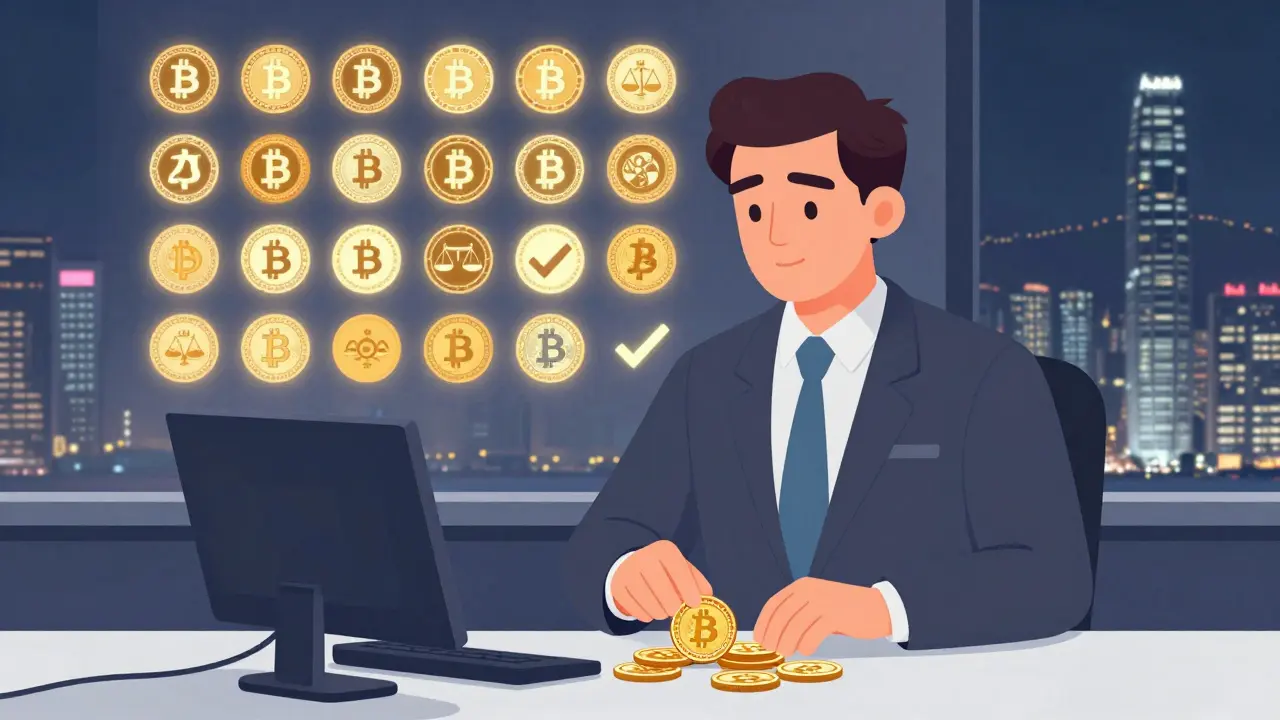
Security: Strong, But Not Perfect
HashKey’s security setup is one of its best features. All digital assets are stored in cold wallets. User accounts are segregated. Data is encrypted with SSL. Insurance covers digital assets against theft. Two-factor authentication (2FA) is required and mandatory. But here’s the gap: no facial recognition. No hardware wallet integration. No advanced risk monitoring tools like those on Coinbase or Kraken. The platform meets basic standards - it doesn’t exceed them. TradersUnion gave it a 6.75/10 for security. That’s decent, not exceptional. No breaches. No scandals. No leaked user data. That track record matters more than flashy features.User Experience: Slow, Frustrating, But Functional
The website and app look clean. The layout is simple. But users report constant issues: forced logouts, laggy charts, and slow order execution. One Trustpilot review from March 2025 said: “Same as OSL. Slow, bad UI/UX.” If you’re used to the smoothness of TradingView or Binance’s interface, HashKey feels outdated. Charts refresh slowly. Order books stutter. Mobile notifications are unreliable. Customer support is available 24/7 via live chat, but ticket responses take over a month on average. That’s unacceptable. One user claimed they were accused of money laundering and asked to pay $362 just to withdraw their own funds - then got no reply. HashKey denies this is common, but the pattern of complaints is real. KYC verification takes 2-5 days. That’s normal for licensed exchanges, but frustrating if you’re in a hurry.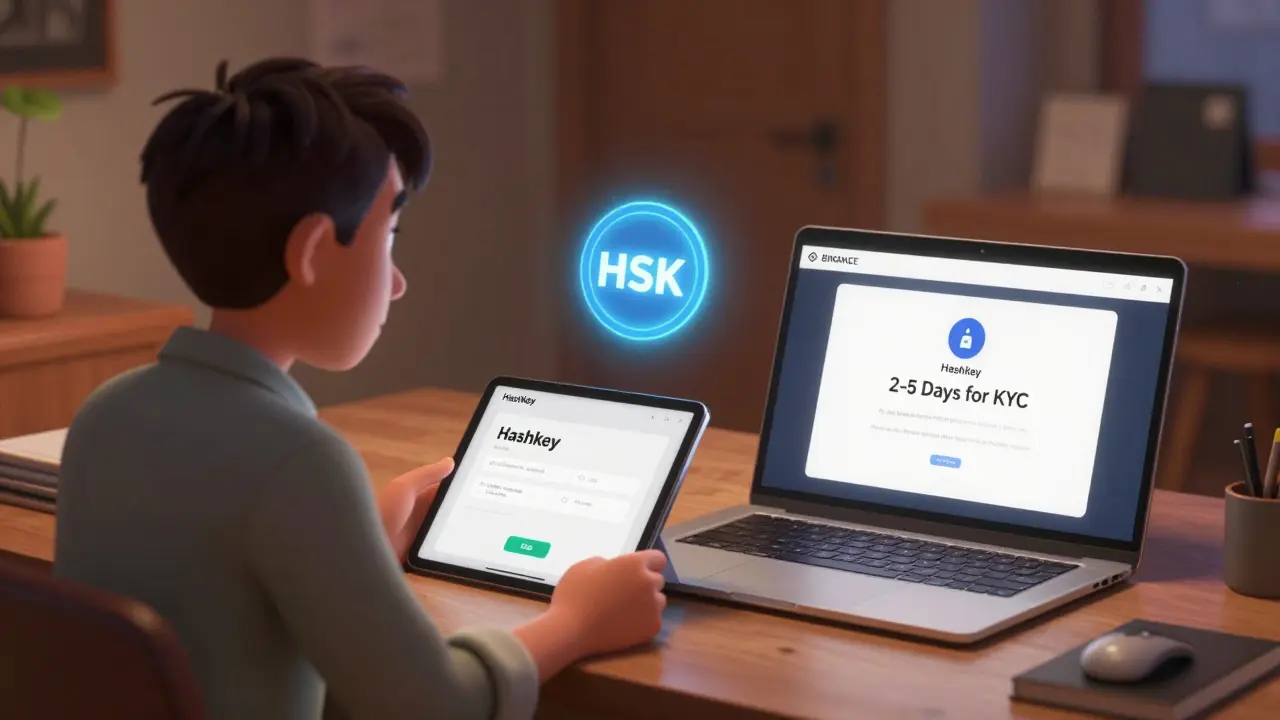
Who Is This For? Who Should Avoid It?
Use HashKey if: - You live in Hong Kong or Asia and need a legal crypto platform. - You’re an institutional investor or professional trader who values compliance over features. - You want to trade USD or HKD directly (few exchanges offer this). - You prioritize safety and audits over coin variety. Avoid HashKey if: - You want to trade 100+ altcoins. You’ll find 26 here - that’s it. - You need leverage above 1:10 or want options trading. - You rely on trading bots, copy trading, or advanced charting tools. - You’re sensitive to slow customer service or clunky interfaces.The Bigger Picture: Why Compliance Matters
Hong Kong is trying to become Asia’s crypto hub. HashKey is a key player in that strategy. The government doesn’t want offshore exchanges with no accountability. It wants licensed, audited, transparent platforms. That’s why HashKey is growing - not because it’s flashy, but because it’s safe. In 2025, regulators in Singapore, Japan, and even the U.S. are watching Hong Kong’s model. If other countries follow suit, HashKey’s approach could become the standard, not the exception. HashKey Group also launched a Crypto-as-a-Service platform in early 2025, helping banks and enterprises connect to Web3. That’s not for retail users - but it shows where the company’s future lies: in institutional infrastructure, not meme coin trading.Final Verdict: Trust Over Glamour
HashKey Exchange isn’t the biggest. It’s not the fastest. It doesn’t have the most coins or the most tools. But it’s one of the few exchanges you can trust without second-guessing. If you’re in a regulated market and want to trade crypto without risking your assets on an unlicensed platform, HashKey is a rare, legitimate option. It’s the crypto equivalent of a well-run bank - not the wild west of DeFi. For retail traders in Hong Kong, it’s worth trying. For everyone else? Only if you’re okay with limits. The future of crypto isn’t just about volume - it’s about legitimacy. HashKey is betting on that future.Is HashKey Exchange safe to use?
Yes, HashKey Exchange is one of the safest crypto platforms in Asia. It’s licensed by Hong Kong’s SFC, stores assets in cold wallets, undergoes regular audits by Big 4 firms, and has never had a major security breach. Two-factor authentication is mandatory, and user funds are insured. While it lacks advanced security features like facial recognition, its compliance record is unmatched among regional exchanges.
Does HashKey Exchange support USD and HKD deposits?
Yes, HashKey supports both USD and HKD as fiat currencies. You can deposit and withdraw these currencies via bank transfer, though withdrawal fees apply. This is rare among global exchanges - most only support EUR or USD. For users in Hong Kong, HKD pairs make trading much simpler and cheaper than converting through third parties.
How many cryptocurrencies does HashKey Exchange support?
HashKey Exchange supports 26 cryptocurrencies as of 2025. This includes major coins like Bitcoin, Ethereum, Litecoin, Chainlink, and Polkadot. It does not support popular altcoins like Solana, Dogecoin, or Shiba Inu. The platform focuses on quality over quantity, prioritizing assets with strong fundamentals and regulatory clarity.
What are the trading fees on HashKey Exchange?
Trading fees are tiered based on your VIP level. Maker fees start at 0.08%, and taker fees start at 0.1%. High-volume traders get discounts. Crypto deposits and withdrawals are free. Fiat withdrawals (USD/HKD) have fees based on the bank method used. Some websites falsely claim fees are 0% - this is incorrect. HashKey doesn’t offer zero fees; it offers transparent, structured pricing.
Can I use trading bots or copy trading on HashKey?
No, HashKey Exchange does not offer trading bots, copy trading, or algorithmic trading tools. The platform focuses on spot and futures trading for manual users and institutional clients. Advanced traders looking for automation will find this a major limitation. The API is available for institutional users, but retail traders have no access to automated strategies.
Is HashKey Exchange available outside Hong Kong?
HashKey Exchange is primarily focused on Hong Kong and select Asian markets. While users from other countries can sign up, the platform restricts access in many regions due to licensing limitations. It does not serve users in the United States, Canada, or most of Europe. If you’re outside Asia, check their website for current regional availability before signing up.
Why do users complain about slow withdrawals and login issues?
Many users report slow fiat withdrawals and frequent forced logouts, especially on mobile. The platform’s backend infrastructure struggles with high traffic during market volatility. Customer service response times for support tickets average over 30 days, which frustrates users needing urgent help. While the interface is clean, the underlying performance and support systems are outdated compared to global competitors.
Does HashKey Exchange have a mobile app?
Yes, HashKey Exchange has a mobile app for iOS and Android. It allows trading, portfolio tracking, and account management. However, users report the app is slow, has frequent crashes, and lacks features like push notifications or advanced charting. The web platform is often preferred for serious trading due to better reliability.

Shaun Beckford
January 20, 2026 AT 00:50HashKey is the crypto equivalent of a library card in a world of fireworks. No meme coins? Good. No 100x leverage? Better. If you're still chasing Shiba Inu like it's the Holy Grail, you're not investing-you're gambling with your life savings. I've seen too many people wiped out by exchanges that looked shiny but had zero oversight. HashKey? It's the boring bank your grandfather would trust. And in 2025? That's the ultimate flex.
Sarah Baker
January 21, 2026 AT 15:42Y'all need to stop treating crypto like a casino and start treating it like a long-term asset class. HashKey isn't for everyone, and that's okay. If you're just here for quick flips, go somewhere else. But if you actually want to sleep at night knowing your Bitcoin isn't sitting in some sketchy hot wallet with no insurance? This is it. I've been with them for two years-zero issues, zero drama. Just steady, clean trading. That’s worth more than 500 coins.
Pramod Sharma
January 23, 2026 AT 03:48Trust over hype. That’s the real revolution.
Liza Tait-Bailey
January 24, 2026 AT 08:11so i signed up last week and holy moly the app is a mess. like, why does it log me out every 10 minutes?? and the charts? 😩 i just wanted to buy some eth and ended up staring at a spinning wheel for 3 minutes. but... i kinda love that they dont have dogecoin. maybe thats the point? no memes, just money. weirdly calming??
Nishakar Rath
January 25, 2026 AT 15:43Regulated? Please. This is just another corporate puppet with a fancy SFC sticker. You think they care about you? Nah. They care about their audit fees and their cozy relationship with the Hong Kong government. They don't want you to trade-they want you to sit still and pay fees while they get rich off your patience. And don't even get me started on that 1:10 leverage. You're not trading crypto here-you're doing slow-motion yoga with your portfolio.
kristina tina
January 26, 2026 AT 23:54I was skeptical at first-no Solana? No bots? No NFTs? But after I lost everything on an unregulated exchange last year, I needed something that felt safe. HashKey isn’t glamorous, but it’s honest. I finally stopped checking my portfolio every 5 minutes. I sleep. I breathe. I trust. And honestly? That peace of mind is worth the slow UI and the $5 withdrawal fee. You don’t need to chase every trend. Sometimes, the quiet path is the one that saves you.
Anna Gringhuis
January 28, 2026 AT 17:46Oh look, another 'trust over glamour' sermon. Cute. But let’s be real-this platform is a relic. If you're still using a 2023-era exchange that doesn't even support Solana in 2025, you're not being cautious-you're being obsolete. The future is decentralized, permissionless, and fast. HashKey is trying to turn crypto into a bank branch. And honestly? That’s the death of innovation. If you want safety, keep your money in a savings account. At least then you don't have to pay for the privilege of being bored.
Dustin Secrest
January 30, 2026 AT 11:38There’s a quiet dignity in restraint. In a world obsessed with maximalism-more coins, more leverage, more noise-HashKey chooses minimalism. Not because it’s incapable, but because it’s intentional. It’s not trying to be everything to everyone. It’s trying to be everything for the few who understand that value isn’t measured in trading volume, but in resilience. That’s not boring. That’s wisdom.
Bill Sloan
February 1, 2026 AT 07:49Just used them for the first time to move some BTC to cold storage. Free withdrawal in 7 minutes? YES. No drama? YES. No 100x leverage? Honestly? Kinda refreshing. I used to think I needed chaos to make money. Now I think I just needed peace. HashKey didn’t sell me a dream-it gave me back my time. 🙌
Callan Burdett
February 1, 2026 AT 16:27Look, I’m Australian and I’ve traded on 12 different exchanges. HashKey is the only one that made me feel like I wasn’t being scammed. The UI is clunky? Fine. The app crashes? Whatever. I don’t care if the charts lag when I know my money is locked in a vault that’s been audited by PwC. I’ll take boring security over flashy scams any day. And no, I don’t need Shiba Inu to feel alive.
Anthony Ventresque
February 3, 2026 AT 10:08I get why people hate this place-it doesn’t scream 'WIN BIG'. But if you’ve ever been locked out of your account for a week or lost funds because an exchange got hacked... you start to appreciate the slow, steady ones. HashKey doesn’t dazzle, but it doesn’t disappear either. And that’s more than most can say.
Katherine Melgarejo
February 5, 2026 AT 08:48so i tried to withdraw my usd and got a ticket response in 4 weeks. 4 WEEKS. but then again, i also didn’t get hacked or lose my coins. so… i guess i’m okay with waiting? like, it’s not fun but it’s not terrifying either? weird tradeoff.
Patricia Chakeres
February 7, 2026 AT 07:20Regulated? That’s just code for 'controlled'. The SFC isn’t protecting you-it’s protecting the system. And who runs the system? Banks. Governments. The same people who crashed the economy in 2008. HashKey isn’t crypto-it’s crypto-washing. You think you’re safe? You’re just being groomed for the next phase of financial enslavement. Wake up. This isn’t security. It’s surveillance with a trading interface.
Lauren Bontje
February 9, 2026 AT 02:06Why is everyone acting like Hong Kong is the center of the universe? This exchange barely even works outside Asia. And you’re praising it because it’s 'regulated'? What, are we supposed to be impressed that it follows rules made by bureaucrats who don’t even understand blockchain? Meanwhile, real crypto is thriving in places where freedom still exists. HashKey is the Walmart of crypto-safe, predictable, and soul-crushingly bland.
Stephanie BASILIEN
February 9, 2026 AT 05:30While HashKey Exchange adheres to a stringent regulatory framework, thereby ensuring a high degree of fiduciary accountability and operational transparency, one must nonetheless acknowledge the latent structural limitations inherent in its design philosophy. The absence of algorithmic trading infrastructure, coupled with a constrained asset basket, may impede its scalability as a global financial instrument. Furthermore, the latency in customer service response times-averaging 30+ days-raises substantive concerns regarding user autonomy and recourse. In sum, while commendable in its compliance posture, it remains, by design, a constrained ecosystem.
Deb Svanefelt
February 10, 2026 AT 05:04I used to think crypto was about speed and volume-until I lost $12k on an exchange that vanished overnight. HashKey doesn’t move fast, but it moves true. I don’t need 100 coins. I need to know my Bitcoin is still there tomorrow. The slow UI? Fine. The lack of bots? Good. The fact that I can actually talk to a human (eventually)? That’s rare. I’m not here to gamble. I’m here to preserve. And HashKey lets me do that without the noise.
Telleen Anderson-Lozano
February 11, 2026 AT 20:11Okay, so the app is slow, the customer service is a black hole, and you can’t trade Dogecoin-but here’s the thing: I’ve been using it for 18 months, and I’ve never had a single problem with my funds. No freezes. No delays. No shady 'maintenance' that turns into a month-long outage. And honestly? That’s more than I can say for any other exchange I’ve used. Maybe it’s not flashy. Maybe it’s not perfect. But it’s reliable. And in crypto? Reliability is the rarest thing of all.
Stephen Gaskell
February 13, 2026 AT 09:39US users should avoid this. Only for Hong Kong. Period. No exceptions. This isn't global crypto. It's regional compliance theater. If you're not in Asia, you're just wasting your time.
nathan yeung
February 15, 2026 AT 05:08hashkey is like that quiet friend who never talks loud but always shows up when you need them. no drama, no hype, just solid. i dont need 500 coins. i need to know my money is safe. and it is. thats enough for me.