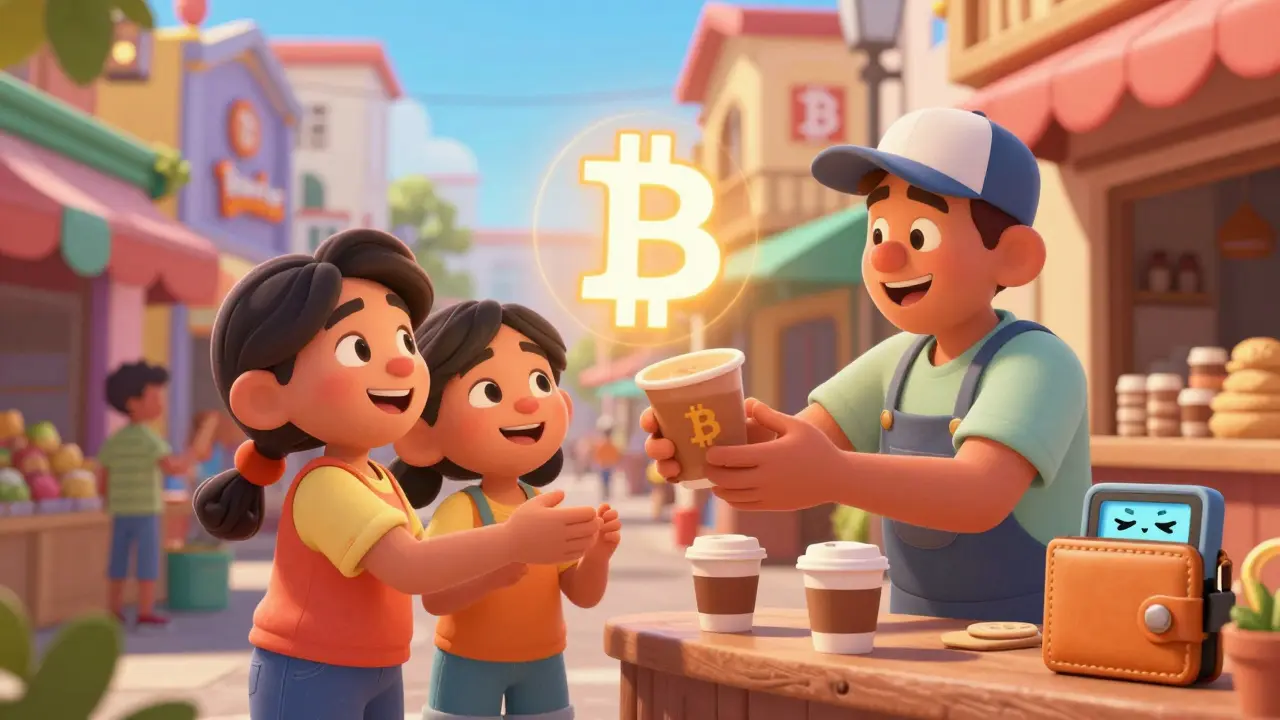
El Salvador didn’t just adopt Bitcoin - it rewrote the rules. In September 2021, it became the first country in the world to make Bitcoin legal tender. And right alongside that move came one of the most radical tax policies ever seen in crypto: no capital gains tax on Bitcoin. That means if you buy Bitcoin in El Salvador, hold it, sell it, or use it to pay for coffee, you don’t owe a single cent in taxes on your profit. Not to the government. Not to anyone.
How It Works - And Who Benefits
The law is simple: any gain from Bitcoin transactions is tax-free. That applies to locals, foreigners, businesses, and investors. If you’re a U.S. citizen living in San Salvador and you bought Bitcoin at $30,000 and sold it at $70,000? You keep the full $40,000 profit. No IRS breathing down your neck - at least not from El Salvador’s side. The same goes for companies. A crypto exchange in San Miguel, a wallet provider in Santa Ana, or a Bitcoin ATM operator in Usulután - none of them pay capital gains tax on the trades they process. But here’s the catch: this exemption only applies to Bitcoin. Other cryptocurrencies? Not covered. If you’re trading Ethereum, Solana, or Dogecoin in El Salvador, you’re in a gray zone. The law was written specifically for Bitcoin. It’s not just a policy - it’s a statement. El Salvador bet everything on Bitcoin as a national currency, and the tax break was designed to lock that bet in. Foreign investors who put in at least three Bitcoin (₿3) into El Salvador’s economy get an extra perk: full exemption from capital gains tax on any Bitcoin profits, even if they live abroad. That’s not a loophole. It’s a targeted incentive. The government wants foreign capital, and Bitcoin is the hook.The Regulatory Engine Behind the Policy
You can’t have a tax-free system without oversight. That’s where the National Commission of Digital Assets (CNAD) is the official regulatory body overseeing all Bitcoin and digital asset activity in El Salvador. CNAD issues two types of licenses:- Bitcoin Service Provider (BSP) - for businesses that only deal with Bitcoin: exchanges, wallets, payment processors.
- Digital Asset Service Provider (DASP) - for anything else: altcoins, NFTs, token sales, investment platforms.
What Changed After the IMF Deal
In December 2024, El Salvador took a $1.4 billion loan from the International Monetary Fund. In exchange, the government agreed to roll back some of its most aggressive Bitcoin policies. The Chivo wallet, the state-run app that gave people $30 in Bitcoin just for signing up? It’s being phased out. Merchants no longer have to accept Bitcoin as payment. The government stopped buying Bitcoin with public funds. And tax payments in Bitcoin? Gone. But here’s the thing: the core tax exemption? Still standing. The February 2025 amendment didn’t touch the capital gains tax rule. Why? Because it’s too valuable to remove. Removing it would scare away investors, trigger capital flight, and damage El Salvador’s reputation as a crypto-friendly nation. The IMF didn’t demand that. The government knew it couldn’t afford to. So while the country scaled back its public Bitcoin spending, it kept the private sector’s tax-free status intact. That tells you something: this exemption isn’t political. It’s economic.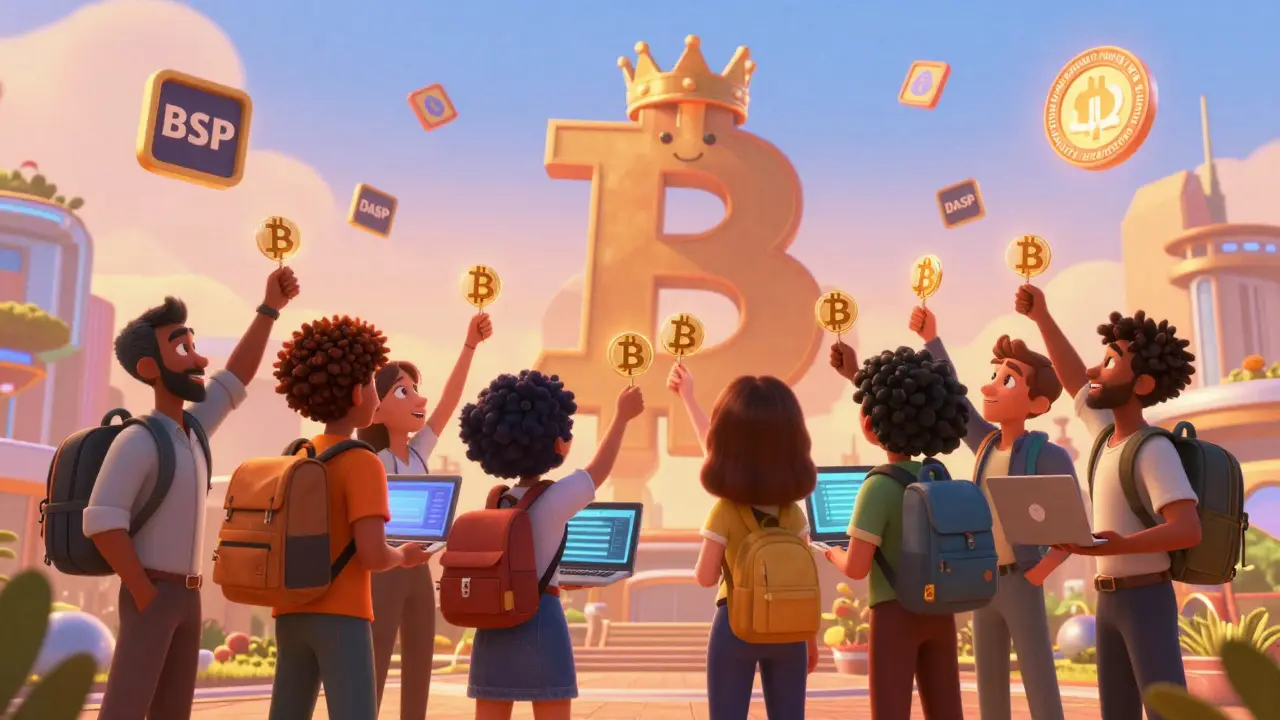
How Does It Compare to Other Countries?
El Salvador isn’t alone in offering zero capital gains tax on crypto. But it’s the only one that made Bitcoin legal tender and tied the exemption directly to it.- Cayman Islands: No income, capital gains, or corporate tax - ideal for hedge funds and offshore traders.
- UAE: Zero tax on crypto across all emirates, with clear regulations and licensing.
- Germany: No tax if you hold crypto for over 12 months. But if you sell within a year? You pay.
- Portugal: Tax-free for individuals, especially under the Non-Habitual Resident program.
But Is Anyone Actually Using It?
Here’s the uncomfortable truth: adoption among Salvadorans has dropped - hard. In 2021, 25.7% of the population used Bitcoin for payments. By 2024, that number fell to just 8.1%. Why? Lack of trust, poor internet access, unfamiliarity with wallets, and skepticism about government motives. Most people see Bitcoin as a government project, not a tool for daily life. Yet the government’s Bitcoin holdings? That’s a different story. By March 2024, El Salvador’s national Bitcoin stash was worth $3.7 million more than what it paid for. With Bitcoin hitting $69,000, the country’s portfolio was up 50%. That’s not just a win - it’s a lifeline. The profits helped offset the cost of launching Chivo and promoting Bitcoin nationwide. So while everyday people aren’t using Bitcoin much, the state is betting big on it. And the tax exemption? It’s the reason that bet still makes sense.
What You Need to Know Before You Act
If you’re thinking about moving money, starting a business, or investing in Bitcoin through El Salvador, here’s what matters:- Only Bitcoin is covered - altcoins don’t get the same exemption.
- Foreign income is safe - if you earn Bitcoin outside El Salvador, you won’t be taxed on it there.
- Recordkeeping is mandatory - even with no tax, you still need to report transactions to CNAD.
- Businesses need licenses - no BSP or DASP license? You’re operating illegally.
- The policy is stable - for now - the IMF deal didn’t touch the tax exemption, but future changes are possible.
What’s Next?
The Bitcoin City project is still on the table - a planned city powered by Bitcoin, with zero taxes on income, property, or imports. If it ever gets built, it could become the world’s first fully tax-free crypto hub. But for now, the real Bitcoin haven isn’t a city. It’s the law. The fact that El Salvador kept its capital gains tax exemption after the IMF deal proves one thing: this isn’t about politics. It’s about economics. And as long as Bitcoin keeps rising, the country will hold onto this edge - no matter what.Is Bitcoin really tax-free in El Salvador?
Yes. El Salvador’s Digital Assets Law explicitly exempts all Bitcoin transactions from capital gains tax, whether you’re a resident, tourist, or foreign investor. This applies to buying, selling, holding, or spending Bitcoin within the country.
Does the tax exemption apply to other cryptocurrencies like Ethereum?
No. The exemption only covers Bitcoin. Other cryptocurrencies fall under the DASP license framework and are not automatically tax-free. While they aren’t taxed either, they don’t benefit from the same legal protection as Bitcoin under the law.
Can foreigners invest in Bitcoin in El Salvador without paying taxes?
Yes. Foreigners who invest at least three Bitcoin (₿3) in El Salvador’s economy qualify for complete capital gains tax exemption on Bitcoin profits, even if they live abroad. The exemption applies to all Bitcoin-related gains, regardless of residency.
Did the IMF deal remove the Bitcoin tax exemption?
No. The February 2025 amendment to El Salvador’s Bitcoin law, required by the IMF loan, removed mandatory Bitcoin acceptance for merchants and scaled back government purchases - but it left the capital gains tax exemption untouched. The exemption remains a core part of the law.
Are businesses required to report Bitcoin transactions even if there’s no tax?
Yes. All Bitcoin service providers must register with the National Commission of Digital Assets (CNAD), maintain detailed records, comply with AML/KYC rules, and file annual financial statements. Tax exemption doesn’t mean no oversight.
Why has Bitcoin adoption dropped in El Salvador?
Despite government efforts, adoption fell from 25.7% in 2021 to 8.1% in 2024. Reasons include poor internet access, lack of trust in government-run systems like the Chivo wallet, limited merchant support, and confusion over how to use Bitcoin for daily purchases. The tax benefit doesn’t help if people can’t easily spend Bitcoin.

jack carr
March 8, 2026 AT 03:33Jane Darrah
March 9, 2026 AT 10:24Julie Potter
March 9, 2026 AT 16:27Nick Greening
March 9, 2026 AT 19:09Shawn Warren
March 11, 2026 AT 04:12Megan Lutz
March 11, 2026 AT 10:56Denise Folituu
March 13, 2026 AT 04:48Christina Young
March 15, 2026 AT 02:11Jackson Dambz
March 15, 2026 AT 07:12jonathan swift
March 15, 2026 AT 22:43Nancy Jewer
March 16, 2026 AT 23:34Jesse VanDerPol
March 18, 2026 AT 23:31