Bangladesh Bank crypto: What you need to know about crypto and banking in Bangladesh
When it comes to Bangladesh Bank crypto, the official stance of Bangladesh’s central bank on cryptocurrency transactions and digital assets. Also known as crypto regulations in Bangladesh, it crypto banking restrictions, it defines what financial activities are legal—and what gets you in trouble. In 2025, Bangladesh Bank still bans all crypto-related transactions through banks and financial institutions. That means you can’t use your BDT to buy Bitcoin on local exchanges, deposit crypto into a bank account, or even receive crypto payments through a registered bank. But here’s the twist: people still do it. Not because it’s legal, but because the demand is real.
Why does this matter? Because digital taka, Bangladesh Bank’s planned central bank digital currency (CBDC) is in development, and it’s meant to replace the need for private cryptocurrencies. Meanwhile, crypto regulations Bangladesh, the legal framework surrounding blockchain and digital assets in the country remains unclear outside of outright bans. No law explicitly criminalizes holding crypto, but using banks to move it? That’s a red flag. People turn to peer-to-peer platforms, offshore exchanges, and cash-based trades to bypass restrictions. Some use UPI-style apps to send money to friends abroad who then buy crypto for them. Others use crypto remittance services to send money to family overseas—something Bangladesh Bank hasn’t cracked down on directly, but watches closely.
What you won’t find in official statements is how many Bangladeshis are quietly using crypto. From garment workers sending earnings home to students trading altcoins on Binance, the underground market is active. The same people who avoid banks for crypto still use mobile banking apps for everything else. They know the rules, and they know the risks. That’s why most of the posts below focus on practical workarounds: how to buy crypto without a bank account, which exchanges still accept Bangladeshi users, and what tokens are safest to hold when the government could change the rules tomorrow. You’ll also find guides on avoiding scams targeting crypto newcomers in Dhaka and Chittagong, and how to track your taxes if you’re trading—because even if the bank won’t talk about it, the tax office might.
Remittances and Crypto Use in Bangladesh: Why Digital Currencies Are Still Banned
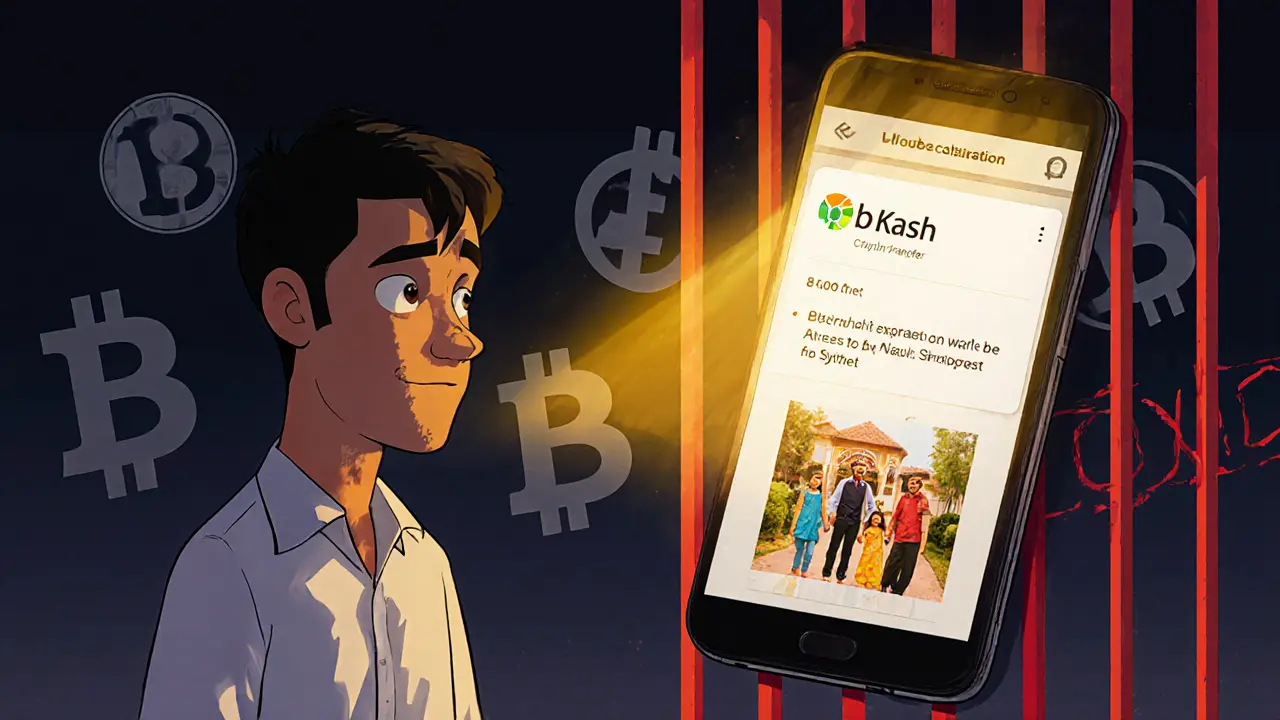
Bangladesh hit a record $30 billion in remittances in 2025, but crypto remains banned. Learn why the central bank blocks digital currencies despite high fees and slow transfers in formal channels.
- January 30 2025
- Terri DeLange
- 16 Comments