Bitcoin history: How it started, who built it, and why it still matters
When you think of Bitcoin, the first decentralized digital currency that launched a global financial revolution. Also known as BTC, it’s not just a coin—it’s the foundation of everything that came after in crypto. No bank, no government, no middleman. Just code, math, and a network of strangers agreeing on rules. That’s what made it different from every other attempt at digital money before it.
Its story begins in 2008, when a person or group using the name Satoshi Nakamoto, the anonymous creator who published the Bitcoin whitepaper and built the first blockchain. Also known as Satoshi, their identity remains one of crypto’s biggest mysteries. The whitepaper didn’t just describe a new currency—it explained how to solve the double-spending problem without trusted third parties. That was the breakthrough. In January 2009, the first Bitcoin block, called the genesis block, was mined. Hidden inside it was a headline from The Times: "Chancellor on brink of second bailout for banks." It wasn’t just a timestamp. It was a statement.
What followed wasn’t a boom—it was quiet growth. Early adopters traded Bitcoin for pizza, built mining rigs in basements, and argued on forums about whether it would ever be worth anything. The blockchain, the public, immutable ledger that records every Bitcoin transaction. Also known as distributed ledger, it’s the real innovation behind Bitcoin—not the coin itself. Every transaction is visible, permanent, and verifiable. That transparency is why fraud is hard and trust doesn’t need to be placed in a company or government.
Bitcoin’s history isn’t just about price charts or hype. It’s about people who believed in something no one else did. It’s about developers who kept coding when no one was watching. It’s about miners who ran machines 24/7 just to keep the network alive. And it’s about how a single idea, written in a PDF, changed how the world thinks about money.
Today, Bitcoin is still the most recognized crypto asset. It’s not the fastest, not the cheapest, and not the most feature-rich—but it’s the one everyone else compares themselves to. The projects you’ll find below don’t all mention Bitcoin directly, but they all live in its shadow. From airdrops that promise quick riches to exchanges that claim to be "the next Bitcoin," they’re all trying to answer the same question: How do you build something that lasts?
What you’ll find here isn’t a history lesson. It’s a collection of real stories—some wild, some sad, some surprising—that show how Bitcoin’s legacy plays out in the messy, chaotic world of crypto today. Whether it’s a failed airdrop, a scam exchange, or a tax rule that caught people off guard, they all tie back to the same truth: Bitcoin didn’t just create a new currency. It created a new way to think about value, control, and freedom.
First Cryptocurrency Ever Created: The Origin of Bitcoin
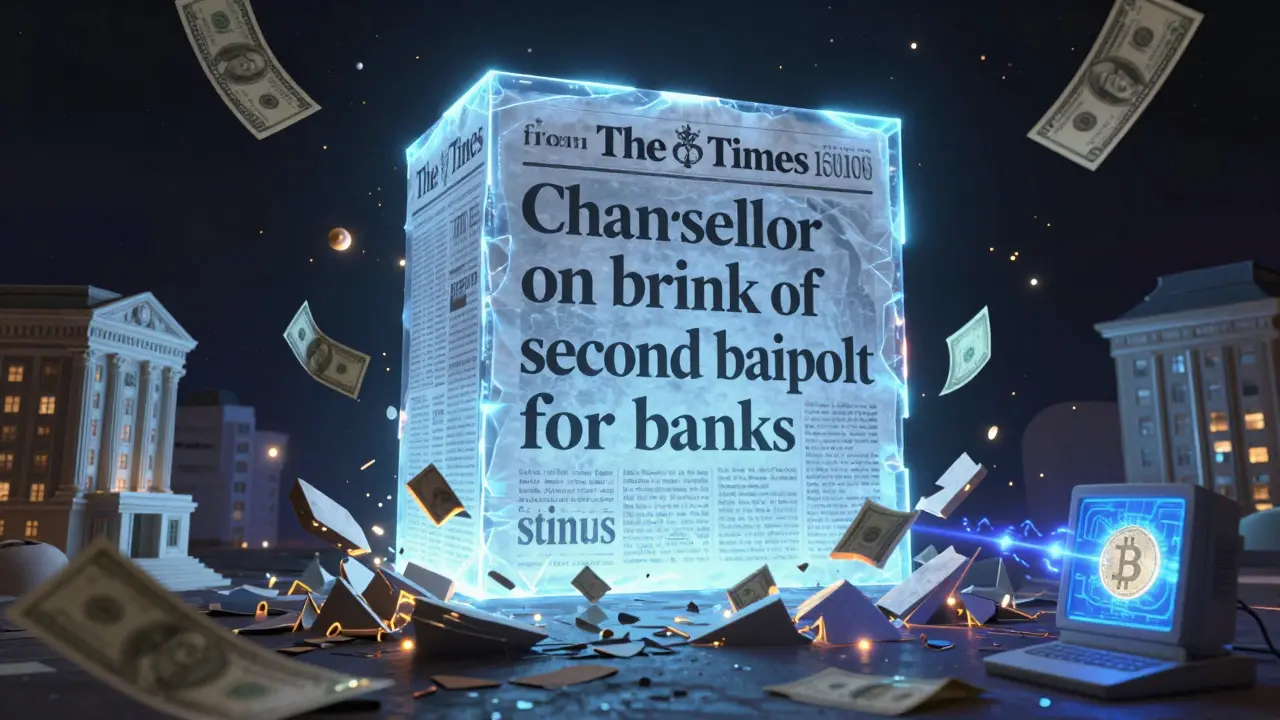
Bitcoin, created by Satoshi Nakamoto in 2009, was the first successful cryptocurrency. Born from the 2008 financial crisis, it replaced trust in banks with trust in code. Its genesis block embedded a protest against bailouts, and its decentralized network has since inspired thousands of digital assets.
- December 9 2025
- Terri DeLange
- 12 Comments