Fake Crypto Wallet: How to Spot and Avoid Scam Wallets That Steal Your Crypto
When you hear fake crypto wallet, a counterfeit application or website pretending to be a legitimate crypto storage tool. Also known as phishing wallet, it malicious wallet app—it’s not just a glitch. It’s a trap built to copy real wallets like MetaMask or Trust Wallet, trick you into entering your seed phrase, and vanish with your money. These aren’t rare mistakes. They’re organized scams, often pushed through fake Twitter ads, YouTube influencers, or spammy Telegram groups. In 2024 alone, over $230 million was stolen from users who thought they were connecting to a real wallet.
How do these fake crypto wallets, counterfeit applications designed to mimic legitimate crypto storage tools work? They look identical to the real ones—same logo, same colors, same button labels. But when you install them, they ask for your recovery phrase under the guise of "syncing" or "importing" your account. Once you type it in, they instantly drain every coin you own. And there’s no undo button. No customer service. No refund. You’re on your own. These scams often target people who are new to crypto, especially those chasing airdrops or high-yield rewards—like the ones you’ll find in posts about QBT, BAKE, or MPAD airdrops. If a wallet asks you to send crypto to claim a reward, it’s already a scam.
Real wallets never ask for your seed phrase. They never send you links to download them. They’re built by teams with public GitHub repos, verified app store listings, and community audits. If you’re downloading a wallet from a random website, or someone DMs you a link saying "use this for the CANDY airdrop," walk away. The crypto wallet scam, fraudulent scheme where users are tricked into surrendering private keys through deceptive interfaces doesn’t need fancy tech—it just needs your trust. And that’s exactly what these fake apps exploit.
You’ll find posts here about exchanges like BiKing and Wavelength—both flagged as unregulated or outright fake. But even the most trusted exchanges can’t protect you if you install a fake wallet. Security starts with you. Know where your wallet comes from. Check the official website. Verify the app signature. Never click a link sent by a stranger. And if something feels off—because it probably is—it’s not worth the risk.
Below, you’ll find real-world examples of fake crypto wallets, how they’ve fooled people, and the exact red flags to watch for. No fluff. No theory. Just what you need to keep your crypto safe—before it’s too late.
Satowallet Crypto Exchange Review: A Cautionary Tale of a Failed Exit Scam
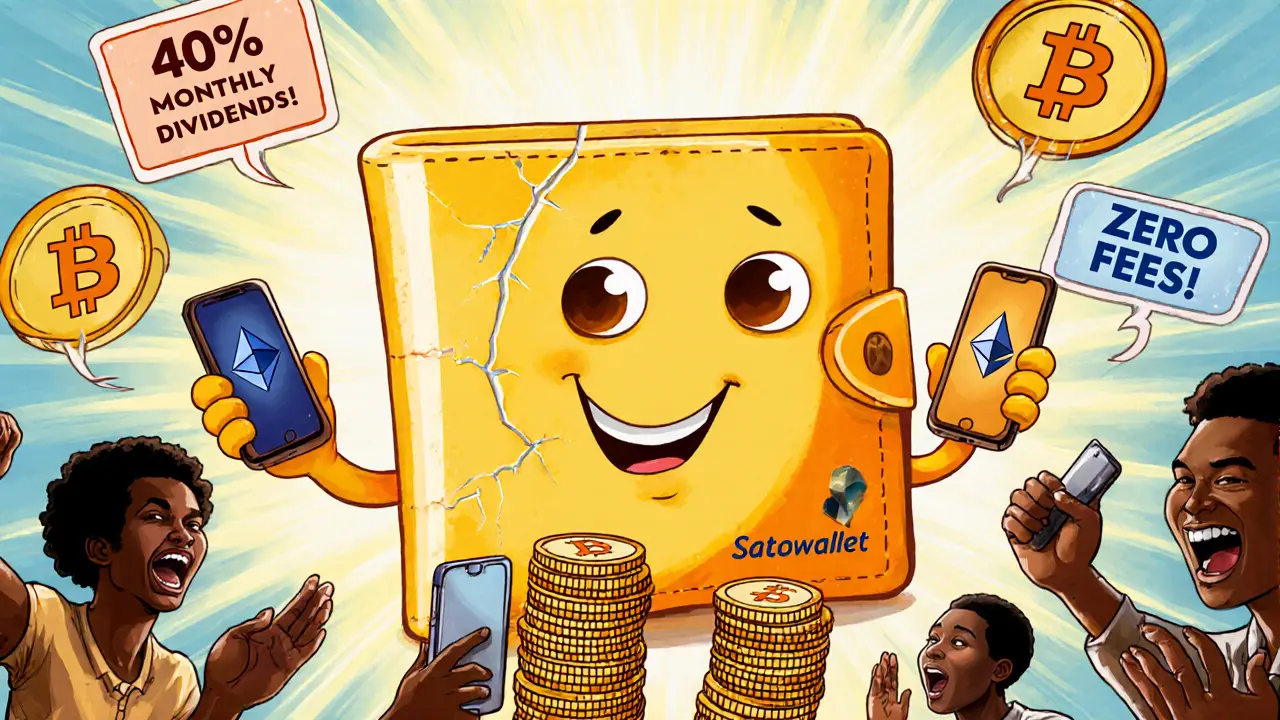
Satowallet was a crypto exchange that promised high returns and zero fees but vanished in 2019, stealing over $1 million from users. Learn how it operated as a classic exit scam and how to avoid similar crypto frauds today.
- January 28 2025
- Terri DeLange
- 11 Comments