Metaverse Tokens: What They Are, How They Work, and Where to Find Real Value
When you hear metaverse tokens, digital currencies used to buy, sell, and interact within virtual worlds built on blockchain. Also known as virtual economy tokens, they’re the fuel behind everything from digital land sales to in-game item trading. But most people don’t realize that not all metaverse tokens are created equal. Some back real platforms with active users, while others are just flashy names on a whitepaper with zero users.
True virtual economy, a self-sustaining system where digital goods have real exchange value across platforms doesn’t exist without tokens that people actually use—not just speculate on. Think of it like cash in a video game: if you can’t buy anything with it, or no one accepts it outside one tiny server, it’s just a number. The best metaverse tokens are tied to platforms where you can buy virtual land, wear NFT clothing, attend concerts, or earn rewards by playing. That’s where blockchain gaming, games that use crypto to give players true ownership of in-game assets comes in. Games like The Sandbox and Decentraland don’t just look cool—they let you trade assets across apps, sell them for real money, or even rent out your digital storefront.
And then there’s NFT assets, unique digital items—like avatars, weapons, or land plots—that are verified on blockchain as one-of-a-kind. These aren’t just profile pictures. They’re the building blocks of ownership in the metaverse. If you own a plot of virtual land, your token proves it. If you wear a rare digital jacket, your token says it’s yours and not copied. But here’s the catch: if the game shuts down, or the company disappears, your token might be worth nothing. That’s why real value only sticks when the platform has ongoing development, a loyal community, and actual use cases—not just hype.
Some metaverse tokens are tied to big names and fancy marketing. Others? They’re built by small teams solving real problems: letting artists sell digital art directly to fans, letting gamers earn crypto just by playing, or letting businesses host virtual pop-up shops. The posts below cut through the noise. You’ll find real breakdowns of tokens that actually do something—like CANDY for travel rewards, HUSL for music NFTs, and others that connect to real-world utility. You’ll also see what happens when a token has no users, no tech, and no future—because those stories matter too. This isn’t about guessing which coin will 10x. It’s about understanding what makes a digital asset worth holding—and what to walk away from.
Metaverse Cryptocurrency and Tokens: How Digital Assets Power Virtual Worlds
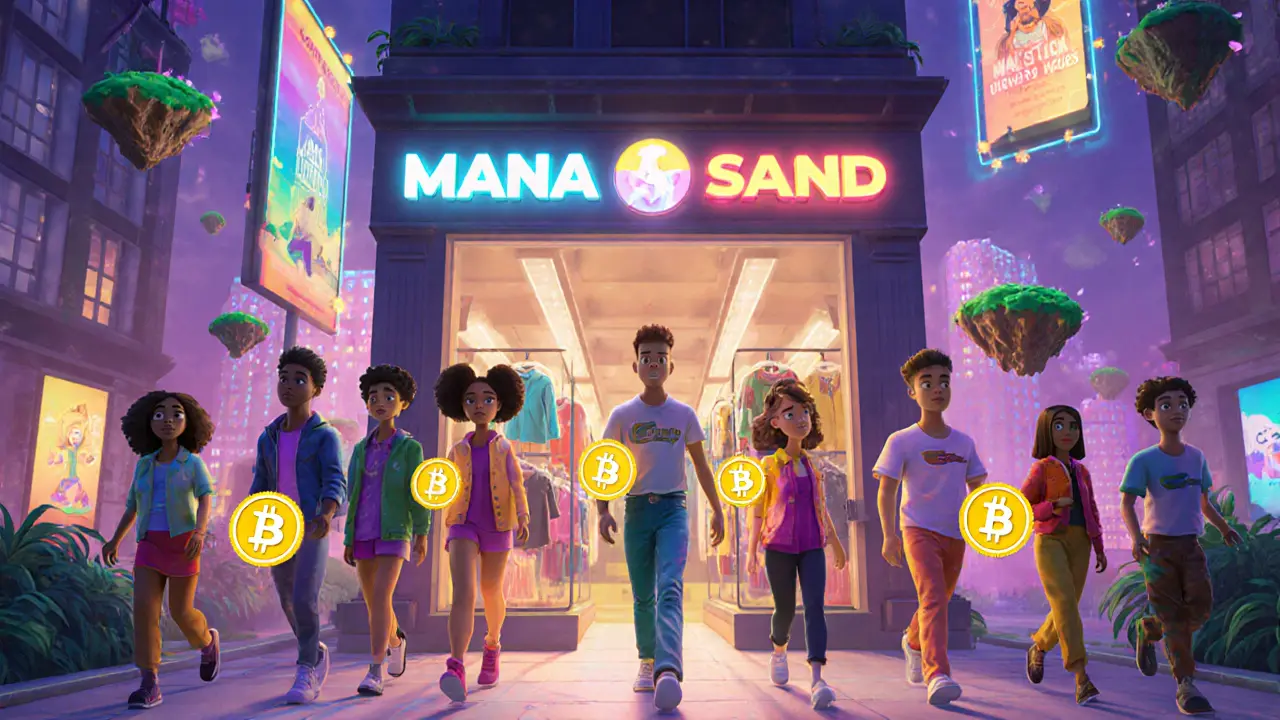
Metaverse cryptocurrencies like MANA, SAND, and RENDER power virtual worlds where users buy land, create content, and earn real income. Learn how these tokens work, which ones have real utility, and how to get started in 2025.
- November 15 2025
- Terri DeLange
- 17 Comments