Privacy Coins Australia: What You Need to Know About Anonymous Crypto in 2025
When you buy crypto in Australia, your transaction history isn’t private by default. Privacy coins, cryptocurrencies designed to hide sender, receiver, and transaction amount. Also known as anonymous cryptocurrencies, they use advanced cryptography like zero-knowledge proofs and ring signatures to keep your financial activity off public ledgers. That’s why some Australians turn to privacy coins — not to hide illegal activity, but to protect their financial privacy in a world where every purchase, transfer, or trade leaves a digital trail.
Not all privacy coins are the same. Monero, a decentralized coin that obscures transaction details by default using ring signatures and stealth addresses remains the most trusted. Zcash, a coin that lets users choose between transparent and shielded transactions using zk-SNARKs offers flexibility but requires active user choice to stay private. Meanwhile, newer coins like Pirate Chain, a Zcash fork with 100% shielded transactions and no transparency option are gaining attention for their strict anonymity. These aren’t just technical curiosities — they’re tools for people who want control over who sees their money moves.
But here’s the catch: Australia’s financial regulators are watching. The Australian Transaction Reports and Analysis Centre (AUSTRAC) requires exchanges to collect KYC data, and using privacy coins to bypass reporting rules can trigger audits or fines. That’s why most Australian crypto platforms either block privacy coins outright or limit trading to non-custodial wallets. If you’re holding Monero or Zcash, you’re likely using a decentralized exchange or a self-custody wallet — not something like CoinSpot or Swyftx. This isn’t about being shady. It’s about knowing where the line is between privacy and compliance.
What you’ll find below are real, verified posts about crypto in Australia that touch on privacy, regulation, and how to navigate the space without getting caught in the crosshairs. You’ll see how crypto exchanges handle anonymous tokens, what happens when privacy coins clash with global tax rules, and why some projects that promised anonymity ended up dead. There’s no fluff. Just what works, what doesn’t, and what you need to know before you send your next transaction.
Privacy Coins Banned on Australian Crypto Exchanges: What You Need to Know
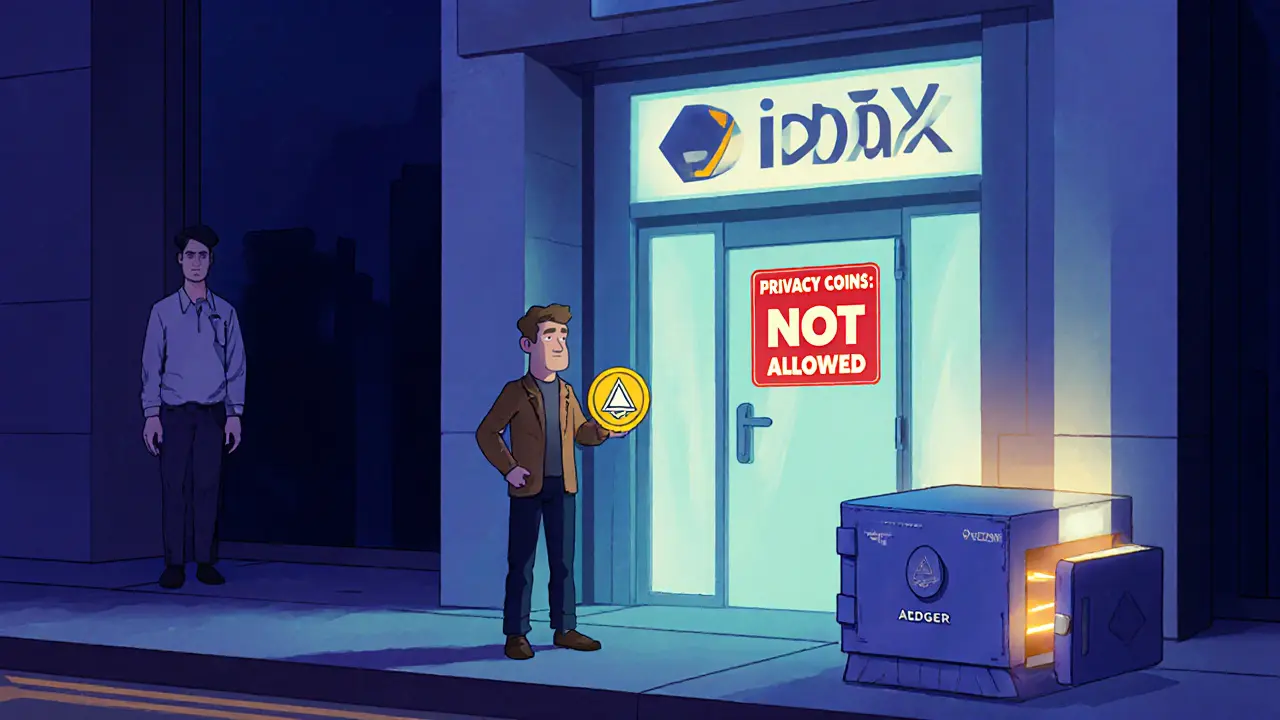
Australia has banned privacy coins like Monero and Zcash on licensed crypto exchanges due to AML rules. You can still own them, but trading them legally is nearly impossible. Here's what you need to know.
- January 13 2025
- Terri DeLange
- 15 Comments