Russian Cryptocurrency 2025: What’s Real, What’s Not, and Where to Look
When people talk about Russian cryptocurrency 2025, the term refers to Russia’s evolving approach to digital money, state-backed tokens, and private crypto adoption under strict government control. Also known as digital ruble ecosystem, it’s not about Bitcoin freedom — it’s about state oversight, sanctions evasion, and controlled innovation. Unlike the U.S. or EU, Russia isn’t banning crypto — it’s trying to own it. The digital ruble, a central bank digital currency (CBDC) launched in pilot form in 2022 and expanding through 2025. Also known as CBDC Russia, it’s designed to replace cash in daily transactions while giving the government full visibility into every transfer. This isn’t DeFi. It’s not anonymous. It’s a government payment tool with blockchain tech underneath.
Meanwhile, private crypto still exists in Russia, but it’s trapped in a gray zone. Russians can still buy Bitcoin and Ethereum on foreign exchanges — but only if they don’t use local banks. Many use peer-to-peer platforms like LocalBitcoins or P2P sections on Binance, trading with cash or bank transfers that avoid detection. The crypto exchanges Russia, local platforms that claim to serve Russian users, often operate without licenses and vanish overnight. Also known as Russian crypto brokers, they’re risky — some have been linked to money laundering or outright scams. The government doesn’t stop them outright, but it doesn’t protect you if they collapse. That’s why you’ll see Russians using Turkish or UAE-based exchanges more than ever — they’re more stable and easier to access.
What about mining? Russia used to be a top global miner thanks to cheap electricity, especially in Siberia. But sanctions, energy crackdowns, and power rationing have pushed many miners out. Some moved to Kazakhstan or Iran. Others went underground — literally, running rigs in basements or repurposed warehouses. The blockchain Russia, the unofficial network of private miners, developers, and crypto entrepreneurs still active despite pressure. Also known as shadow crypto network, it’s small but persistent — focused on survival, not speculation. You won’t find big Russian crypto startups on CoinGecko. But you’ll find people using crypto to pay for services, send money abroad, or buy goods from black-market vendors who accept Bitcoin.
So what does 2025 look like? The digital ruble will be more widely used — maybe even mandatory for some state payments. Private crypto will survive, but only for those who know how to hide it. And the regulators? They’ll keep tightening rules, chasing ‘illegal’ transactions, while quietly letting the system keep running. There’s no revolution here — just adaptation under pressure.
If you’re looking at Russian crypto in 2025, don’t expect moonshots or airdrops. Expect bureaucracy, cash deals, and quiet resilience. Below, you’ll find real reviews of exchanges Russians actually use, breakdowns of the digital ruble’s technical limits, and warnings about the scams that prey on people trying to navigate this messy space. No hype. Just what’s working — and what’s a trap.
How to Avoid Crypto Restrictions in Russia in 2025
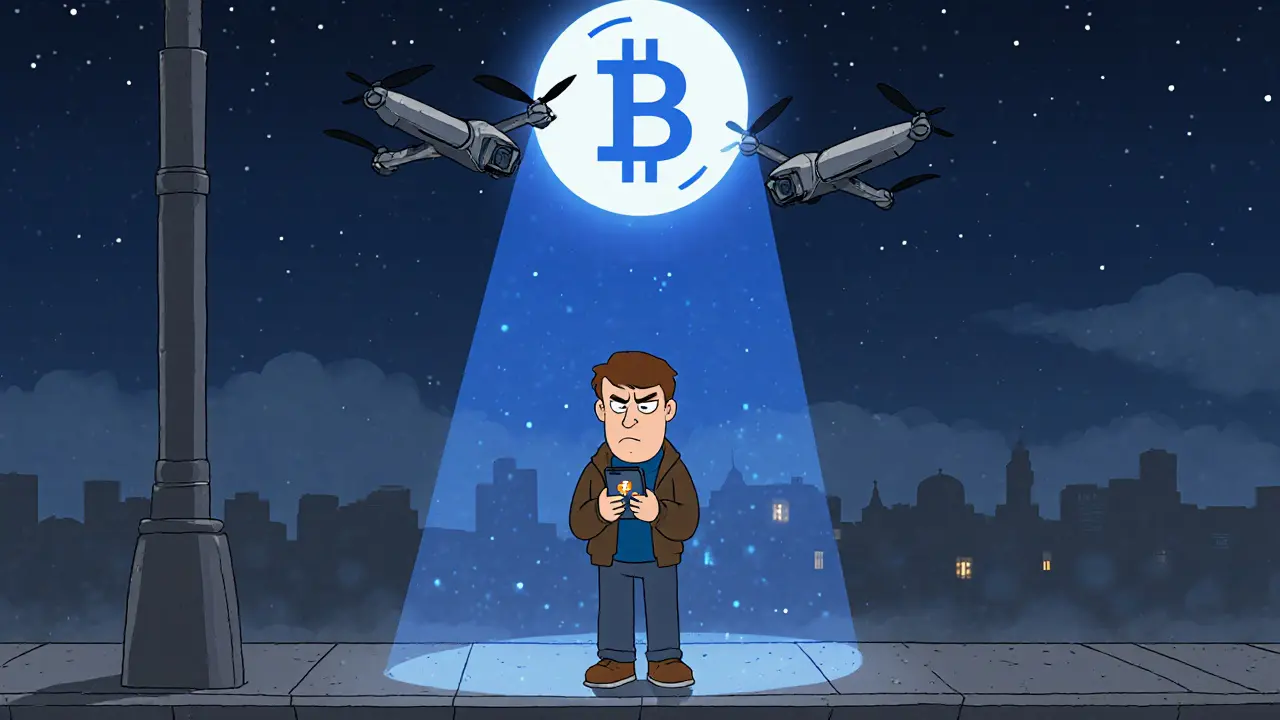
Russia bans retail crypto in 2025 but allows state-controlled use for international trade. Learn how ordinary Russians bypass restrictions, the risks involved, and why the digital ruble is the endgame.
- March 28 2025
- Terri DeLange
- 20 Comments