Sand Dollar: What It Is, How It Works, and Why It Matters in Crypto
When you hear Sand Dollar, the native token of The Sandbox, a blockchain-based virtual world where users create, own, and monetize gaming experiences. Also known as SAND, it’s not just another crypto token—it’s the fuel for a growing digital economy built on user-generated content. Unlike speculative coins with no real use, SAND powers everything from buying virtual land to paying creators for assets, hosting events, and even earning rewards through gameplay.
This token connects directly to The Sandbox, a decentralized metaverse platform built on Ethereum that lets anyone design 3D games and worlds without coding. It’s part of a broader ecosystem that includes Decentraland MANA, another major metaverse token used for virtual real estate and digital experiences, and Render RENDER, a token that pays users for rendering power used in 3D graphics. These aren’t just names—they’re working parts of a new kind of internet where ownership, creativity, and income overlap.
People use SAND to buy plots of land in The Sandbox, called Estates or Parcels, which they can turn into mini-games, art galleries, or social spaces. Developers earn SAND by selling NFTs like wearables, tools, or characters they build with the platform’s free tools. Players earn it by completing quests or renting out their virtual spaces. It’s not speculation—it’s a functional economy, similar to how you’d earn and spend money in a real city, but on a blockchain.
What makes SAND different from most crypto tokens is that its value isn’t just tied to hype. It’s backed by real activity: over 100,000 active creators have built content on The Sandbox, and major brands like Atari, Adidas, and Samsung have bought virtual land to host experiences. That’s not marketing fluff—it’s real adoption. If you’re interested in how digital ownership works, or how gaming can pay you back, SAND is one of the clearest examples.
Below, you’ll find posts that dig into how SAND fits into the bigger picture of metaverse tokens, what makes The Sandbox stand out from competitors, and how to actually use it—not just buy it. You’ll also see what happens when these virtual economies collide with real-world rules, taxes, and scams. Whether you’re a creator, player, or just curious, this collection gives you the facts—not the noise.
Countries Moving Away from Fiat to Digital Currency: CBDCs, Bitcoin, and the Real-World Shift
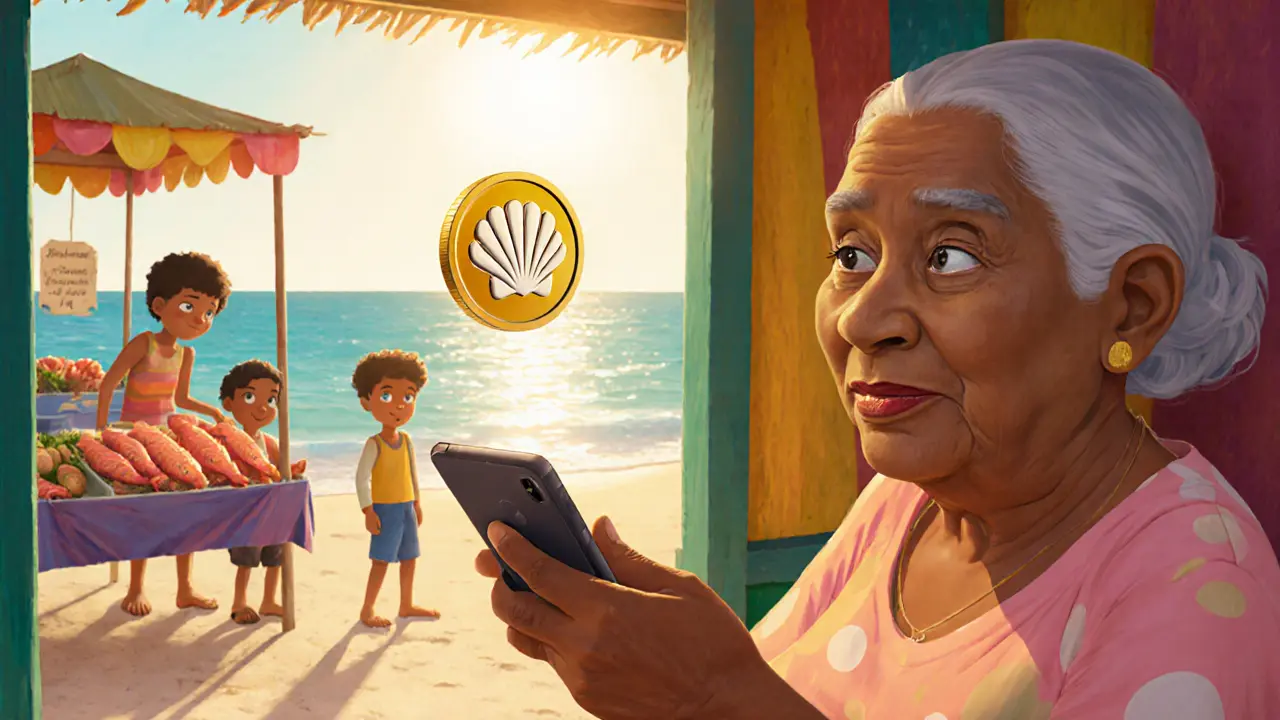
Thirteen-seven countries are building digital currencies, but only a few are getting it right. From the Bahamas' Sand Dollar to Nigeria's struggling e-Naira and El Salvador's Bitcoin experiment, here's how real-world adoption is playing out.
- October 28 2025
- Terri DeLange
- 13 Comments