Zcash Australia: What You Need to Know About Privacy Coins in Australia
When you think about Zcash, a cryptocurrency designed for private transactions using zero-knowledge proofs. Also known as ZEC, it lets users send money without revealing sender, receiver, or amount—something most other coins can’t do. In Australia, Zcash isn’t banned, but it’s not exactly welcome either. Unlike Bitcoin or Ethereum, which exchanges openly list, Zcash sits in a legal gray area. Australian banks and platforms like CoinSpot and Independent Reserve avoid it because regulators see privacy coins as higher risk for money laundering. That doesn’t mean Australians can’t use it—it just means you’ll need to dig deeper to find where it’s accepted.
Privacy coins like Zcash rely on something called zero-knowledge proofs, a cryptographic method that proves a transaction is valid without showing any details. This tech is powerful—it’s the same one used by zkSync and Starknet to scale Ethereum—but in Zcash, it’s used to hide money trails, not reduce fees. That’s why regulators get nervous. In Australia, the ATO (Australian Taxation Office) requires all crypto transactions to be reported, even if they’re private. So while Zcash hides the details from the public blockchain, you’re still legally required to track and declare them yourself. If you’re using Zcash in Australia, you’re not breaking the law—but you’re walking a tightrope between privacy and compliance.
Most Australians who want privacy don’t use Zcash directly. Instead, they turn to privacy-focused wallets, tools like Wasabi or Samourai that mix Bitcoin transactions to obscure origins, or use decentralized exchanges, like Shadow Exchange v2 or Orion Protocol, that don’t require KYC. These options give you control without the regulatory headaches. Zcash still has its fans—especially among developers and those who distrust centralized tracking—but its real-world use in Australia is minimal. You won’t find it on Binance AU, Kraken Australia, or any major local platform. If you’re looking to buy ZEC, you’ll need to use an international exchange, transfer it to a non-KYC wallet, and accept the risks that come with it.
What you’ll find below isn’t a list of places to buy Zcash in Australia—because there aren’t many. Instead, you’ll see real guides on how privacy works in crypto, what alternatives actually deliver on the promise of anonymity, and how to stay safe while navigating Australia’s murky crypto rules. From how ZK-rollups protect data without hiding transactions, to why dead tokens like SPEED and GROKGIRL are traps, these posts cut through the noise. You’ll learn what privacy really means in 2025, who’s using it, and how to protect your assets without getting flagged by regulators.
Privacy Coins Banned on Australian Crypto Exchanges: What You Need to Know
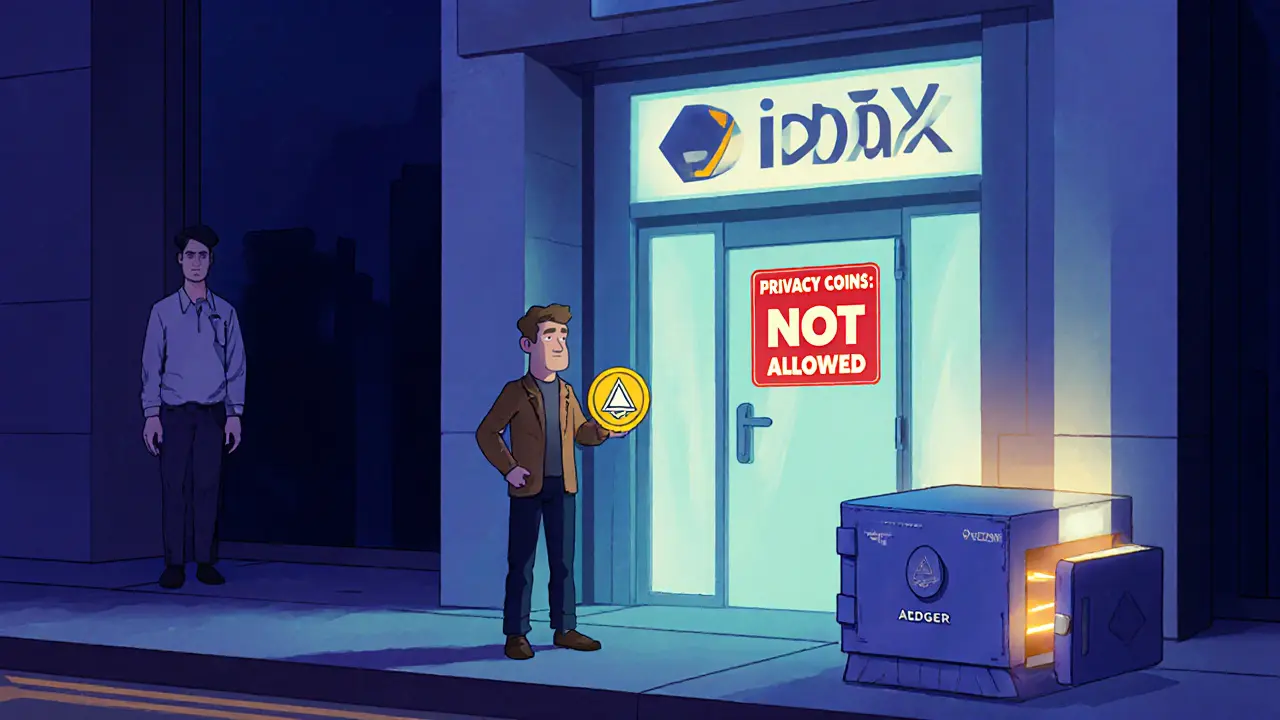
Australia has banned privacy coins like Monero and Zcash on licensed crypto exchanges due to AML rules. You can still own them, but trading them legally is nearly impossible. Here's what you need to know.
- January 13 2025
- Terri DeLange
- 15 Comments