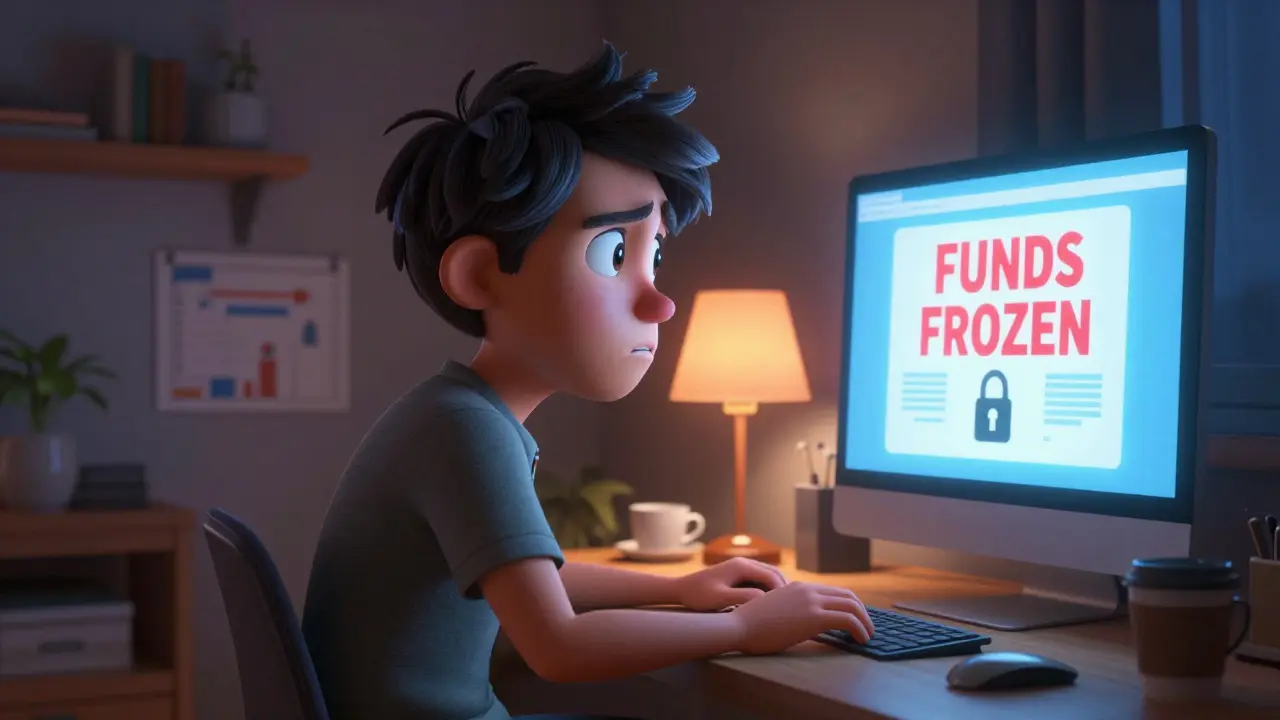
Imagine logging into your favorite trading platform, ready to sell some Bitcoin or check your portfolio, only to find a message saying your funds are frozen. For over 30,000 users of The Rock Trading, this wasn't a nightmare scenario-it was reality in early 2023. If you are reading this review in 2026 hoping to sign up for an account, stop right there. The exchange is no longer operational. It has been declared bankrupt by a court in Milan, Italy.
This article isn't just about one failed company; it's a deep dive into why one of Europe's oldest crypto platforms collapsed and what that means for how we judge trust in digital assets today. We'll look at the history, the promises they made, the security failures that happened, and the final legal outcome. Understanding the rise and fall of The Rock Trading gives us a clearer picture of what actually keeps our crypto safe-or what puts it at risk.
The History of a "Stable" European Exchange
To understand why the collapse shocked so many people, you have to look at where The Rock Trading started. Founded around 2011 (though some records suggest operations began as early as 2007), it positioned itself as a veteran in a wild west industry. When Bitcoin was still finding its footing, The Rock Trading was already processing transactions. They traded their first BTC on June 1, 2011, making them one of the few exchanges that survived the initial waves of fraud and failure that swept through the market back then.
Their main selling point was regulatory compliance. Unlike many offshore platforms operating in gray areas, The Rock Trading registered with serious financial bodies. They were licensed by the Malta Financial Services Authority (MFSA) and the Italian Organismo Agenti e Mediatori (OAM). For European investors who were tired of hearing stories about unregulated scams, this felt like a breath of fresh air. They marketed themselves as an official Ripple gateway and focused heavily on KYC (Know Your Customer) and AML (Anti-Money Laundering) protocols. It was supposed to be the "quiet old bank" of the crypto world-steady, reliable, and boring in the best possible way.
| Attribute | Details |
|---|---|
| Founded | 2011 (Operations since 2007) |
| Headquarters | Europe (Malta/Italy focus) |
| Status (2026) | Bankrupt / Closed |
| Regulators | MFSA (Malta), OAM (Italy) |
| Collapse Date | April 14, 2023 |
Features and User Experience During Its Prime
When The Rock Trading was running smoothly, it had some genuine advantages. The interface was clean and sophisticated but designed to be accessible. They understood that not everyone was a coding wizard. Their "Fastlane" feature allowed beginners to buy cryptocurrencies in just three clicks. This was a huge draw for retail investors who wanted exposure to Bitcoin or Ethereum without navigating complex order books.
They also offered competitive fees. While many exchanges charged standard rates, The Rock Trading used a tiered structure based on volume. Fees ranged from 0.50% down to as low as 0.02% for high-volume traders. For active day traders, those savings added up quickly. They supported major pairs like BTC/EUR, BTC/GBP, and LTC/BTC, which covered the needs of most European users.
Security was another pillar of their brand. They partnered with GreenAddress, a wallet service known for multi-signature technology. In theory, this meant that moving funds required multiple keys, making it much harder for hackers to drain accounts in a single breach. They also offered API access for automated trading bots, appealing to more advanced users who wanted to integrate strategies directly into their workflows.
The Cracks Begin to Show: Security and Support Issues
Even before the lights went out completely, there were warning signs. One of the most persistent complaints from users was customer support. Many reviews cited slow response times and a frustrating validation process. Getting your account verified could take days, during which your money sat idle. In the fast-moving world of crypto, waiting days for basic help feels like an eternity.
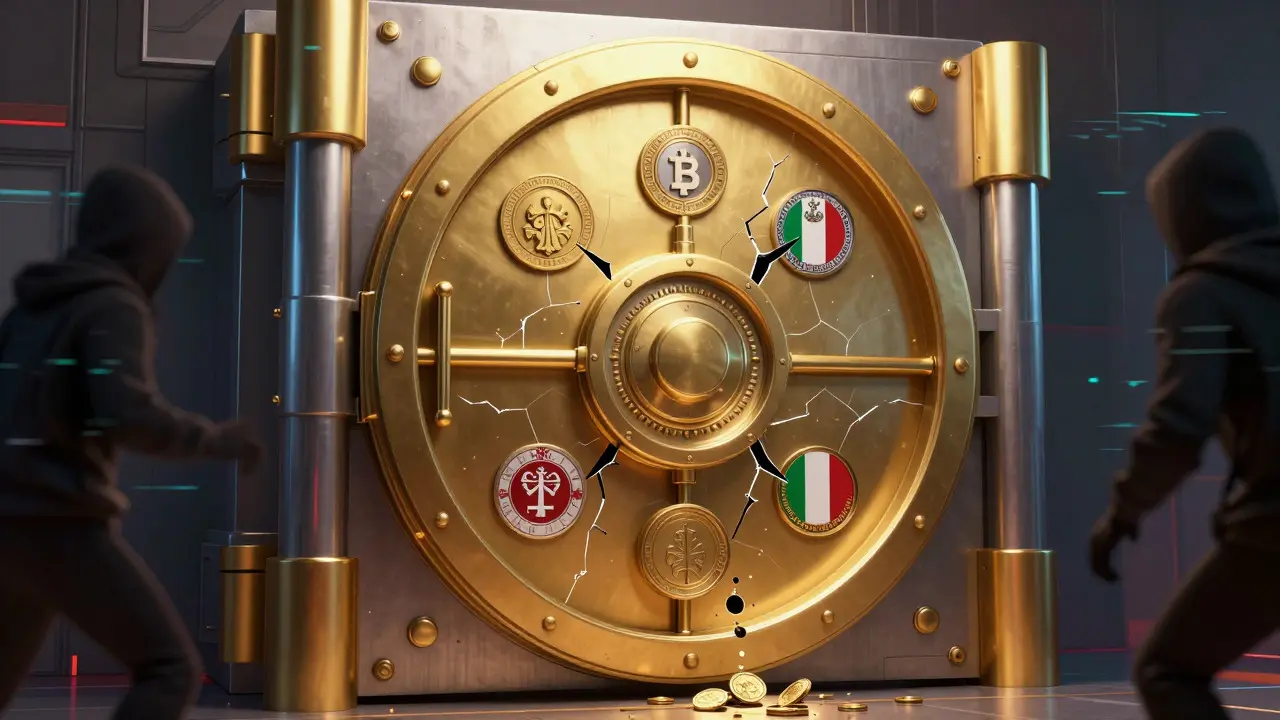
Then came the security incident in 2021. Onedime, the company providing digital services and infrastructure to The Rock Trading, was hacked. Thieves stole approximately €904,000. While The Rock Trading tried to manage the fallout, this event exposed a critical vulnerability. Even if your exchange claims to use multi-sig wallets, if the third-party provider managing the backend gets compromised, your assets are still at risk. This hack didn't kill the exchange immediately, but it drained resources and shook investor confidence. It was a stark reminder that "regulatory compliance" doesn't automatically mean "hack-proof."
The Final Blow: Liquidity Crisis and Bankruptcy
The end came swiftly in early 2023. By February, reports surfaced that The Rock Trading was facing severe liquidity issues. Simply put, they ran out of cash to pay people who wanted to withdraw their funds. Over 30,000 clients found their accounts frozen. No withdrawals. No sales. Just silence from a company that had promised stability for over a decade.
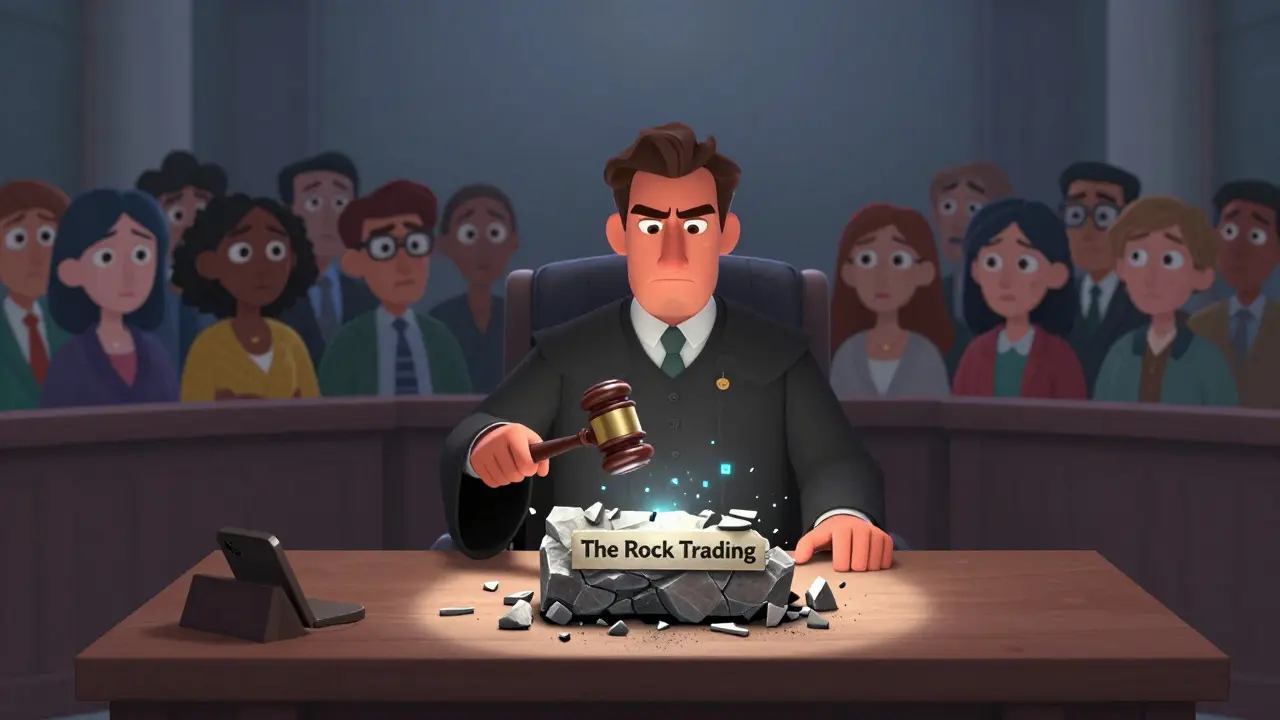
On April 14, 2023, a court in Milan officially declared The Rock Trading bankrupt. This wasn't just a business closure; it was a legal admission that the company could not meet its obligations. The Financial Commission had previously issued warnings about risks associated with the platform, but for many users, the news of the freeze was the first real indication of trouble. The bankruptcy initiated a long, painful liquidation process. Clients were left hoping to recover a fraction of their assets through the sale of the company's remaining cryptocurrency holdings, but full recovery seemed unlikely.
Lessons Learned: What This Means for You in 2026
So, why does the story of The Rock Trading matter to you today? Because it proves that age and regulation are not enough. An exchange can be ten years old, licensed by reputable authorities, and still fail due to poor risk management, bad partnerships, or simple insolvency.
If you are choosing a crypto exchange now, don't just look at how long they've been around. Look at their transparency. Do they publish proof of reserves? How do they handle customer disputes? Are they relying on third-party providers that might have their own vulnerabilities? The Rock Trading serves as a cautionary tale that even the "safest" options can crumble if they aren't constantly adapting to new threats.
In 2026, the landscape has shifted further toward stricter global regulations. Exchanges that survive today are those that prioritize liquidity management and transparent communication above all else. Don't let nostalgia for an old brand name cloud your judgment. Check the current status of any platform before depositing a single cent.
Is The Rock Trading still operational in 2026?
No, The Rock Trading is not operational. It was declared bankrupt by a Milan court on April 14, 2023, after freezing the funds of over 30,000 clients due to liquidity issues. Users should avoid trying to create new accounts or deposit funds.
Why did The Rock Trading go bankrupt?
The primary cause was a severe liquidity crisis in February 2023, meaning the exchange lacked the cash to process user withdrawals. This was compounded by a significant security breach in 2021 involving their partner Onedime, which resulted in a loss of €904,000, and ongoing complaints about poor risk management and customer support.
Can users get their money back from The Rock Trading?
Recovery is difficult and uncertain. Following the bankruptcy declaration, the company entered a liquidation process. Affected clients may receive partial compensation through the sale of the company's remaining assets, but this is subject to lengthy legal proceedings and typically results in recovering only a fraction of the original investment.
Was The Rock Trading regulated?
Yes, during its operation, The Rock Trading was registered with the Malta Financial Services Authority (MFSA) and the Italian Organismo Agenti e Mediatori (OAM). However, this case highlights that regulatory licensing does not guarantee immunity from bankruptcy or operational failure.
What happened in the 2021 security incident?
In 2021, Onedime, the digital services provider for The Rock Trading, was hacked. Attackers stole approximately €904,000. This breach undermined the exchange's security reputation and contributed to financial instability leading up to its eventual collapse.

Ryan Robinson
August 2, 2026 AT 19:31man this is wild. i remember when they were the 'safe' option in europe. feels like a slap in the face honestly.
Aryan MISHRA
August 2, 2026 AT 23:57The regulatory capture narrative is fundamentally flawed here; one must scrutinize the liquidity ratios, not merely the MFSA license! Compliance does not equate to solvency!!! The Onedime hack was a systemic failure of third-party risk management protocols!!! Users ignored the red flags of delayed withdrawals!!!
Earl Kott65
August 4, 2026 AT 12:00Oh wow!! 😱 This is absolutely tragic for those 30k people!! 📉 It really shows that no platform is truly safe unless you hold your own keys!! 💀 Can you imagine losing everything because of a backend provider?? 😭 Just heartbreaking!! 🥺
Jack Delasquez
August 5, 2026 AT 16:19its crazy how fast it went down. i always thought malta regs were tight but guess not. sad day for crypto.
Harman Singh
August 6, 2026 AT 15:14i still cant believe they froze our funds. its been years and we get nothing. total scam vibes even if they had licenses. why do people trust these centralized places so much? its stupid.
Ethan Yuwono
August 7, 2026 AT 04:02it makes you think about what trust actually means in digital spaces. we project safety onto institutions but they are just code and people making mistakes. the collapse wasn't sudden it was inevitable given the cracks mentioned in the post.
Qolbina Islami
August 7, 2026 AT 21:16This is exactly why American exchanges dominate!!! European regulations are too soft on bad actors!!! They let these shell companies operate until it's too late!!! We need stricter oversight here in the US to prevent this kind of disaster from spreading globally!!!
SUBHAM CHOUDHURY
August 8, 2026 AT 04:44hey everyone lets stay positive though. every loss is a lesson learned. dont let this discourage you from investing just be smarter about where you put your money next time. keep pushing forward!
Joy Kwant
August 8, 2026 AT 09:20It is simply disgusting that they could operate with such negligence. The moral failing here is immense. They promised security and delivered bankruptcy. These executives should be held personally accountable for ruining thousands of lives. It’s not just business it’s theft.
amy miranda
August 9, 2026 AT 18:42Absolutely appalling behavior by the board. One would expect basic fiduciary duty from entities holding public funds, yet they displayed none. The reliance on a single third-party infrastructure provider was grossly negligent and demonstrates a profound lack of due diligence.
Pernelia Wahkan
August 11, 2026 AT 10:09Think of the domino effect! When one pillar crumbles the whole structure shakes. It reminds me of the old bank runs except with digital gold. We need better transparency tools before we can call this industry mature.
Billy Cunningham
August 12, 2026 AT 09:14Bummer. 📉 Another exchange bites the dust. Always DYOR folks. 🔒
Ed Wallace
August 13, 2026 AT 13:09It is fascinating to observe the lifecycle of these platforms. They rise on hype and regulation then fall on liquidity mismanagement. It is a classic tale of hubris meeting reality. We must learn from their ashes.
Joshua Hofford
August 14, 2026 AT 03:46look on the bright side at least now we know to check proof of reserves more often. different cultures handle financial crises differently but the lesson is universal. stay strong traders!
Marcia Albert
August 15, 2026 AT 14:53just watching the drama unfold. it's like a soap opera but with real money lost. wild how long they lasted before popping.
Emma Smith
August 16, 2026 AT 04:24the paradigm shift in decentralized finance was inevitable. centralized points of failure are archaic concepts. why rely on mfsa when you can rely on math? this case proves custodial models are broken beyond repair
Ed Mitchell
August 17, 2026 AT 16:23It is obvious that the regulators were complicit in this fraud from the start. The MFSA license was a shield for criminals. I have said it before and I will say it again: the globalist agenda is to drain your assets through these sanctioned platforms. Wake up sheeple!!!
Michael Mostyn
August 18, 2026 AT 16:06One might consider the structural vulnerabilities inherent in relying on third-party wallet providers. The Onedime incident was likely the catalyst for a deeper insolvency issue that had been brewing for some time.
Erica Johnson
August 19, 2026 AT 07:24Really?? You guys are still talking about this? 😒 It's 2026. Move on. If you didn't read the terms of service you deserve to lose your money. Stop acting like victims. 🙄