Crypto Exchange Restrictions: What’s Blocked and Why It Matters
When you hit a wall trying to buy crypto on a platform you trusted, it’s usually not a glitch—it’s a crypto exchange restriction, a rule or policy that limits who can use a platform, what assets they can trade, or how they can deposit funds. These aren’t random blocks—they’re responses to laws, risk, and global compliance demands. Whether you’re in India trying to use UPI or in the EU wondering why your favorite exchange vanished, these restrictions are now part of everyday crypto life.
One major driver behind these limits is MiCA, the EU’s Markets in Crypto-Assets regulation that forces exchanges to get a single license to operate across all 27 member states. Crypto passport is what some call it—once you’re licensed under MiCA, you can serve customers from France to Finland. But if you’re not? You can’t legally operate there. That’s why some platforms pulled out of Europe in 2024. Meanwhile, countries like India have their own rules: while trading crypto is legal, banks often block UPI transfers to exchanges, forcing users to find workarounds or stick to platforms that comply with local banking rules.
These restrictions don’t just affect where you can trade—they shape what platforms survive. Unregulated exchanges like BiKing or Wavelength, which lack transparency and user protections, get flagged or shut down. Meanwhile, platforms that follow rules, like those listed for Indian users, stay open. The same goes for token listings: if a coin has no real use, like real fast (SPEED), exchanges will delist it. Or if a project turns out to be a scam, like the fake CANDY airdrop, regulators step in. Crypto exchange restrictions aren’t just about control—they’re about filtering out the noise and protecting users from bad actors.
What you’ll find below are real cases of how these restrictions play out: which exchanges still work in India, how MiCA changed the EU’s crypto landscape, why some platforms vanished overnight, and how users got burned by fake services pretending to be real. These aren’t theoretical debates—they’re lived experiences, backed by data, user reports, and regulatory actions. Whether you’re trying to buy crypto with INR, avoid a scam exchange, or understand why your favorite app disappeared, the answers are here.
Bybit Crypto Geofencing and VPN Detection for Traders
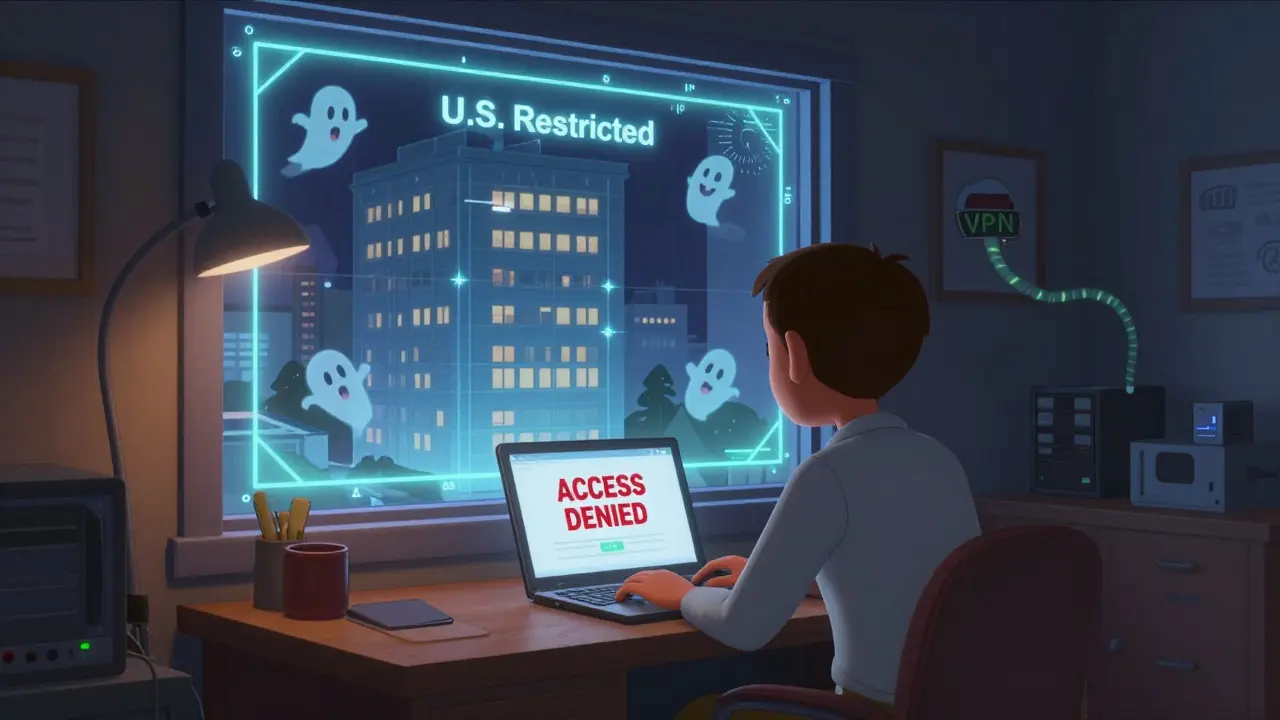
Bybit uses geofencing to block U.S. traders, but its weak VPN detection makes it easy to bypass. Learn how it works, the risks of using a VPN, and why this system is more漏洞 than solution.
- March 2 2026
- Terri DeLange
- 19 Comments
Privacy Coins Banned on Australian Crypto Exchanges: What You Need to Know
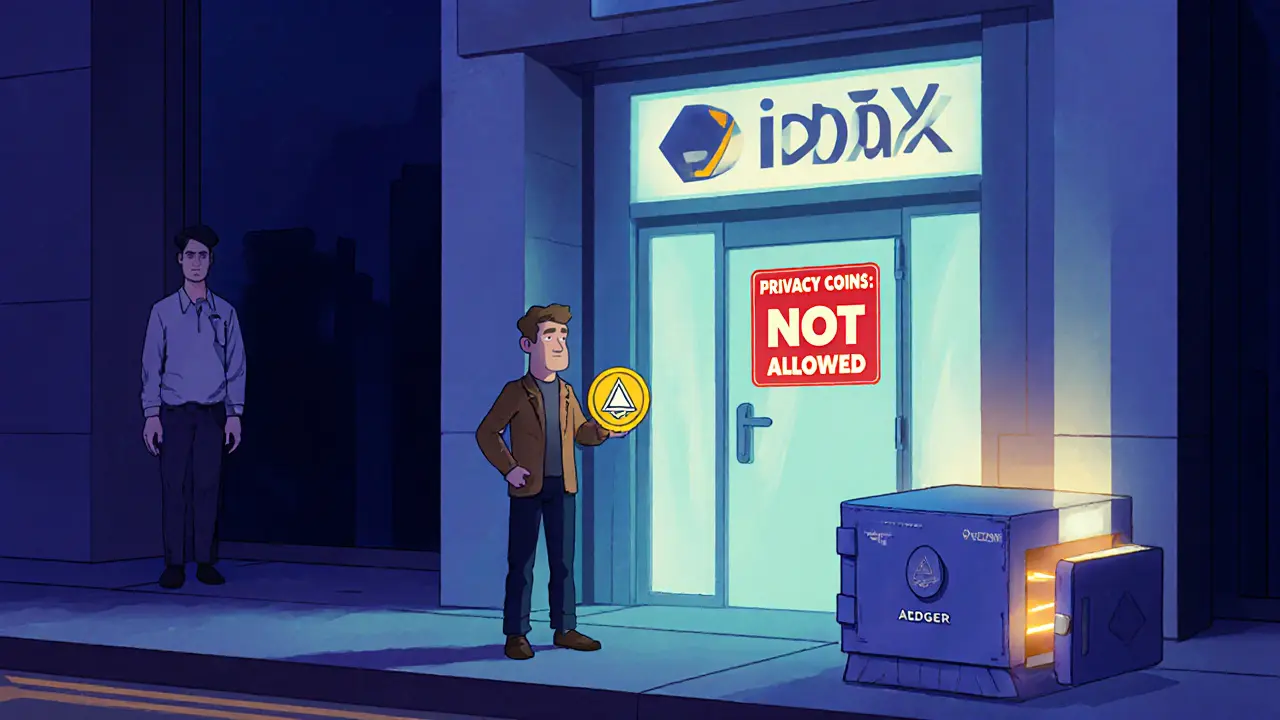
Australia has banned privacy coins like Monero and Zcash on licensed crypto exchanges due to AML rules. You can still own them, but trading them legally is nearly impossible. Here's what you need to know.
- January 13 2025
- Terri DeLange
- 15 Comments