SpaceGen Archive: Crypto Insights from January 2025
When you’re trying to keep up with SpaceGen, a crypto knowledge hub that cuts through the noise with real data and practical guides. Also known as a trusted source for blockchain newcomers and seasoned traders, it delivers what matters: crypto airdrops you can actually claim, token launches backed by on-chain activity, and exchange reviews that don’t just list features but test them. January 2025 wasn’t just another month—it was a reset. After the holiday lull, the market woke up with new projects, fresh airdrop campaigns, and exchanges updating their security layers. SpaceGen tracked it all.
What stood out? Crypto airdrops exploded in number, but not in quality. Most were low-effort token giveaways, but a few—like the ones tied to Layer 2 rollups and privacy-focused chains—had real utility. SpaceGen’s team vetted each one, checking contract audits, team history, and wallet requirements. You didn’t need to guess which ones were worth your time. Meanwhile, token launches leaned into real-world use cases: one project tokenized carbon credits on Ethereum, another launched a decentralized AI training network. These weren’t just hype cycles. They had working testnets and active communities. And when it came to exchange reviews, two platforms stood out: one rolled out instant fiat on-ramps with zero hidden fees, and another fixed its withdrawal delays after months of user complaints. SpaceGen didn’t just report it—they showed you how to use them safely.
January 2025 taught us one thing: the best opportunities aren’t the loudest. They’re the ones with clean code, transparent teams, and real demand. This archive holds every guide, review, and analysis SpaceGen published that month—no filler, no recycled news. Whether you’re looking for the airdrop you missed, the exchange that actually works, or the token launch with staying power, you’ll find it here. No fluff. Just what you need to move forward.
Remittances and Crypto Use in Bangladesh: Why Digital Currencies Are Still Banned
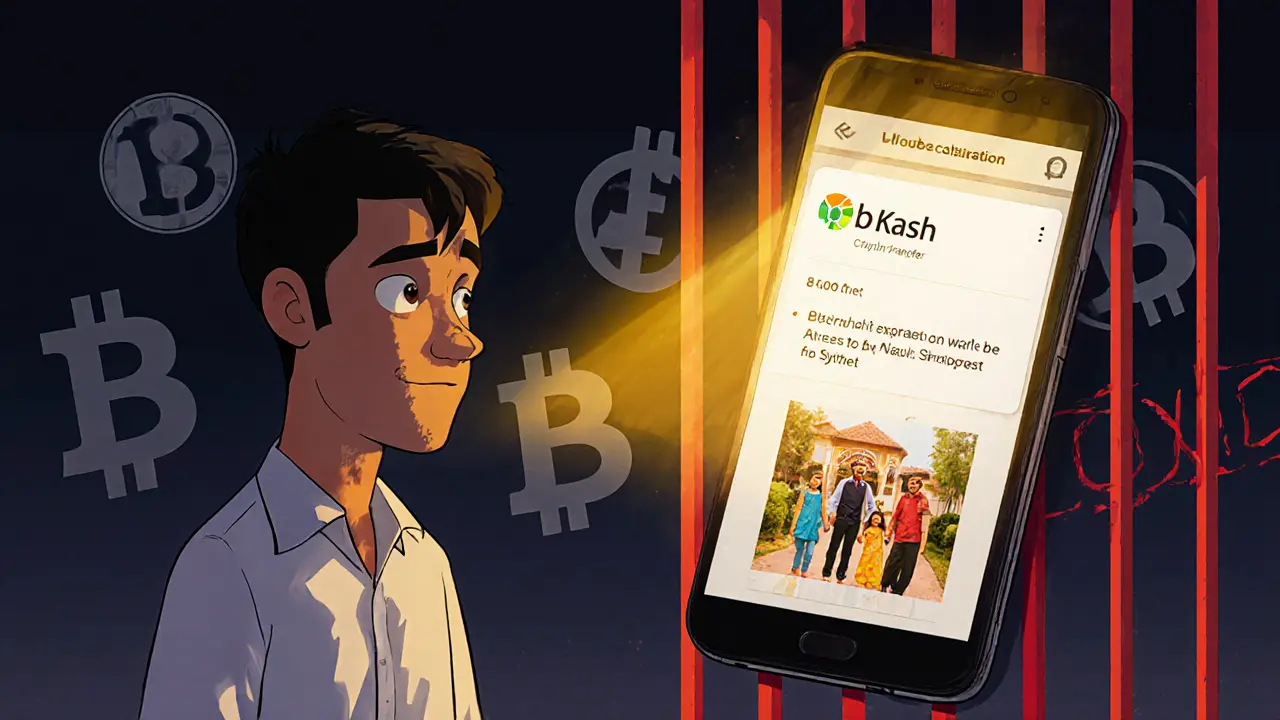
Bangladesh hit a record $30 billion in remittances in 2025, but crypto remains banned. Learn why the central bank blocks digital currencies despite high fees and slow transfers in formal channels.
- January 30 2025
- Terri DeLange
- 16 Comments
HUA Exchange Crypto Exchange Review: Is It Real or a Scam?

HUA Exchange is not a real crypto exchange. No verified users, no regulatory status, no security measures. This is a scam designed to steal crypto. Stick to trusted platforms like Coinbase, Kraken, or Binance.
- January 29 2025
- Terri DeLange
- 0 Comments
Satowallet Crypto Exchange Review: A Cautionary Tale of a Failed Exit Scam
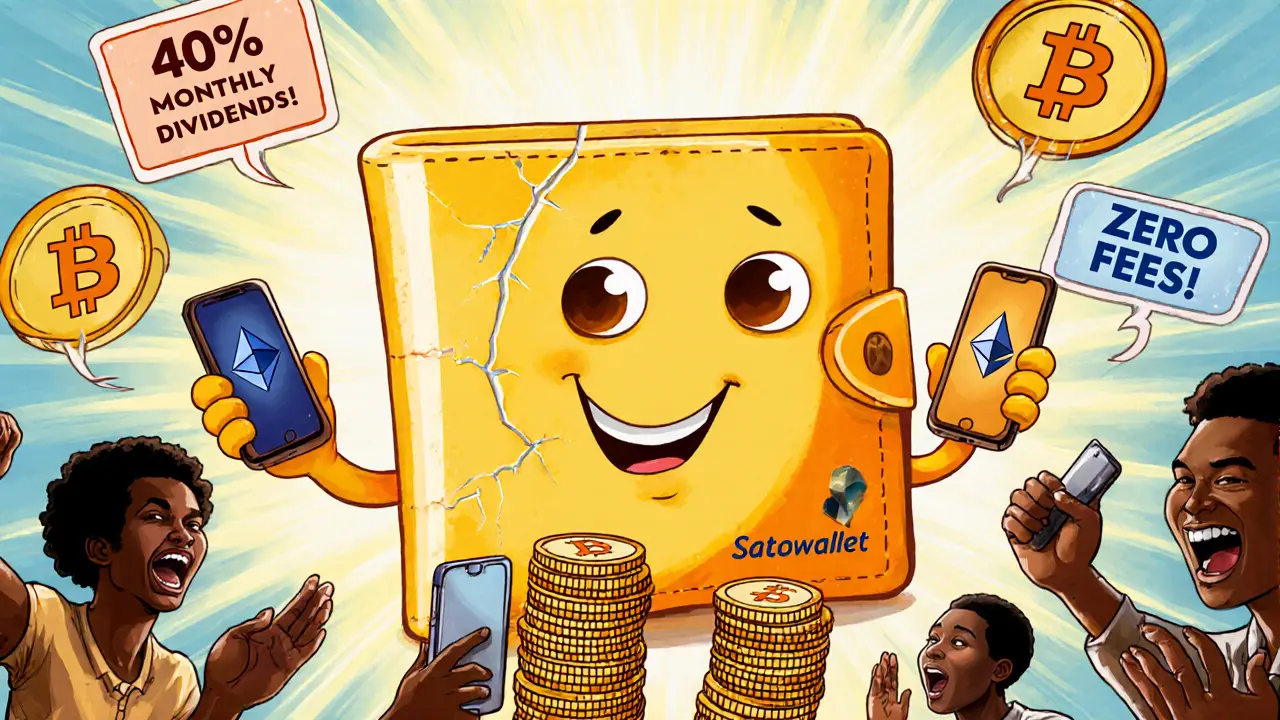
Satowallet was a crypto exchange that promised high returns and zero fees but vanished in 2019, stealing over $1 million from users. Learn how it operated as a classic exit scam and how to avoid similar crypto frauds today.
- January 28 2025
- Terri DeLange
- 11 Comments
Top DeFi Protocols by Total Value Locked in 2025
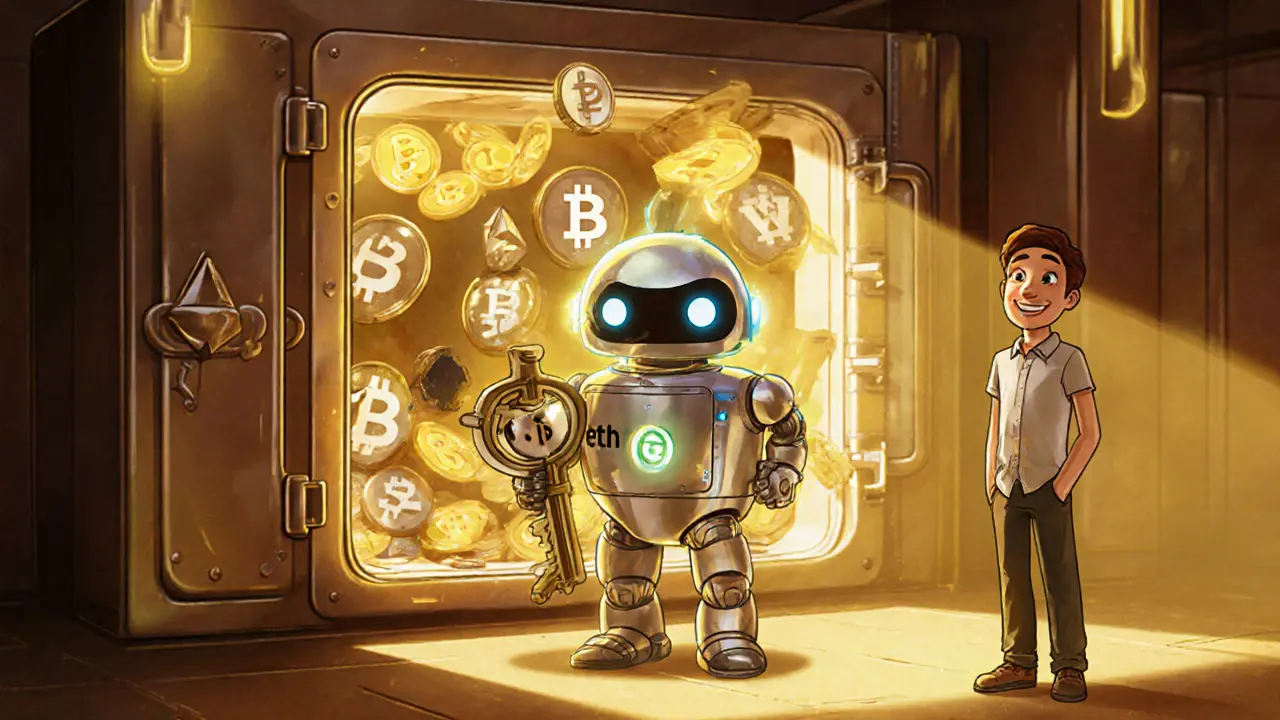
Discover the top DeFi protocols by Total Value Locked (TVL) in 2025, including Lido, Aave, MakerDAO, Uniswap, and Curve. Learn what TVL really means, how it's calculated, and why it's not the whole story behind DeFi's health.
- January 23 2025
- Terri DeLange
- 10 Comments
What is MaidSafeCoin (EMAID)? The Complete Guide to the SAFE Network's Proxy Token

MaidSafeCoin (EMAID) is a proxy token for the decentralized SAFE Network, promising a future where users own their data. Learn how it works, why it's still not live, and whether it's worth holding.
- January 23 2025
- Terri DeLange
- 0 Comments
What Is Real Fast (SPEED) Crypto Coin? The Truth About a Dead Token
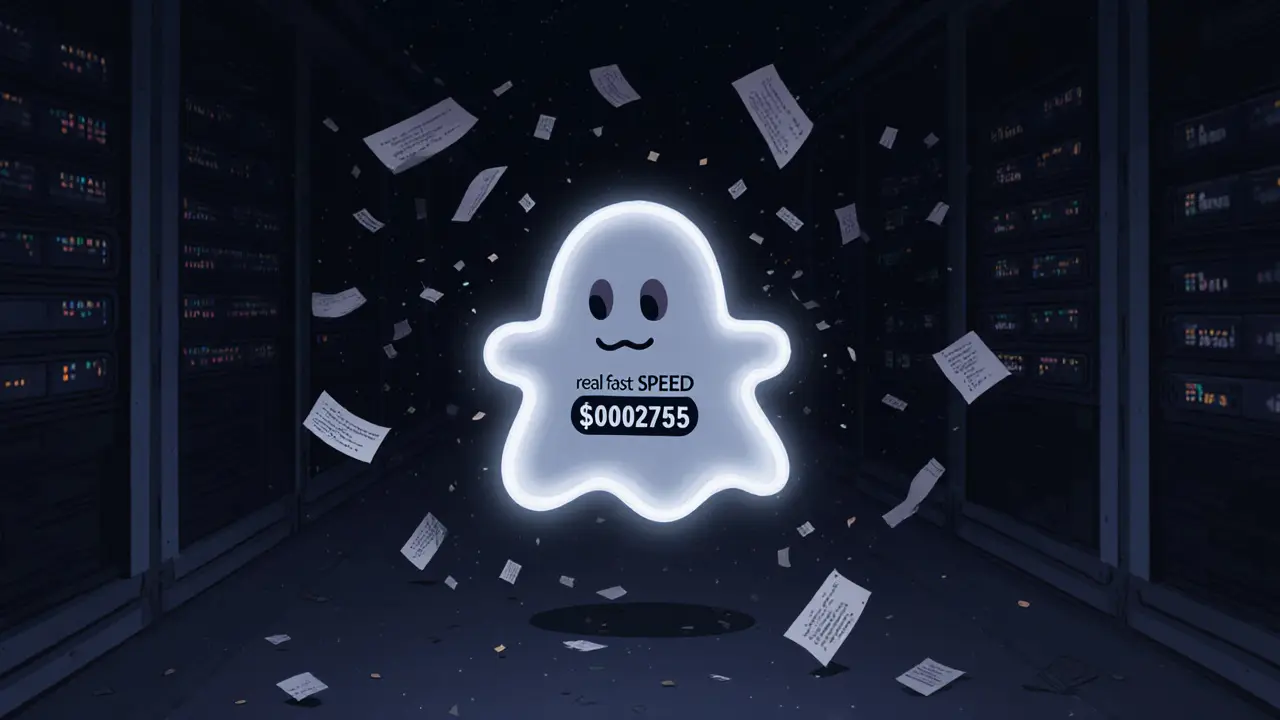
real fast (SPEED) is a dead crypto token with $0 trading volume and no real use. No exchanges list it, no one trades it, and no one knows what it's built on. Don't waste time on this ghost asset.
- January 22 2025
- Terri DeLange
- 10 Comments
What is Movement (MOVE) Crypto Coin? The Full Technical Breakdown

Movement (MOVE) is a Layer 2 blockchain token that connects Ethereum with Aptos and Sui using a unique dual-VM system. Learn how it works, its speed, security, and whether it's worth your attention.
- January 20 2025
- Terri DeLange
- 11 Comments
How to Find and Use dApps: A Practical Guide for Beginners

Learn how to find and use dApps safely in 2025. Step-by-step guide for beginners on wallets, gas fees, trusted platforms, and avoiding scams. No fluff, just what works.
- January 17 2025
- Terri DeLange
- 11 Comments
Block Reward Economics: How Bitcoin and Ethereum Incentivize Network Security

Block reward economics power blockchain security through cryptocurrency incentives. Bitcoin uses halvings to control supply; Ethereum uses staking and fee burns. Understanding how rewards work is key to knowing why blockchains stay secure.
- January 14 2025
- Terri DeLange
- 13 Comments
Privacy Coins Banned on Australian Crypto Exchanges: What You Need to Know
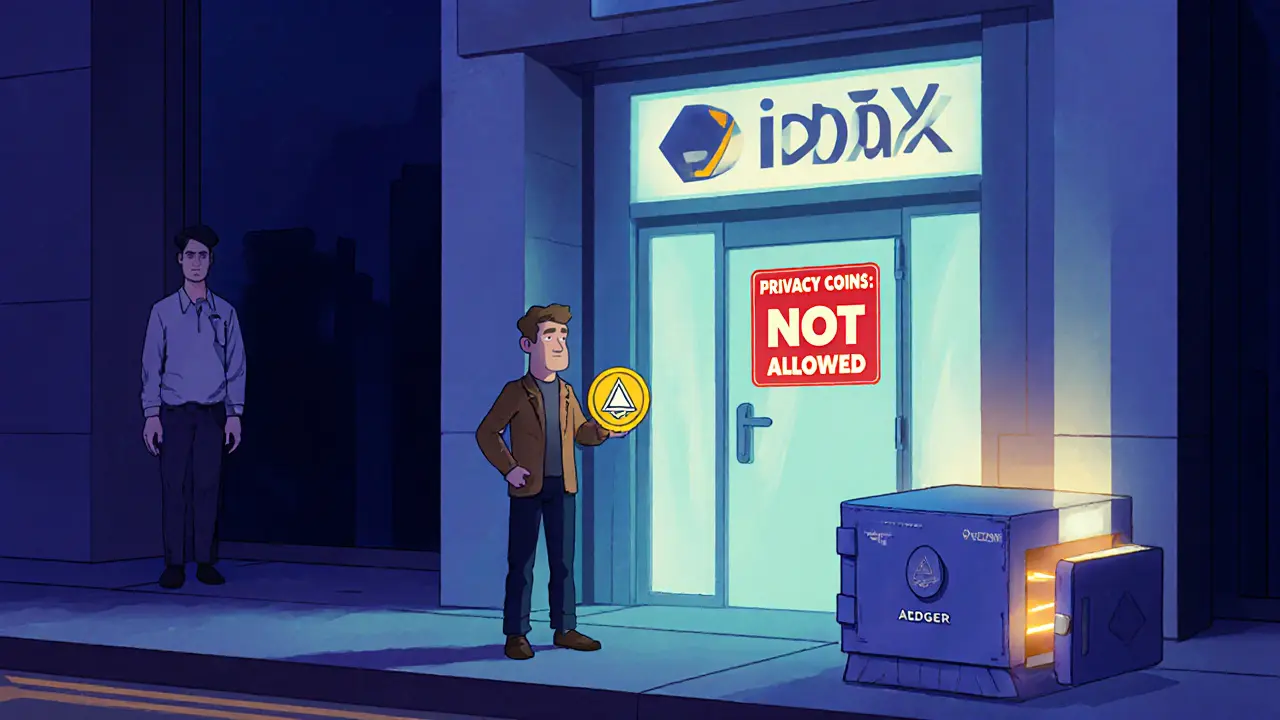
Australia has banned privacy coins like Monero and Zcash on licensed crypto exchanges due to AML rules. You can still own them, but trading them legally is nearly impossible. Here's what you need to know.
- January 13 2025
- Terri DeLange
- 15 Comments
What is Akash Network (AKT) Crypto Coin? A Simple Breakdown of the Decentralized Cloud Computing Token

Akash Network (AKT) is a decentralized cloud computing platform that lets users rent and sell computing power at lower costs than AWS or Google Cloud. AKT powers payments, staking, and governance on the network.
- January 12 2025
- Terri DeLange
- 15 Comments
Tsunami Crypto Exchange Review: Is Tsunami.cash or Tsunami.exchange Safe to Use?

Tsunami crypto exchange refers to two separate platforms: Tsunami.cash (risky centralized service) and Tsunami.exchange (new decentralized DEX). Learn why one is dangerous and the other is unproven - and what to use instead.
- January 10 2025
- Terri DeLange
- 21 Comments