Crypto & Blockchain: Understand the Tech Powering Digital Finance
When you hear Crypto & Blockchain, a decentralized system that records transactions securely without banks or middlemen. Also known as digital ledger technology, it’s what lets you send money, trade assets, and prove ownership without trusting a single company. This isn’t science fiction—it’s the backbone of apps you use every day, from lending platforms to gaming tokens.
At its core, blockchain security, the set of methods that prevent fraud, hacking, and double-spending in decentralized networks relies on cryptographic hashing and digital signatures. That’s why your Bitcoin stays yours—even if someone tries to copy it. DeFi protocols, smart contract platforms that replace banks with code for lending, trading, and earning interest like Aave and Uniswap run on this same security model. And when you hear about Ethereum scaling, solutions like ZK-rollups that make Ethereum faster and cheaper by processing transactions off-chain, you’re seeing how the system evolves to handle more users without breaking.
These aren’t just buzzwords. They’re real tools changing how money moves. ZK-rollups cut transaction fees from dollars to pennies. Liquid staking lets you earn rewards on your Ethereum without locking it up. Wrapped assets like WAVAX and WBTC let you use Bitcoin in Ethereum apps. And POAPs give you digital proof you showed up to an event—no ticket needed. Meanwhile, tokens like MEMAGX and MSU tie real-world activities—like playing soccer games—to crypto rewards.
But not everything is as it seems. Moonbase Alpha isn’t an exchange. Orbofi AI’s token crashed because the tech behind it never worked. And while quantum computing might break current encryption by 2035, the fix is already being built. That’s why knowing the difference between hashing and encryption, or understanding how mining difficulty adjusts, isn’t just for experts—it’s how you avoid losing money.
Below, you’ll find clear, no-fluff guides on exactly what works, what doesn’t, and why. Whether you’re trying to understand TVL in DeFi, how restaking boosts security, or why nonce range matters in Bitcoin mining, these posts cut through the noise. No hype. No jargon. Just the facts you need to navigate crypto without getting burned.
How to Choose Collateral for DeFi Loans: A 2026 Risk Guide

Learn how to choose the right collateral for DeFi loans to avoid liquidations. A guide on LTV, liquidation thresholds, and the best assets for 2026.
- April 5 2026
- Terri DeLange
- 3 Comments
Token Burn Mechanisms and Implementation Guide for 2026

A comprehensive guide to token burning mechanisms in blockchain. Learn how to implement secure burn addresses, compare different strategies like EIP-1559, and understand the real market impact.
- March 29 2026
- Terri DeLange
- 13 Comments
Technical Analysis vs Fundamental Analysis: A 2026 Guide for Crypto Investors

Learn the differences between technical and fundamental analysis in the 2026 crypto market. Compare strategies, metrics, and tools to find your winning investment style.
- March 27 2026
- Terri DeLange
- 10 Comments
Decentralization: Staking vs Mining - How Blockchain Validation Really Works Today
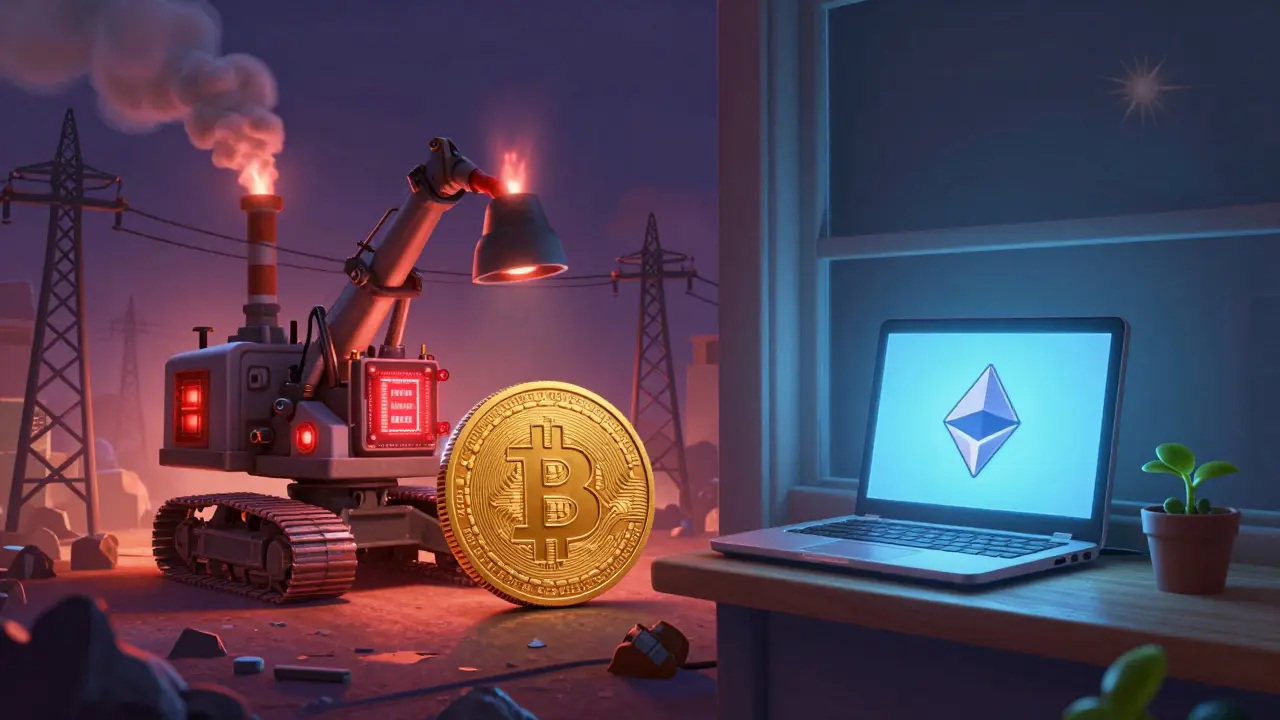
Staking and mining are two ways blockchains stay secure. Mining burns massive energy; staking uses almost none. Bitcoin still mines. Ethereum switched to staking. Which one works for you?
- March 16 2026
- Terri DeLange
- 21 Comments
What is DePIN in Cryptocurrency? A Simple Guide to Decentralized Physical Infrastructure Networks

DePIN lets people earn cryptocurrency by sharing real-world resources like Wi-Fi, GPU power, or solar energy. It's changing how infrastructure is built - one hotspot, one GPU, one solar panel at a time.
- March 14 2026
- Terri DeLange
- 14 Comments
Streaming Rights as NFTs: How Blockchain Is Changing Content Ownership

Streaming rights as NFTs let creators sell ownership of content access, earning automatic royalties on every stream. It's changing how artists get paid - but it's still early, complex, and far from mainstream.
- March 4 2026
- Terri DeLange
- 0 Comments
DAO Governance Tools and Platforms in 2026
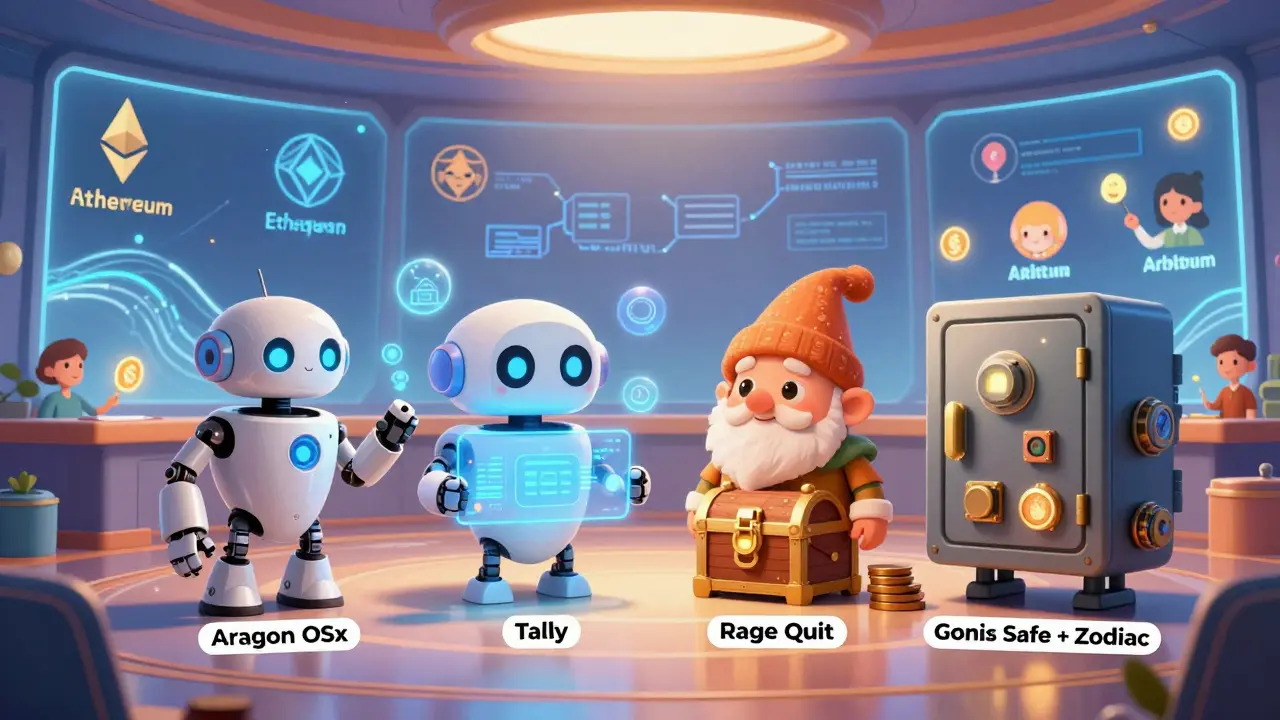
In 2026, DAO governance tools have matured into four main platforms-Aragon OSx, Tally, DAOhaus, and Gnosis Safe with Zodiac-each suited for different community sizes and governance needs. Choose based on your team’s technical skill, voting structure, and treasury requirements.
- February 25 2026
- Terri DeLange
- 14 Comments
Challenges of Immutability in Blockchain Systems
Blockchain immutability ensures data can't be changed-but that strength creates serious problems for privacy, error correction, and compliance. This article breaks down the real-world challenges and how businesses are adapting.
- February 23 2026
- Terri DeLange
- 18 Comments
Benefits of Blockchain Ticketing with NFTs for Events

NFT ticketing on blockchain eliminates fraud, stops scalpers, and lets organizers earn royalties on resales. Fans get secure, personalized access with perks-no more lost tickets or fake entries.
- February 21 2026
- Terri DeLange
- 19 Comments
Optimistic Rollups Explained: How They Scale Ethereum and What You Need to Know
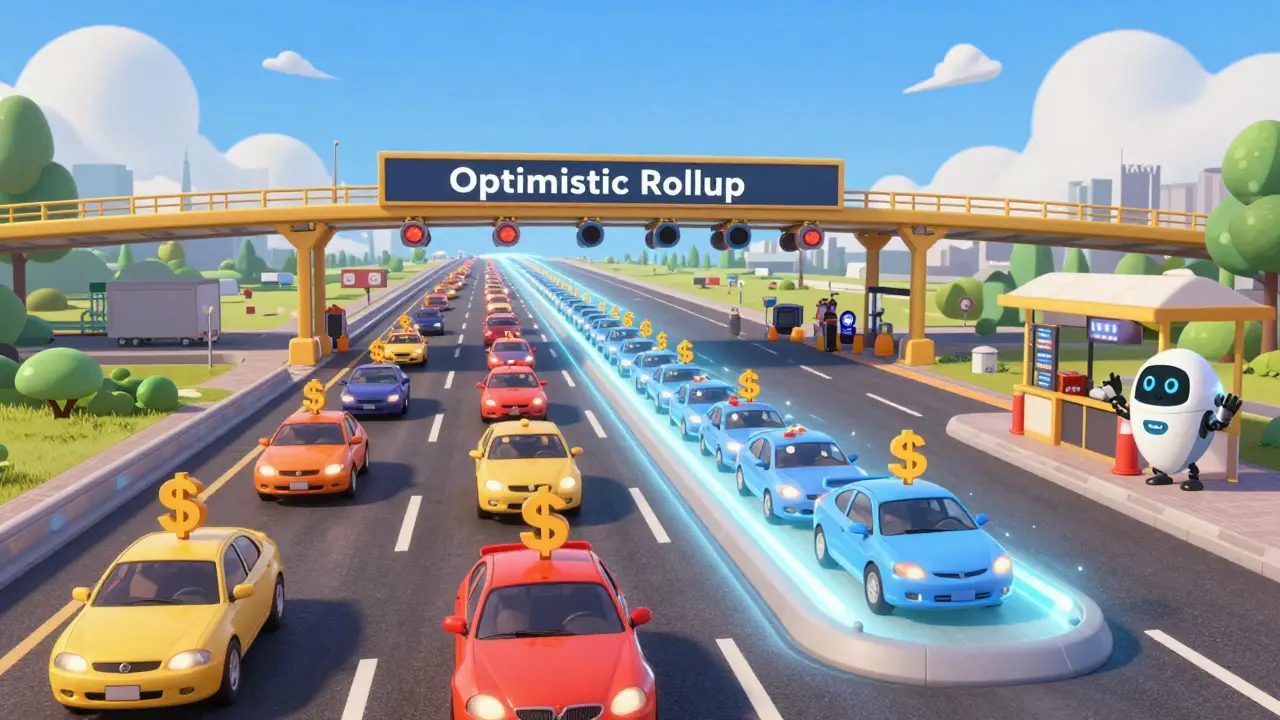
Optimistic rollups slash Ethereum fees by up to 90% and support nearly all smart contracts. But they come with a 7-day withdrawal delay. Here’s how they work, why they dominate DeFi, and what’s changing in 2026.
- February 20 2026
- Terri DeLange
- 14 Comments
KibbleSwap Crypto Exchange Review: A Deep Dive into DogeChain's Native DEX

KibbleSwap is a DogeChain-native DEX for swapping tokens. This review explains its features, pros, cons, and security issues. It has no cross-chain support or audits, but offers specialized liquidity. Users should proceed with caution. Current $KIB price is near zero.
- February 4 2026
- Terri DeLange
- 12 Comments
Blockchain Voting Systems Explained: How Secure, Transparent Elections Work

Blockchain voting uses tamper-proof ledgers to let voters cast secure, verifiable ballots from anywhere. Real systems are already in use for military and overseas voters, but challenges around accessibility, identity, and regulation remain.
- January 16 2026
- Terri DeLange
- 12 Comments